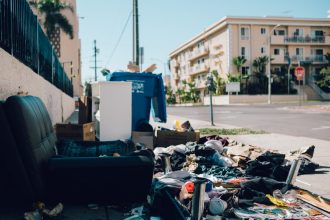
On a June morning in Echo Park, the air tasted like coffee and sawdust. A bright yellow dumpster idled on the curb, its metal sides warm from the sun. Neighbors paused on sidewalks to watch, like they were witnessing a small public theater: plywood piled inside, a busted sofa peeking out, and the occasional scrap of drywall clinging to a nail. By noon, a kid from down the street rode past and asked, “Why do we need those big metal boxes anyway?” That simple question pulled a whole neighborhood into a unexpected lesson about waste, city rules, and the kinds of decisions that reshape a home and a block.
Setup: The Project and the People
Marisa had moved into a Craftsman in Highland Park three years earlier. After months of planning, she finally scheduled a kitchen overhaul and a backyard cleanup. She reached for a dumpster company recommended by a friend in Pasadena and set the delivery for a Monday morning. The plan was straightforward: demo on Tuesday, load-through Thursday, pickup Friday. What she didn’t expect was how many conversations, cards, permits, and tiny crises would orbit that dumpster.
Across town, in Santa Monica, a boutique café owner named Alex watched his contractor place a smaller roll-off behind the store. In Long Beach, a landlord coordinated multiple dumpsters for a duplex renovation. In Hollywood, an artist used a dumpster as a staging ground for recycled sculpture materials. Each scenario had its own rhythm and its own rules—an overlapping map of municipal regulations, logistics, and neighborhood etiquette that shaped how trash became something else: an opportunity for reuse, a safety issue, or sometimes a neighborhood annoyance.
Rising Action: Permits, Timing, and the Fragile Dance of Delivery
The first hint of tension came three days before Marisa’s delivery: an email that said, “Street placement may require a permit.” She imagined a bureaucratic morass and immediately pictured the dumpster sitting illegally under her neighbor’s ficus tree with a ticket flapping like a bad omen. She called the company.
“Do I need a permit for a dumpster on the street?” she asked.
“It depends on the city,” answered Rafael, the dispatcher. “Los Angeles proper usually requires a right-of-way permit if it blocks parking or is on public property. Pasadena, Glendale, and Burbank have their own rules. For Santa Monica and Long Beach, you’ll need to contact their public works department. We can pull the permit for you, but it takes a little time.”
All at once, the timeline shifted. Marisa learned that Beverly Hills had stricter aesthetics and placement rules, while Inglewood’s process was often quicker for short-term rentals. Anaheim, outside LA County boundaries but still part of the greater metro bustle, required different documentation altogether. Even within one metro area, the invisible borders of jurisdictions demanded attention. When the delivery day arrived, Rafael’s driver navigated sun-drenched streets past the silver bluffs of Silver Lake, past palm-lined boulevards of Beverly Grove, and through the clogged arteries of downtown L.A., balancing a schedule that was part logistics, part diplomacy.
Key Insights: What Every Angeleno Should Know About Dumpster Removal
By the time Marisa’s crew started hauling plaster into the roll-off, there were practical lessons unfolding in the gutters and alleys of Los Angeles County. Here are the essentials she and her neighbors learned, woven into the narrative of that week.
1. Dumpster sizes and selection: Roll-offs come in common sizes—10, 15, 20, and 30 cubic yards. A small bathroom demo might fit in a 10-yard, while a whole-house gut could need a 30-yard. For narrow Venice streets or steep Glendale drives, smaller sizes or special placement may be necessary. Rafael recommended measuring the demo pile in wheelbarrows or truckloads to estimate volume and avoid overage fees.
2. Permits and street placement: If you place a dumpster on the public right-of-way—the street or sidewalk—you’ll likely need a permit. In Los Angeles, the Department of Public Works issues permits; Santa Monica Public Works requires barricades and flashing lights at night in high-traffic areas. Long Beach and Pasadena each have online portals for temporary street encumbrances. A permit typically lists dates, placement, insurance requirements, and whether you must post notices to neighbors.
3. Prohibited and hazardous materials: Tires, batteries, paints, solvents, asbestos, and certain electronics often can’t go into a standard roll-off. For hazardous waste, the Los Angeles County Department of Public Health and CalRecycle provide guidelines and designated drop-off sites. For example, if the demo uncovers old lead paint or asbestos, an abatement contractor must be called. Marisa ran into old tile mastic with suspected asbestos; the crew stopped and brought in a specialist. That interruption cost time, but it averted a dangerous mistake.
4. Recycling and donation options: LA’s green conscience matters. Debris mixed with concrete, wood, metal, and cardboard can often be sorted and diverted to recycling centers. Habitat for Humanity ReStore chapters and local thrift shops might take usable cabinetry or fixtures. In Long Beach, demolition material is frequently processed at transfer stations that recover aggregates. Donating or salvaging reduces landfill fees and cuts disposal costs—weighing environmental responsibility with budget.
5. Weight limits and overage fees: Dumpster rentals include a weight allowance. Load too heavy—say, by filling a 15-yard roll-off with compacted concrete—and expect extra charges. Rafael advised Marisa to split heavy materials into separate bins or make multiple small runs to minimize surcharges.
6. Driveway protection and neighbor relations: Placing a dumpster on a private driveway reduces permit hurdles but risks paint chips and cracked pavers. The crew laid down plywood and spoke with Marisa’s neighbor, an elderly man who loved his vintage Chevy. Communication, they discovered, prevented a damaged friendship. “If you warn people and leave a number, it’s 90% of the battle,” Rafael said.
Resolution: A Street, a Sculpture, and a Surprise
By the end of the week, the Echo Park dumpster had become part of the street’s choreography. Kids used the dumpster’s shadow as an impromptu soccer goal. A neighbor salvaged old barn wood for a bench. A local artist scavenged metal brackets and bolts for a sculpture displayed later at a community market. Marisa’s kitchen took shape; reclaimed cabinets were donated, and a contractor taught a teenager how to patch a wall. Even the elderly neighbor, Mr. Ortiz, came out and said with a smile, “You did it right. No dents, no fuss.””)
There was one more lesson tucked into that final pickup. On Friday morning, late sunlight lacquered the dumpster’s edge as the truck arrived. The driver handed Marisa a tip sheet: a city-by-city guide with links to Los Angeles Department of Public Works, Santa Monica Public Works, Long Beach Solid Waste, Pasadena’s permit portal, and CalRecycle. It read like a small map of civic resources that could make future projects smoother. Rafael’s final advice: “Plan for surprises. Know the rules where you put the container, and think about what you can divert before it hits the bin.”
Takeaway: What to Remember and Do
If you’re tackling a renovation or cleanup in the Greater Los Angeles Area, treat dumpster removal as more than a box you rent—it’s a project within your project. Here are the practical, memorable steps that will save you time and money:
– Assess volume and pick the right size: estimate in cubic yards or truckloads. Smaller dumpsters are better for tight streets in Hollywood, Beverly Hills, and Silver Lake; larger ones make sense for big demos in Inglewood or Torrance.
– Check city-specific permit rules: contact Los Angeles Department of Public Works, Santa Monica Public Works, Long Beach Solid Waste, or your city hall for Pasadena, Glendale, or Burbank. If on private property, confirm driveway protections.
– Separate hazardous materials: identify lead, asbestos, paints, and batteries early. Use county hazardous waste facilities in LA County or special drop-off events hosted by cities.
– Recycle and donate: divert wood, metal, concrete, and usable fixtures to transfer stations or nonprofit resale centers. It reduces landfill costs and can be good PR with neighbors.
– Communicate with neighbors: post notices, leave contact info, and protect driveways. Small gestures prevent big conflicts.
– Expect surprises: budget extra time and money for discoveries like hidden mold or old utilities.
When the dumpster left Echo Park, it was quieter on the block for a moment—just the sound of a neighbor sweeping and a dog barking down the street. But the week had left an imprint: a more open kitchen, a bench on a porch made from salvaged wood, and a rumor of a sculpture in the making. The dumpster, once a loud, alien presence, had become a pivot point for community action and practical learning.
That is the hidden promise of proper dumpster removal in Los Angeles: when you plan, permit, and process thoughtfully, a messy demolition becomes an organized exchange—waste becomes material, neighbors become collaborators, and the city’s patchwork of rules becomes a guidebook for better projects. In a city as wide and varied as Los Angeles, that lesson travels easily from Venice to Van Nuys, from Long Beach to the hills of Hollywood, carried on the rumble of a roll-off truck and the shared satisfaction of a clean curb at the end of the day.
Late that evening, Marisa stood on her stoop watching the skyline soften over the hills. The street smelled faintly of sawdust and eucalyptus. She thought of the dumpster, now gone, and felt a little like an alchemist: something rough and noisy had turned, through care and attention, into a finished room, a restored neighborly trust, and a small, unexpected sculpture ready for the market. The city moved on; the lights blinked on in nearby houses. For a week, a simple container had held stories, and now those stories were scattered into new things—benches, donations, rules learned—and a final image remained: a curb swept clean, the scent of rain on hot metal, and the distant hum of Los Angeles settling into night.