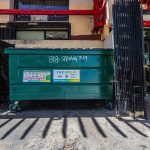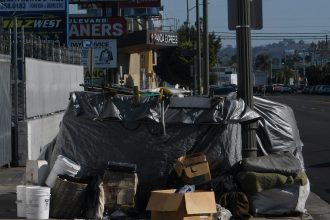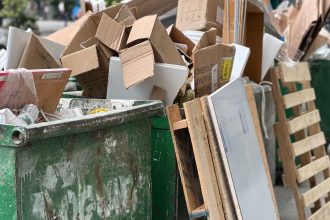
The first time Maria saw the pile in her driveway, she thought of a beached whale: a hulking, sun-bleached mountain of drywall, broken tiles, and a half-melted patio umbrella. The remodeling crew had left a trail of construction dust that dusted the succulents like powdered sugar. It was early June in Silver Lake; the jacarandas had already dropped their purple confetti on the sidewalk. Maria ran a hand over her forehead and laughed at how absurd it all looked—until her neighbor leaned over the fence and asked, ‘Are you going to do anything about that before the block party?’
Setting the Scene: A City of Projects
Greater Los Angeles is a mosaic of homes and projects: Spanish bungalows in Echo Park, mid-century remodels in Pasadena, townhouse renovations in Culver City, beachfront upgrades in Venice and Santa Monica. Every weekend, there are dumpsters lining residential streets and commercial lots, each one humming with the unsentimental bustle of cleanup. The rumble of a roll-off truck is as much a part of the city’s soundtrack as ice cream trucks and freeway traffic. Yet behind every rented container there’s a story—deadlines, permits, unexpected turns, and, if handled right, relief.
Pulling into the Action: Characters and Stakes
Maria called three companies. The first quoted a price that made her wince; the second wanted to drop a mammoth 40-yard box that would have swallowed her entire driveway; the third arrived in a battered F-150 with a driver who introduced himself as Jose and a helper named Kayla. Jose squinted at the mess, smelled the sawdust, and said, ‘This is fixable. We’ll take care of the heavy stuff, protect your driveway, and I can handle the permit if it needs to sit on the street.’ Maria let out a breath she hadn’t known she was holding.
‘Do you ever get surprised by what’s in there?’ she asked as Kayla clipped on orange cones and tape.
‘Every day,’ Jose said, with a grin. ‘Sometimes a bag of old photos. Sometimes a mattress someone forgot was soaked. Once in Burbank we pulled out a grandfather clock. Always something human.’ He wiped his hands on his jeans and added, ‘And in Santa Monica people worry a lot about the recycling rules. Long Beach folks call about concrete all the time. Each city has its little quirks.”
Rising Action: Deadlines, Permits, and the City Breathes
The looming block party turned Maria’s simple need into a full-blown timeline. She learned quickly that dumpster removal in Greater Los Angeles is not just about hauling trash away. It involves timing the delivery so the debris doesn’t block trash pick-up or the driveway, choosing the correct container size, and figuring out whether the box could sit on the street. Here the city’s role becomes personal: some municipalities allow same-day street placement with an online permit, others require a few days’ lead time and a posted notice.
On the phone Jose explained the options. ‘We can put a 15-yard container on your driveway if the apron is sturdy enough. If it needs to be on the curb, we can pull the permit in most towns—Los Angeles, Glendale, Pasadena—but spots like Santa Monica or Beverly Hills sometimes need more paperwork. Also, watch the holidays. No-one wants a permit held up because of a city holiday.’ Maria scribbled the notes in a journal that until last month had been reserved for recipes.
Key Insights Woven into the Story
As Jose’s crew worked, he dropped practical nuggets amid the clank and scrape. ‘Think of dumpster size like shirts: you wouldn’t wear a parka to a summer picnic. For kitchen remodels, a 10- or 15-yard container usually fits. For whole-house demos, 30 or 40 yards. Know the weight too—concrete, soil, and tile add pounds in a hurry and can drive up costs if you exceed weight limits.’
‘What about hazardous stuff?’ Maria asked, pointing at a battered can of paint on the porch.
‘We do not take hazardous materials,’ Kayla answered while she swept up tiny shards of porcelain. ‘No solvents, batteries, tires, or fluorescent bulbs. Those go to special facilities. The county holds household hazardous waste drop-offs; LA has periodic events and permanent centers. For reusable items, donate early. Goodwill, Salvation Army, Habitat ReStore—some will even do pickups.’
He also mentioned curbside concerns. ‘If the driver needs to block a lane, you need a street-use permit. The City of Los Angeles and most neighboring cities require permits when a dumpster interferes with pedestrian access or parking. It’s just a phone call or an online form in many places, but it’s better covered by the hauler so you don’t have to chase it.’
Show, Don’t Tell: Sensory Details and Small Scenes
By late afternoon the box sat like a geometric shadow in Maria’s driveway, its metal sides warm from the sun. The smell of fresh-cut wood mingled with the ocean breeze that threaded down from Venice—yes, you could sometimes smell the sea that far inland on a gust. A crow picked at a discarded cardboard box while a neighbor walked his greyhound, pausing to comment on the color of the sunset over the Hollywood Hills.
‘We used to do this job in the old neighborhood,’ Jose said, taking off his cap. ‘You see everything—joyful remodels, messy breakups, estates being cleared out.’ He looked at Maria with a softness that made her think of the plate of empanadas she’d baked for the crew. ‘At the end, people get their space back, and that’s always worth it.’
Practical Tips Sprinkled Through Dialogue
‘Before you sign,’ Jose advised, ‘ask about included weight, overtime fees, and what happens if you need the dumpster an extra day. Also ask how they protect driveways—plywood, boards, or special pads. In Torrance or Inglewood, where driveways slope differently, extra protection prevents gouges.’ Kayla chimed in, ‘And always ask where they’re taking the load. Some haulers take material directly to recycling centers or material recovery facilities; others go to transfer stations. If you’re aiming for greener disposal, ask for an itemized report.’
Maria repeated the terms quietly: weight, permits, protection, destination. They became anchors in the small storm of renovation stress.
Conflict and Resolution: The Unexpected Turn
The night before the party, Maria found a soggy box half-buried under debris: a stack of antique postcards—stiff and yellowed, hand-written greetings from relatives who had moved west decades before. She lifted them with the tenderness of someone opening an old wound and felt a rush of connection and grief. She could have tossed them in the dumpster and watched the waves of history disappear under the clang of metal. Instead she set them aside.
The next morning Jose noticed them while finishing the final sweep. ‘You found something valuable,’ he said, and for a moment the work slowed. Maria decided to take the stack, keep them in a shoebox, and later share them at the block party—stories of arrival, of the first bungalow on the street, of a city that pulled people in from everywhere.
Local Resources and Green Choices
As the crew loaded the final pieces, Jose gave Maria a short list: local recycling centers in Long Beach that accept construction debris, the Sunshine Canyon Landfill in Sylmar for certain loads, and the county’s hazardous waste calendar. He recommended donating gently used cabinetry or fixtures to Habitat ReStore programs in Pasadena and Glendale, and searching for metal recyclers in Vernon for scrap steel. ‘The greener option often costs less too,’ he said, ‘because you keep heavy materials out of landfills and sometimes get a small rebate for metal.’
He also mentioned city-specific tips: ‘Santa Monica prefers minimal curb clutter and enforces strict recycling; in Culver City you might need a different permit process for long-term placement; in Long Beach, concrete and asphalt might have separate tipping rules.’ Each city has its own rhythm, and experienced haulers know the steps to dance around bureaucratic missteps.
Resolution: The Last Haul and the Block Party
The day the truck left, the dumpster looked suddenly small—a box emptied of drama. Maria’s driveway, now swept and tidied, glittered with tiny fragments of tile that caught the late afternoon sun. The party was a success: neighbors sampled empanadas, a young man from Pasadena played guitar, and someone read aloud from Maria’s postcards, their voices rising and falling like the tides in Santa Monica the postcards had once mentioned.
‘Thank you,’ Maria said to Jose as he wiped his hands. ‘For the tips, the permit, and for the clock.’ He smiled, thinking of the Burbank clock that had once surprised him in a load.
‘It’s part of the job,’ he said, looking beyond her to the palm-fringed street where a trolley bell chimed in the distance. ‘We take things away so you can make room. For life. For parties. For new floors. For postcards.’ The truck backed up, the hydraulic hissed, and the sunset painted the city in long, generous strokes.
Takeaway: What to Remember Before You Call
If you’re staring at a mound of renovation detritus with the Hollywood Hills or the Pacific as your backdrop, remember a few essentials: choose the right size container (10 to 40 yards are common), clarify weight limits and fees, separate hazardous and recyclable materials, confirm whether the hauler pulls permits for street placement, and consider donation or reuse options first. Ask where your load will end up, and protect your driveway. Local knowledge matters—what works in Glendale may not be the exact same process in Santa Monica or Long Beach.
When Jose’s truck rounded the corner and disappeared into the warm Los Angeles light, Maria stood on her porch and watched the city exhale. The dumpster had been a brief intruder, a needed disruption that left behind something gentler: space to breathe, room to live, and a handful of postcards to remind her that every renovation is also a continuation of someone else’s story. The evening air carried a scent of salt and jasmine, and somewhere down the street a band tuned for the night. She folded the postcards carefully into her pocket and walked down to join the neighbors, carrying the small, human artifacts of the house into the bright wide-open of the block party.
Outside of the narrative, the lesson is simple: the right dumpster service does more than haul debris. It manages logistics, respects local rules, salvages the reusable, and returns the space to you—clean, safe, and ready for the next chapter.