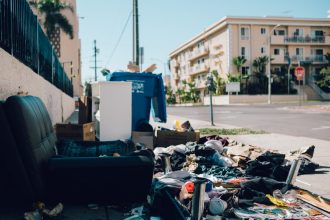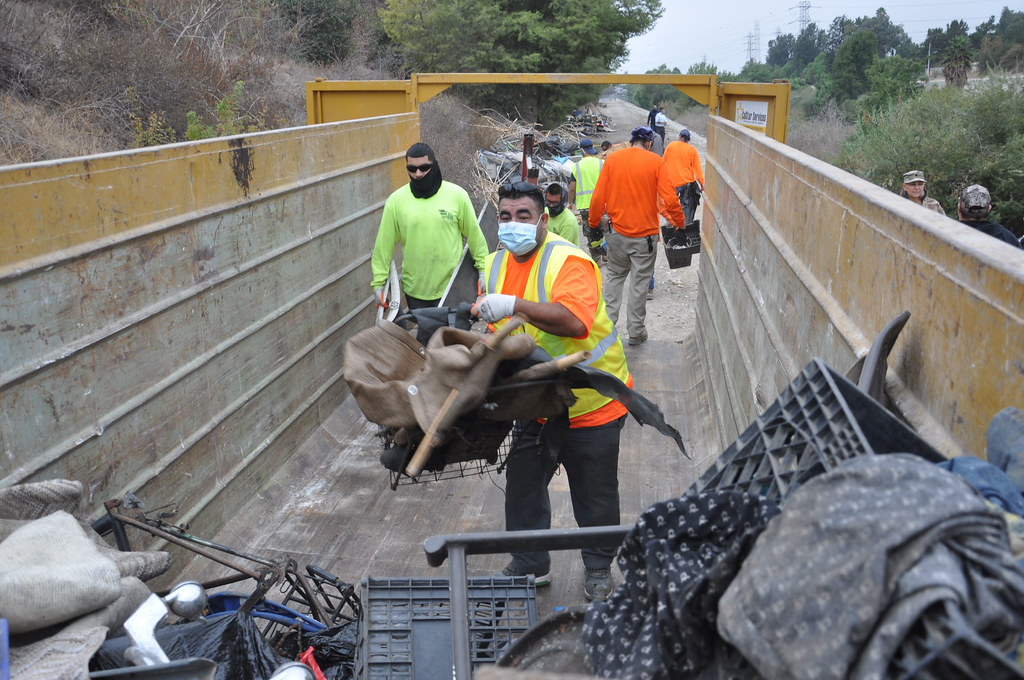
The first time I watched a roll-off dumpster arrive at a narrow Burbank alley, I thought of it as a hulking, mute beast — metal flanked by orange cones and a driver who seemed to know the city better than any GPS. By the end of that week, after watching the dumpster travel from a craftsman in Pasadena to a beachside rehab in Santa Monica and finally rest under the neon glow of downtown Los Angeles, I realized the dumpster was more than a container; it was the unsung hero of every overhaul and fresh start in this city of constant reinvention.
The Morning the Dumpster Rolled In
The air smelled like strong coffee and hot asphalt when Mia unlocked the gate to her small Highland Park bungalow. The street was still half-asleep. A hummingbird blinked in the jacaranda tree as a rumble announced the arrival. The dumpster driver — a careful man named Hector — guided the truck with the patient precision of someone who has navigated alleyways in Echo Park and loading zones in Downtown LA for decades.
‘You want it flush to the driveway, right?’ he asked. ‘Hard to back up once the crew starts stacking drywall.’ Mia laughed, brushing a wisp of hair from her face. ‘Yes, please. And careful of the sprinkler valve — it’s buried near the curb.’ The truck groaned, the metal bed clicked, and the dumpster settled, leaving a thin scent of diesel and hot metal that mingled with freshly cut pine and paint thinner.
Across the City: Characters and Context
In Long Beach, a small contractor named Jamal was squeezing a 20-yard dumpster between two palm trees and a beloved lowrider that had seen better days. In Beverly Hills, a landscape team worried about permits before placing a 30-yard next to pristine hedges. In Inglewood, an artist loft emptied decades of accumulated canvases into a 10-yard bin, each roll of canvas whispering memories of past shows.
These scenes are part of a larger tapestry. From the sandy bluffs of Santa Monica to the hillside streets of Glendale, from Torrance warehouses to the brick facades of Pasadena, dumpsters are the quiet protagonists of renovation, demolition, and community clean-ups. Each drop carries decisions: what to keep, what to toss, how fast the city moves, and who will be there to take the debris away.
Rising Action: When Problems Show Up
On day three, a tension crept in. The contractor in West Hollywood realized the dumpster already housed more than he had planned; tile, concrete chunks, and an old water heater had pushed the load toward the weight limit. ‘If we exceed this, it’s going to cost us,’ he muttered, eyes fixed on the bulging rim. On another street in Torrance, a homeowner called the city after a neighbor complained about the dumpster blocking the line of sight to a driveway. Permits became paperwork, and schedules shifted.
At a mid-city renovation, the crew discovered asbestos in an old plaster layer. Suddenly the dumpster’s role transformed from simple container to regulated receptacle. The discovery triggered a flurry of phone calls — to environmental consultants, to a specialized hazardous waste hauler, to the homeowner who stood frozen, feeling the old house become newer and more complicated than she had imagined.
Dumpster 101: Sizes, Permits, and Practicalities
Here are the lessons that unfold naturally when you follow dumpsters around Los Angeles:
– Sizes matter: Dumpsters commonly come in 10, 20, 30, and 40-yard sizes. A small attic clean-out fits a 10-yard; a kitchen remodel often needs a 20 or 30. Commercial demolitions and larger construction projects typically require 40-yard containers.
– Permits and placement: In many neighborhoods — especially parts of Beverly Hills, Santa Monica, and certain streets in West Hollywood and Pasadena — placing a dumpster on the street requires a permit from the city. Driveway placement usually avoids this, but narrow alleys and HOA rules can complicate things.
– Weight limits and materials: Dumpsters have weight caps. In Long Beach and LA County, the fines for overloading or including prohibited items — like batteries, paints, certain appliances, tires, and asbestos-containing materials — are real and steep. Separating recyclable wood, metal, and concrete can reduce costs.
– Types of services: Roll-off dumpsters are common for demolition. Haulers also offer same-day drop-off, staged pickups, and flexible rental windows. Junk removal companies can handle interior hauling and provide full-service clean-up for those who prefer not to lift a finger.
Green Disposal: Rules, Recycling, and Responsible Choices
Los Angeles is moving toward greener waste practices. ‘We try to divert as much as possible,’ Hector told me as he wiped his hands on a rag after a busy morning in Glendale. ‘Cardboard, metals, clean wood — those go to recycling yards. Concrete and asphalt often get crushed and reused. But you need to sort; otherwise, everything ends up in the same pile.’ The city and county encourage construction and demolition recycling; some projects even require a waste management plan before permits will be approved.
For homeowners and contractors, the practical move is simple: plan. Label bins for recyclables, keep hazardous items separate, and ask your hauler where materials will be processed. Many services in Greater Los Angeles partner with recycling centers in El Segundo, Vernon, and Long Beach that accept and repurpose materials into new products.
Human Moments: Voices from the Streets
‘We had a family who used the dumpster to get rid of a lifetime of stuff after their mother passed,’ Jamal said, pausing. ‘They stood there, letting go, and then we drove it away. That was the hardest and the best thing.’ The artist in Inglewood, whose canvases had been worryingly stacked in the dumpster, later recovered some works he’d thought ruined; salvage crews had gently extracted what could be saved.
At a Santa Monica renovation, the ocean breeze brought a sudden sense of clarity. ‘This used to feel like chaos,’ the homeowner admitted, fingers tracing a paint-splattered drywall edge. ‘Now I can almost see how the new kitchen will fit. Seeing that empty space change my perspective — it’s freeing.’ The dumpster, once emptied and hauled off toward a sorting facility, had become an instrument of possibility.
How to Choose a Provider in Greater Los Angeles
Choosing a trustworthy company matters more than the lowest price. Look for clear quotes that break down rental time, tipping fees, weight limits, and additional charges for items like mattresses or appliances. Ask about insurance and ask for references. In neighborhoods like Glendale and Pasadena, where historic homes are common, a careful provider will also protect landscaping and driveways with wooden planks or pads.
Scheduling is crucial in LA traffic. Plan drop-off early in the day, allow for flexible pick-up windows, and consider same-day services for urgent jobs. If you’re working near highway arteries like the 405 or the 10, factor in traffic surges. Many providers offer online scheduling and photo confirmations — small conveniences that make a big difference when timelines are tight.
Resolution: The Last Load and the First New Day
On the final morning of the Highland Park project, the crew stacked the last of the reclaimed lumber neatly against a recycled pallet. Mia brewed coffee, and the contractor swept, each stroke of the broom bringing the house closer to its new life. Hector backed the truck into the sun-washed street, the city itself stretching toward noon: Silver Lake coyotes yipping in a distant canyon, the Palisades breeze carrying a faint tang of salt from the ocean, and the downtown skyline standing like punctuation against a clear blue sky.
‘It’s been a week,’ Mia said, watching as the dumpster’s mouth closed. ‘Feels like we cleared more than dust.’ The dumpster lifted, settled onto the truck, and the driver tapped the horn — a soft, respectful toot — as if to say goodbye. They drove off toward Vernon and the sorting yards, a mobile conveyor of endings and new beginnings.
What to Remember and Do
When you’re facing a remodel, a move, or a clean-out in Greater Los Angeles, remember these practical truths woven into the stories above: choose the right size, check local permits (especially in Santa Monica, Beverly Hills, and other permit-heavy zones), separate recyclables, declare hazardous materials, and pick a provider with transparent pricing and insurance. And emotionally: allow the moment to be more than logistics. Whether you are clearing out a grandmother’s attic in Pasadena or prepping a storefront in Downtown LA, the act of removing physical clutter often clears mental space too.
As the sun dipped behind the Hollywood Hills that evening, the emptied street held the faint odor of sawdust and fresh paint. A pair of kids rode their bikes through the dust and the cones as if they were characters in a neighborhood play. Mia opened her front door and paused, inhaling deeply. The house smelled of potential. Across the city, dumpsters had come and gone, leaving cleaned lots, revived storefronts, and transformed homes in their wake. The metal beasts had, for a moment, been stewards of change.
And so the final image lingers: a quiet street in Los Angeles at dusk, palm silhouettes against a fading sky, an empty drive and an open doorway glowing with warm light. Somewhere beyond, a truck hums along the 101 toward Vernon, the dumpster tucked on its back like a sleeping cargo, carrying away the old so the new can take its place.