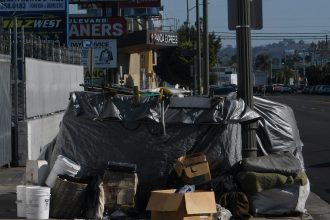
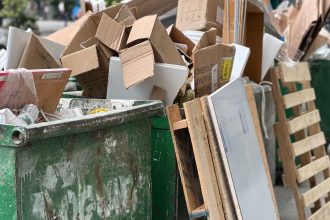
They arrived at dawn, two men in neon vests, a clatter of chains and the diesel hum of a roll-off truck waking the neighborhood. Ana stood in her kitchen doorway in Echo Park, rubbing sleep from her eyes, watching the truck reverse slowly down the street. The smell of coffee mixed with the metallic tang of fresh demolition dust that had settled on her countertops. The remodel had been a dream in progress for four weeks—new cabinets, tiles like ocean pebbles—and now the last piece of the puzzle was about to be carried away in a hulking, rectangular container parked on her curb.
Setup: Characters, Context, and the City Outside
Ana is not alone in this story. There is Mateo, the contractor with a laugh like a jackhammer and a clipboard full of plans; Ramon, the veteran driver who knows every alley in Venice and every permit office in Santa Monica; and a cast of neighbors who watch Los Angeles change, house by house, block by block. They move through places that feel like postcards: the palm-lined boulevards of Beverly Hills, the compact bungalows of Silver Lake, the industrial hum near Downtown LA, the ocean-breezy neighborhoods of Long Beach and Torrance. Each city has a rhythm and rules of its own, and a dumpster dropped without thought can become a note out of tune.
Across Greater Los Angeles, dumpsters are both mundane tools and small stageprops in larger stories about renovation, community, and environmental responsibility. In Culver City, an entire block once shared a dumpster during a theater renovation; in Pasadena, homeowners coordinated drop-offs to respect historic streets; in Burbank, a contractor navigated narrow alleys that felt like movie sets. This is where the practical intersects with the picturesque, where a simple container can bring up questions about permits, parking, and what to do with an old piano.
Rising Action: The Narrow Streets and Neighborly Tension
On day three of the project, a neighbor from across the street, Mrs. Delgado, stepped outside holding her potted fern. ‘Where are you putting that thing?’ she asked. Her tone was equal parts curiosity and complaint. Ana smiled, feeling suddenly self-conscious about the bright yellow cones and the plywood protecting her driveway. ‘Right here,’ Mateo said. ‘We got the permit from the city, and Ramon will set it gently. Promise.’ The truck’s shadow stretched long across the sunlit pavement as they negotiated where the dumpster could sit without blocking the alley access or inciting the HOA.
Permits are a recurring beat in this narrative. Santa Monica, with its tourist-heavy streets near the pier, demands strict curb use permits; West Hollywood and Beverly Hills require notifications and often specific times for drop-off and pick-up. Even within Los Angeles, rules vary by neighborhood and by the property ownerâs status. Parking enforcement officers can issue fines, and an improperly placed container can lead to tension with neighbors who complain about blocked driveways or an obstructed view. Ana knew the rules matter: a misstep could mean a fine, a delay, or worse—project blowouts that keep you living with a half-finished kitchen longer than anyone wanted.
The waiting, as the days ticked by with the tempers of weather and schedules, wound tight. The rising action was not just logistical: it was emotional. A dumpster full of the remnants of your life—old cabinets, plaster dust, the last of your late father’s workbench—feels at once liberating and painfully final. There is an intimacy to throwing away; you decide what stays and what goes. As they loaded items, Ana felt a small, private sorrow at the loss of little familiar things. But there was also relief. Each clunk into the metal container was a small clap of progress.
Key Insights: How Dumpster Removal Works in Greater Los Angeles
Between conversation and hammer strikes, the crew unknowingly taught Ana what to ask the next time she hired a roll-off. There are practical lessons that residents and contractors learn quickly when working in LA:
- Dumpster sizes matter. A 10-yard is great for garage cleanouts and small renovations; 20- and 30-yard containers suit kitchen or bathroom remodels; 40-yarders handle full-home renovations or major construction debris. In neighborhoods with narrow streets like Venice or Echo Park, a smaller footprint makes life easier.
- Permits and parking. Always check municipal rules. Santa Monica, West Hollywood, and Beverly Hills often require curb space permits if the dumpster will sit in the public right-of-way. Sometimes cities like Los Angeles itself or Glendale require a traffic control plan for larger trucks. Ramon explained that a small fine can turn a cheap project into an expensive headache.
- Weight and pricing. Many companies charge by the ton in addition to a flat rate. Heavy items like concrete, dirt, or tile can inflate costs quickly. If you have masonry or soil, separate those loads if possible or prepare for higher fees.
- Prohibited items. Hazardous waste—paints, solvents, batteries, electronics, tires, and certain chemicals—cannot go into standard dumpsters. Los Angeles County and many cities offer household hazardous waste drop-off days or dedicated facilities. For items like mattresses and appliances, there may be special pickup services or recycling options in cities such as Long Beach and Torrance.
- Recycling and C&D diversion. Los Angeles has aggressive recycling goals. Contractors often take construction and demolition debris to transfer stations and recycling centers like Sunshine Canyon for sorted materials. Many reputable dumpster services will outline how much of your debris can be diverted from landfills, saving you money and the planet.
- Driveway protection and placement. Lay plywood under the dumpster to prevent driveway pitting and wood scratches—especially crucial in pricey neighborhoods like Beverly Hills and Malibu. If the dumpster is on the street, use cones, signage, and lights after dusk.
Loading tips crept into the conversation naturally. ‘Load the bulkiest, heaviest pieces first,’ Mateo said, wobbling a tile pallet into place. ‘Keep weight centered and low. Donât leave the dumpster open when youâre done for the day.’ Ramon added a favorite: ‘If it looks like it will stick out over the rim, find another way or rent a bigger one. Overfilling is how people get fines, or worse—an accident.’ Their instruction felt like soft mentorship amid the dust.
Resolution: The Pick-Up and the Quiet That Follows
The day the dumpster left, the light had that crystalline LA quality. From the ridge of the Hollywood Hills to the glittering glass of Downtown, the city seemed to exhale. Ramon backed his truck into place in front of Ana’s home. He swapped jokes with Mateo about a television show shot nearby, and Mrs. Delgado came out to wave, a grin softening her earlier worry. The hydraulic lift engaged with a deep mechanical sigh, chains groaned, and the container rose, hovering over the street like a box-shaped bird before settling onto the truck bed with a final metallic thud.
There was a moment, an improbably tender silence, as if the house itself registered completion. Ana walked the perimeter of her property, touching a freshly sealed cabinet, inhaling a breeze that smelled faintly of roasted coffee from the corner cafe and salt from far-off beaches. ‘We did it,’ Mateo said, hands on his hips, looking at the cleaned curb. ‘It looks like it belongs here now.’ Ramon grinned. ‘Another block happy in LA.’ They locked the gate and left a handwritten receipt and a business card—a small professional footprint of the men who had moved the heavy things so she could move forward.
Takeaway: Practical Steps and a Lasting Image
If you take away one thing from this story, let it be this: dumpster removal is as much about planning and responsibility as it is about hauling junk away. In Greater Los Angeles, where streets wind between the ocean and the hills and each community keeps its own rhythm, success depends on choosing the right size, checking permits, separating hazardous materials, and treating neighbors with care. Whether you live in Echo Park, Pasadena, Inglewood, or Malibu, these principles remain true:
- Call multiple providers and compare quotes, including weight fees and disposal practices.
- Ask about recycling and diversion rates; diverting materials often saves money.
- Protect driveways and respect parking rules—apply for permits early if needed.
- Donât put hazardous waste in the dumpster; use municipal collection days or designated centers.
- Communicate with neighbors. A small explanation and a timetable go a long way toward goodwill.
The story closed on a small domestic tableau that felt almost cinematic: Ana standing on her porch with a glass of sparkling water, the kitchen gleaming, the street open and clear. In the distance, palm trees swayed against a sky bruised with sunset, and the hum of the city receded into a gentle LA soundtrack—distant traffic, a dog barking on a neighboring block, a faint melody of someone tuning a piano. The dumpster was gone, but the work it had carried away left room for life to return, fuller and brighter.
There is an image I keep returning to from that morning: Ramon, wiping his hands on a rag, looking up at the skyline where the sun caught the edges of the Griffith Observatory and the soft silhouette of the pier. He shrugged, not as a question but as a statement of fact. ‘We move things so people can live,’ he said. That simple line holds the entire city in it—the messy, beautiful churn of Los Angeles where homes are remade, streets are shared, and even a dumpster can mean a new beginning. The last light slid down the street, and Ana turned the key in her front door, stepping into a kitchen that smelled like fresh paint and possibility.