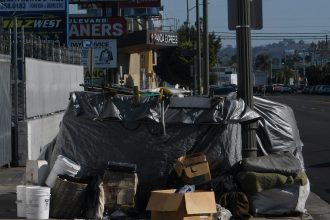
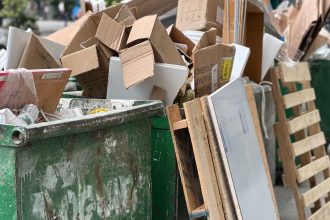
The first time I watched a roll-off dumpster arrive in my Echo Park alley, it sounded like a small freight train had decided to drop by for coffee. Metal-on-metal, the creak of chains, and the smell of tar from the street—then the thud as the container settled. I remember thinking: this hulking, temporary beast will disappear all the evidence of a decision I made under the kitchen sink at 2 a.m.—to knock down a wall and open my house to light. What I didn’t expect was how much the dumpster would teach me about Los Angeles, about neighborhoods from Burbank to Venice, and about the invisible rules that make or break a renovation.
Setting the Scene
It was early spring, and the city was unfurling itself like a map of possibilities. Across town, in Santa Monica, a rooftop garden project needed green-waste removal. Down south in Long Beach, a small business cleared out decades of inventory. In Pasadena, a craftsman was gutting a Craftsman bungalow, and in Torrance, a duplex remodel was running on a tighter clock than anyone had planned. My project sat somewhere between whim and reality: a one-story Spanish bungalow that a contractor named Ramon promised he could transform in six weeks.
Ramon arrived like many L.A. contractors do—late, carrying a takeout cup, with a clipboard heavy with handwritten notes. ‘We need a 20-yard roll-off,’ he said, sketching the rectangle of the dumpster in the dirt. His voice carried the practical cadence of someone who has navigated alleyways in Glendale and steep driveways in Beverly Hills. ‘But listen: if you want to put it on the street, you’ll need a permit. LADOT won’t be thrilled if we block two parking spaces without paperwork.’ I nodded, suddenly feeling like a new player in a city of regulations and rhythms.
Rising Action: The Logistics That Stole the Spotlight
What followed felt like a scavenger hunt with a clipboard. I learned that every neighborhood in the Greater Los Angeles Area has its own etiquette. In West Hollywood, aesthetics mattered; the HOA expected the dumpster camouflaged or kept off the curb. In Malibu, access and terrain meant the truck needed a team of helpers and a permit that demanded detailed placement plans. In Compton or Carson, arrival times could be earlier and routes different than what my GPS suggested.
There were practical conflicts too. Mrs. Chen from next door stood at her fence watching the delivery with a steely look. ‘You need to tell the company not to scrape my plaster,’ she said. ‘Last time a driver misjudged.’ I wrote it down. Ramon called his contact, Maria, at the hauling company and said, ‘We need a driver who knows alleyways and can back up without a chorus of horns.’ Maria laughed over the phone and said, ‘I’ll send Luis. He’s done Venice alleys at sunset and still smiles.’ You remember those small details when the difference between a smooth job and a community uproar is a mirror-like driveway or a scuffed wall.
Then there were the smells—paint flaking with yesterday’s fumes, the damp compost smell of palm fronds, the metallic tang of old nails. A dumpster is a container of history: broken tiles from a Long Beach remodel, a stack of magazines from a West Hollywood purge, a piano board or two from a musician moving to North Hollywood. Each item begged a decision: toss, recycle, donate, or call someone with more expertise.
Key Insights Woven into the Story
As we sorted through demolition debris, Ramon taught me the practical rules of dumpster removal across L.A. County. ‘Size matters,’ he said, tapping the edge of a sagging roof tile. ’10, 20, 30, 40 yards—pick what matches the job or you’ll pay for trips. Also, not everything belongs in a roll-off. Paint, solvents, batteries, and electronics need special handling. Those are for Household Hazardous Waste events or certified haulers.’ His voice was part warning, part map.
Here are the lessons that stuck, revealed through the narrative of each truck that came and went:
1) Permits and parking: If you plan to place a dumpster on public property—curb, street, or alley—you need a permit. In the city of Los Angeles, the Los Angeles Department of Transportation (LADOT) issues permits for temporary loading zones. Santa Monica and Beverly Hills have their own processes and fees. Expect to schedule the permit ahead of time, and factor in costs for cone setups or temporary signage required by some municipalities.
2) Size and scheduling: For most home renovations in Silver Lake or Culver City, a 20-yard dumpster handles kitchen and bathroom demolition. For larger projects in Pasadena or Huntington Beach, a 30- or 40-yard unit might be necessary. Schedule deliveries for mornings to avoid afternoon heat, especially in summer when fumes and odors intensify.
3) Weight and tipping fees: Haulers typically include a base price for the dumpster and a weight allowance. If your load is heavier—think tile, concrete, or soil—you’ll face additional tipping fees at transfer stations or landfills like Sunshine Canyon. Ramon joked, ‘Concrete is capitalism’s heaviest secret. It costs to move history.’
4) Recycling and disposal rules: Los Angeles has ambitious waste diversion goals. Many haulers will sort on arrival or deliver debris to sorting facilities. Wood, metal, and cardboard can be recycled; concrete and asphalt can often be crushed and repurposed. In Santa Monica or West Hollywood, mandates push for higher recycling percentages and proof of disposal. Keep receipts—cities sometimes audit large projects.
5) Hazardous materials: Old paint cans, fluorescent tubes, and certain insulation materials cannot be tossed in a roll-off. For these, there are HHW (Household Hazardous Waste) collection events or certified hazardous waste haulers. ‘Call a specialist,’ Maria advised when I found a stash of solvents. ‘Save yourself trouble and fines.’ The city of Los Angeles and many surrounding municipalities host multiple collection sites throughout the year.
Moments of Tension and Learning
Two weeks into the job, a delivery hiccup raised the stakes. The driver who arrived was from out of town and unfamiliar with our narrow alley. He misjudged, and an overturned trash can clattered like a percussion section in a bad orchestra. A neighbor banged on the fence. ‘Careful!’ she shouted. Ramon stepped in, calm and commanding. ‘Stop the truck. We’ll reposition. We don’t want to block the lane.’ Nearby, a dog began to bark, a sound that rippled down the block.
We repositioned the dumpster across the driveway, avoiding the tree roots in the sidewalk that a weary city inspector had once warned us about. The driver, apologetic, stayed and helped secure cones and hazard tape. ‘We’ve all had that alley where the truck gets poetic about geometry,’ he said with a grin. It was a small human moment that reminded me: dumpster removal is logistics, but it is also a neighborhood choreography that requires respect.
Practical Tips As We Worked
As concrete dust settled and the kitchen demolition began, I kept a checklist Ramon had invoked like a prayer before each day’s lift-off.
– Communicate with the hauler: Confirm size, dates, and placement. Ask about overage and weight fees and whether they handle recycling.
– Get permits early: LADOT and other cities have online portals. Some approvals take days. If you’re in a historic district or an HOA like those in Beverly Hills, you may need extra permissions.
– Separate hazardous items: Set aside paint, oils, batteries, and electronics. Use local HHW events or certified vendors in Glendale or Inglewood.
– Load smart: Heavy items go in first near the front, lighter items on top. Don’t let materials protrude. Keep pathways clear for trucks and neighbors.
– Consider donation: Usable fixtures, cabinets, and appliances can be donated to Habitat for Humanity ReStore or local charities in Long Beach and Pasadena. It feels good and reduces disposal costs.
Resolution: The Day the Dumpster Left
Six weeks later, the last box went into the dumpster. Ramon looked at the cleared site, at the strip of light that now caught the kitchen floor differently. ‘You did good,’ he said, and for once his voice lacked his usual urgency. Maria’s crew returned, hooked the container, and with a practiced motion slid it up onto the truck. There was a moment of silence in the alley, a pause between the closing of a chapter and the whisper of future plans.
As the truck backed out, the neighborhood watched like a train leaving. Mrs. Chen waved from her fence. ‘Nice to see the sun,’ she said. The smell of fresh-cut lumber and new paint replaced the old pungent bouquet, and the amnesty of space felt like a small victory.
What to Remember and Do
If you are planning a demolition or renovation in the Greater Los Angeles Area—whether in Echo Park, Santa Monica, Long Beach, Burbank, or Torrance—remember that dumpster removal is more than a line item. It is an orchestration of city rules, neighborly respect, and environmental responsibility. Call ahead, get your permits, choose the right size, separate hazardous materials, and consider donation before disposal. Treat the process as part of the project’s design, not an afterthought.
And finally, when a dumpster leaves your street, take a breath. You have not only cleared physical debris; you have navigated a small civil ritual of Los Angeles life. The garage smells of sawdust, the skyline looks different from your porch, and someone will park where the truck once stood. For me, the final image was Ramon leaning against a freshly painted wall as the truck turned the corner toward Sunset, the Hollywood Hills grazing the horizon like an old friend. The city, like the house, felt renewed—full of the small, human choices that make urban life possible.
The dumpster was gone, but the story it contained remained: the careful calls, the permits stamped, the donations made, and the neighbors who watched and adjusted. In a city that never stops building or dreaming, sometimes what you remove tells you where you are going.
The truck disappeared into the late afternoon light, and my bungalow finally breathed.