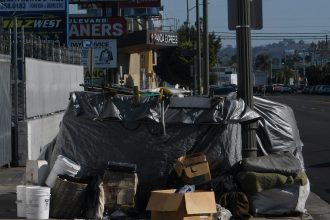
The first time I saw the dumpster, it arrived like an island in the middle of my Culver City street — a dark metal rectangle that hummed with possibility and worry. Neighbors peered from porches, palm fronds whispered, and a familiar scent of roasted coffee from the café on the corner mixed with the metallic tang of fresh paint and the faint, briny hint of the ocean. I remember thinking, for a moment, that the dumpster had more personality than my contractor.
Setup: A Home, a Contractor, and a Tight Deadline
We were two weeks into a kitchen tear-out on a modest Spanish-style bungalow in the Fairfax District. The contractor, Marco from Burbank, had promised a fast, clean job; what he didn’t mention was the cascading difficulty of getting a roll-off placed legally on a narrow Los Angeles street during film season. The homeowner, Maria, ran a boutique in Silver Lake and had scheduled a soft opening in three weeks. She juggled inventory phone calls while watching the workers pry up tile, and she worried aloud about the mess.
‘We need that dumpster, yesterday,’ she said, rubbing her temples. ‘But I can’t have it on the curb blocking the neighbor’s driveway.’ Marco nodded, wiping sawdust from his beard. ‘I’ll call the hauler. They’ll sort the permits.’
The hauler, a small family operation based in Inglewood, showed up an hour later. Their truck rumbled like a beast used to the weird geography of Los Angeles — hills, freeways, and narrow city streets. The crew were polite, tanned from sun and time outdoors, and they carried themselves with the kind of precision that comes from years of tossing drywall into steel boxes.
Rising Action: Permits, Protests, and a Sunset Deadline
That afternoon I learned the truth about dumpster removal in the Greater Los Angeles Area: it’s part logistics, part etiquette, and part municipal bureaucracy. You can’t simply drop a container and walk away in Los Angeles, Santa Monica, or Beverly Hills. Streets are busy; parking is precious; film crews claim blocks, and HOA bylaws frown at the sight of construction in manicured front yards.
Marco’s phone call to the hauler turned into a line of back-and-forth with the city’s parking bureau. The roll-off would sit on the curb unless we secured a temporary street use permit from LADOT. ‘Same-day permits are rare,’ the clerk said on the line from downtown, her voice as pragmatic as an old friend. ‘You’ll need to submit a request, provide a diagram, and allow two business days. For Santa Monica or Malibu, it’s a different office entirely. Each city has its rhythm.’ The crew looked at one another. The sun was starting to dip behind the Palisades, and Maria’s anxiety rose with the shadows.
Then came complaints. An elderly neighbor from down the block emerged with a grocery bag and a pointed stare. ‘Last time a crew parked like that, our driveway was blocked for half a day,’ she told us. ‘And the kids couldn’t get to the bus.’ Tension rippled. In West Hollywood, a similar situation can escalate quickly into a city-mandated removal. We had to pick our moment and our placement carefully.
Key Insights: The Practicalities Woven into the Story
As the crew measured for the right size, I listened and learned. Roll-off dumpsters usually come in sizes measured in cubic yards: 10, 15, 20, 30, and 40-yard containers. Marco suggested a 20-yard — roomy enough for kitchen cabinets, tile, and cabinets but small enough to fit without taking over the block. The hauler explained the unspoken rules of Los Angeles dumpster etiquette:
‘If you put it on the street in LA proper, you’ll need a permit from LADOT,’ the foreman said. ‘In Santa Monica, ask the city’s Public Works. In Long Beach and Torrance, you might be dealing with franchised haulers. Some cities require you to use a local franchise hauler, so always check first.’
They set down wooden boards beneath the dumpster’s skids to protect the driveway. That small tactile detail — the feel of rough plywood underfoot, the squeak of truck brakes, the cool metal of the dumpster’s lip — was the kind of craft they took pride in. It also prevented gouges on a homeowner’s concrete and shielded the driveway from concentrated weight, because weight equals fees. Haulers charge based on weight and type of debris. Concrete and dirt often cost more than wood and dry construction debris. Hazardous materials like paint, solvents, batteries, and asbestos are explicitly forbidden in a standard dumpster and must be set aside for special disposal according to CalRecycle rules and local ordinances.
We learned about salvage options too. ‘If something’s in decent shape, donate it,’ the foreman suggested. ‘ReStores, local salvage yards, or even a quick curb alert can keep usable items out of the landfill.’ In Hollywood, a chipped but functional range could find a new life in a production house set; in Pasadena, a thrift-loving community might snap up a vintage cabinet with a new coat of paint.
And then there was scheduling. Peak days — weekends and the beginning of the month — can be booked weeks out. For emergency cleanups in Inglewood after a flood or for quick theater set changes in Downtown LA, same-day service sometimes exists but carries a premium. The crew that day worked efficiently: spotters, safety vests, cones, and a placement that kept the dumpster off the main lane while still accessible for loading.
Scene: The Work Begins
As the light turned amber, the first cabinet clattered into the metal like a small, decisive drumbeat. Dust rose in swirls, catching the last rays of sun, and a neighbor’s cat arched and vanished into a hedgerow. Maria stood with a shop apron smeared with joint compound and delight, watching each old tile hauled away. ‘I’ve been wanting this for years,’ she said softly. ‘It feels like we’re finally making room for what comes next.’ She and the crew shared a small laugh — the kind that acknowledges both the mess and the promise of transformation.
Work slowed at dusk. The crew covered the dumpster with a tarp to prevent loose materials from fluttering into the street overnight. The hauler left a sign indicating the permit application was in progress and a number to call. That simple act spared neighbors and ensured compliance. It felt like a truce between renovation and urban life.
Rising Stakes: The Neighbor, the Notice, and a Driveway Claim
Three days into the project, a permit rejection arrived by email. A nearby film shoot had closed the section for another week, and LADOT could not approve a placement without rerouting a loading zone. The production company had reserved the right to the curb. Suddenly, the dumpster was an argument waiting to happen. Marco called the hauler. The hauler called the production coordinators. There were apologies, a small payment toward alternate parking, and a last-minute shuffle that required moving the dumpster to a driveway with the consent of a neighbor two houses down — a small act of civic generosity that saved the project and kept the bulldog from barking all night.
‘We pay it forward all the time,’ the neighbor said when Maria offered to help with a week of dog-walking in exchange. ‘You let us glance at your progress, we’ll let you borrow our driveway.’ The negotiation felt like a miniature city council meeting, full of bartered favors and mutual respect.
Key Insights Continued: Costs, Safety, and Green Disposal
The fiscal reality crystallized as the dumpster filled. Costs were a mosaic: base rental, days of rental, weight overage, disposal fees at Sunshine Canyon Landfill for LA County loads, and permit charges if applicable. If the dumpster sat on city property without a permit, fines could add to the tab. ‘Ask for an itemized quote,’ the foreman advised. ‘Make sure there’s a clear weight allowance, a description of what you can put in, and whether they’ll take separated materials like metal or green waste for recycling.’
Safety was non-negotiable. Proper PPE — gloves, goggles, steel-toed boots — and guidance on loading prevented injuries and kept tipping fees low. They taught us to place heavy items evenly and to break down bulky materials. For roofing jobs in Santa Monica or Malibu, special drop chutes and netting can be required to prevent debris from falling onto public walkways or into gutters that lead to the ocean. That protection matters — not just for fines but for preserving the beaches and marine life that Angelenos cherish.
Resolution: Clearing Out and Looking Forward
By the end of the second week, the dumpster had been hauled away. The site smelled of fresh paint and sawdust, not of stale demolition. Maria hosted a small brunch for the crew, neighbors, and Marco. We drank coffee strong enough to burn the language of stress away, and the house, now gutted and promising, seemed to breathe easier.
‘We couldn’t have done it without you,’ Maria told the hauler’s foreman. He shrugged, embarrassed by praise but visibly proud. The foreman handed her a neat folder containing receipts, photos of the dumpster placement, and the final disposal manifest noting where materials had been taken. Seeing ‘recycled’ stamped on several pages gave her — and the neighborhood — a tangible sense of responsibility kept.
Takeaway: What to Remember and Do
Walking away from that house that evening, I thought about the layered choreography that makes dumpster removal in the Greater Los Angeles Area a nuanced art. The practical takeaways are simple but vital: plan early, check local rules in Los Angeles, Santa Monica, Long Beach, Pasadena, Glendale, and Burbank, and factor permit time into your schedule. Ask for an itemized quote that includes weight limits and disposal charges. Protect surfaces with boards, separate recyclables and hazardous waste, and consider donation or salvage for still-usable items. Communicate with neighbors and, if needed, negotiate temporary driveway use to avoid fines and friction.
Most importantly, hire a hauler who knows the local terrain — someone who understands the rhythm of Inglewood traffic, the permit staff in West Hollywood, and the environmental expectations in Malibu. In a place as complex and alive as Greater Los Angeles, that local knowledge can be the difference between a smooth, eco-conscious cleanup and a costly, fraught misstep.
Final Image
On the last day, the street looked ordinary again. The dumpster was gone, leaving only a rectangle of slightly darker pavement where it had once rested and a sense of completion. Maria stood at her front gate, the late light catching the gleam of new fixtures inside. A film truck rolled by, oblivious to the small human triumph a few houses down. In the distance, the skyline of DTLA punctuated the sky like a promise. The city keeps moving — always dynamic, often complicated — but for that house in Culver City, and for countless homes across Los Angeles, Long Beach, Pasadena, and beyond, a careful, local approach to dumpster removal had turned a messy disruption into the first clear step toward renewal.