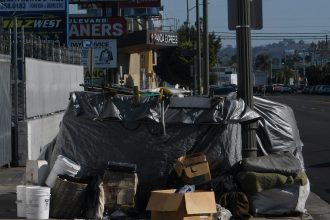
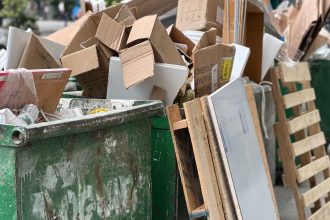
The morning the sun hit Echo Park like a spotlight, Maria watched two men maneuver a rusty roll-off dumpster between a ficus and a vintage Chevy. The truck idled, diesel humming low, while palm fronds sighed. For a week her house had smelled like sawdust and paint thinner—remnants of a kitchen gut-and-rebuild that felt as if it was silently rewiring her life. ‘If we can’t fit this thing, I’m going to lose my mind,’ she muttered, and the minute the dumpster scraped against the driveway she felt, absurdly, like the project might actually finish.
Setting the Scene: A City of Projects
Greater Los Angeles is a place of perpetual remaking. From the bungalow remodels in Pasadena to apartment makeovers in Hollywood, every corner—from Santa Monica’s breeze-blown streets to Torrance’s tidy blocks—has a story of construction, clearing, and renewal. Dumpsters are the unsung props in these stories. They sit in driveways, on curbs in Burbank, or in service alleys in Long Beach, collecting the detritus of change: crumbling plaster, a lifetime of accumulated junk, cabinets with swollen bottoms.
Characters and Conflict: Neighbors, Noise, and Permits
Maria’s cast was small but potent: her contractor Javier, joking and impatient; Ramon, the driver who could place a 20-yard roll-off in a space too small for parking; and Lena, her neighbor from the duplex next door in Silver Lake who loved quiet mornings. ‘You told me this would be over in two weeks,’ Lena said the first Saturday, peering over the fence at a pile of torn drywall. Her tone was more curious than accusatory. ‘We all have our patience limits,’ she added, sipping coffee in a robe like a judge delivering verdicts.
What the story didn’t stop to mention at first was bureaucracy. By the second delivery attempt Ramon frowned at his tablet. ‘This spot needs a permit if it’s on the street,’ he said. Maria had imagined a simple drop-and-go. Instead she found herself entangled in municipal rules—Los Angeles Department of Transportation regulations about street placement, parking permits for blockages, and Sunny California’s obsession with keeping film shoots and food trucks moving. Santa Monica and Long Beach each had their own hoops: special signage, time-limited placements, and sometimes neighborhood notifications.
Rising Action: Tight Alleys and Tight Budgets
Pressure began to mount. The crew had to move a 30-yard dumpster through a narrow alley that smelled faintly of jasmine and old paint. They had to protect a cracked driveway with plywood, navigate root systems from an ancient ficus, and crane the box into place without scraping a neighbor’s property. “Careful,” Javier warned as Ramon nudged the metal with the truck’s winch. The sound of metal on concrete was a small, sharp alarm. Maria watched with her hands pressed against the fence, heart thumping a rhythm of risk and relief.
Money was another tension. Quotes ranged like the geography of the city: a small 10-yard dumpster for a studio cleanout might be $300 in Van Nuys, while a 30-yard for a heavy renovation in Pasadena could push $900 or more, depending on rental days and weight. Add permit costs, overage charges for extra tonnage, and fees for disposal of items like mattresses or hazardous materials, and the budget swelled. Maria learned the difference between ‘included’ weight and ‘per-ton’ surcharges, and why a call about concrete or dirt could double a bill.
Practical Lessons Woven Into the Story
As Maria and the crew worked, practical knowledge seeped into conversation like coffee. Ramon explained dumpster sizes in terms anyone could picture: 10-yard bins for small cleanouts, 20-yard for medium renovations, and 30- and 40-yard boxes for full home guttings or commercial jobs in Burbank or downtown Los Angeles. He showed Maria how those numbers translated to wheelbarrows of debris, and why a 20-yard might be ideal for her kitchen: big enough for cabinets and drywall but small enough to fit the driveway.
‘Don’t throw in hazardous stuff,’ Javier said, pointing to a leaking aerosol can. ‘Paint, solvents, batteries—those need special handling. And electronics often have e-waste rules in cities like Long Beach and Santa Monica.’ He suggested donating salvageable items: ‘Habitat for Humanity ReStore or local thrift shops will take gently used fixtures and vanities. Great for the planet and it keeps the dumpster lighter.’ Maria felt better knowing a little of her old life might land somewhere useful.
City Nuances and Unseen Extras
The biggest surprise in the narrative was how different rules could be block-by-block. In Hollywood, a permit could be complicated by film shoots and location permits that commandeered curb space. In Inglewood, older neighborhoods had tighter HOA rules that required homeowner notification. Torrance sometimes required additional signage for street placement, while Glendale’s historic districts added layers of consideration for curbside storage. Even the timing of deliveries mattered: early morning drops minimized traffic disruption and avoided heat that could make crews miserable in the South Bay summer.
Another lesson was protection: placing plywood under the dumpster protected driveways from gouges; placing cones and reflective signage kept morning joggers safe; and tarping a load kept wet debris from becoming a sticky, smelly mass on pickup day. Ramon advised scheduling pickups not on a Friday afternoon when traffic and film production might delay a truck—Monday pickups often meant a fresher timetable.
Turning Point: When Things Almost Went Wrong
A week into the project a neighbor’s complaint about noise triggered a city call. A ticket loomed because the dumpster briefly encroached on the street during placement. The story tightened. Maria sat on her stoop as her phone vibrated with a notice. ‘I didn’t think they’d actually enforce it,’ she muttered. Javier, calmer now, called the local office, explained the permit had been applied for, and arranged for temporary signage and cones that satisfied regulations. He also negotiated a two-day extension without overage charges after promising the load would be hauled promptly.
‘The city’s not trying to make life hard,’ he told Maria. ‘They’re trying to keep the street moving and the neighborhood safe. It feels personal because it’s your home, but it’s also civic.’ He smiled, the kind worn by people who have moved dumpsters through small catastrophes a dozen times. Lena returned the smile from her kitchen window. ‘Okay,’ she said. ‘You moved fast, and they answered. I’ll let you know if my cat starts bringing you gifts.’ Everyone laughed, and the tension thinned like morning fog.
Resolution: A Clean Driveway and Clean Conscience
The pickup day came with a sky the color of old denim. Ramon and his small team worked with choreography—chains, hooks, winches, a practiced rhythm. The dumpster lifted; the truck sighed forward and was gone, leaving only a rectangle of flattened cardboard and the scent of sawdust in the air. Maria stood in her driveway, the space suddenly vast and possible without a mountain of debris to remind her of the upheaval. She felt a simple, deep relief that was almost reverent.
Later that afternoon she drove to a donation center in Long Beach with hardware that still had life: a faucet set, some tiles, a light fixture. She watched volunteers unload and felt a curious pride. What had been trash in one life was now potential for a new home. The landfill fees she’d paid in LA seemed less like a landfill’s gullet and more like a city doing its cumbersome work of sorting and renewing.
Takeaways: Practical Wisdom from a Dumpster Story
The story of Maria’s renovation and its dumpsters leaves a few clear, useful markers for anyone in Greater Los Angeles about to start their own project:
– Plan ahead: Measure your space, choose the right dumpster size (10–40 yards), and factor in delivery and pickup days. Know what will push your load over weight limits.
– Know the rules: Check municipal requirements. Los Angeles often needs street permits for curb placement; Santa Monica, Long Beach, and Burbank have local variations. HOAs and historic districts add layers.
– Protect surfaces: Use plywood, pads, or trailers to shield driveways and tree roots. Place cones or signage to warn pedestrians and prevent tickets.
– Separate and donate: Recyclables, salvageable fixtures, and items for donation reduce costs and help the environment. Hazardous materials and e-waste require special handling.
– Communicate: Tell neighbors and schedule around local events, film shoots, or busy market days. A quiet heads-up can keep tensions low and relationships intact.
At dusk, Maria sat on her front steps and watched the Hollywood Hills turn indigo, the city lights beginning to blink alive. The air smelled faintly of citrus and the faint diesel trace of earlier activity. She felt oddly grateful—grateful for the men who knew how to fit a dumpster into an impossible space, for the volunteer truck at the donation center, for the quiet patience of a neighbor who had, in the end, shared her street with a moment of chaos. The house still had work left, but the glint of the gap in the driveway made that work seem possible, finite, winnable.
Ramon waved as he rolled past later, his truck already loaded for the next job in Van Nuys. ‘Next time, call early,’ he called. ‘And bring coffee.’ Maria laughed and waved back. The evening settled like a lid. A single streetlight cast a warm pool on freshly swept concrete, and for the first time in weeks, the house felt like a place to rest, not only a site of labor. The dumpster days were over, but their lessons lived on: plan, permit, protect, donate, and—when the moment demands—call someone who knows how to fit large things into small spaces.
Final Image
Under that streetlight, the driveway looked almost like a stage. Without the clatter of renovation debris, it hinted at possibility: a dinner with friends, a child drawing in chalk, a small table where Maria would one day place a pot of herbs. The city around her hummed—not the harsh sound of disruption but the softer, ongoing noise of Los Angeles remaking itself, neighborhood by neighborhood.