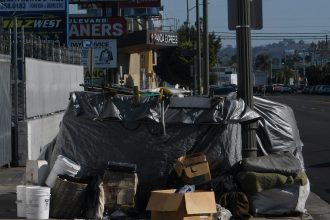
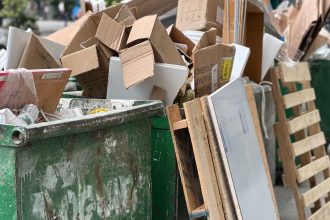
The first time Maya saw the pile in her Pasadena backyard, she stood frozen on the cracked flagstone with the smell of sawdust and old paint thick in the air. It looked less like a stack of renovation leftovers and more like a small, lopsided mountain that had sprouted overnight. Between the sagging drywall sheets, a few rusted metal rods, and a cabinet door that still had the neighbor’s coffee ring on it, she felt both exhilaration and overwhelm. ‘We can do this,’ she told herself, though the word ‘we’ was mostly wishful thinking and the echoing voice of a contractor she hadn’t even called yet.
Setting the Scene: A City of Projects and Possibilities
Greater Los Angeles is a collage of neighborhoods where home projects happen daily: a kitchen gut in Echo Park, a bathroom redo in Burbank, a garage clearance in Silver Lake, a major demo in Long Beach. Streets hum with the low thump of jackhammers and the metallic clang of reclaimed fixtures. From the salty breeze near Santa Monica Pier to the eucalyptus-scented hills of Pasadena, the need for efficient, responsible dumpster removal threads through urban life like a quiet infrastructure—never headline-grabbing, always necessary.
Maya’s block was a microcosm of that reality. Craftsman homes mingled with Spanish facades and a few modern glass boxes. The sun baked the asphalt until it smelled faintly of caramel; pigeons argued over a leftover croissant across the street. She needed a dumpster that would fit in her narrow driveway without blocking the city sidewalk too long, comply with Pasadena’s permit rules, and handle a mix of construction debris and household items. The question was, where to start?
Rising Action: Logistics, Rules, and the Neighbor Who Knows Everyone
Her neighbor, Mr. Ortega, shuffled over with his mail and a knowing grin. ‘You’re doing the whole place?’ he asked, peering at the mess through his wire glasses. ‘Back when I redid my roof in Burbank, I learned one thing: you find the right dumpster, you save your sanity.’ His voice had the pragmatic cadence of someone who’d spent decades navigating permit offices and hauling heavy things up and down Los Angeles hills.
‘What did you do about permits?’ Maya asked, wiping her hands on a towel. Heat shimmered above the roofline and the scent of freshly cut cedar floated in from two houses down.
‘Depends where it goes,’ Mr. Ortega said. ‘If it sits on the street in LA proper, you get a street-use permit from the city. In Santa Monica or West Hollywood it’s the same tune but with different forms. In Long Beach, they have their own rules. Driveway? Usually fine. Sidewalk? Not so much. And if you’re doing anything near a tree well or a fire hydrant—forget it, you need permission.’ His tone was half warning, half life lesson.
The more Maya asked, the longer his list grew: size matters—10, 20, 30, 40 cubic yard dumpsters; weight matters—many companies cap tonnage; material matters—no hazardous waste like old paint or asbestos without special handling; timing matters—some jobs get a week, some need daily pickups. Each detail was a knob that could make the project simple or spiral into extra fees and stress.
Key Insights Woven Into the Story
Maya made a shortlist of what she needed. The crew had stripped out a small bathroom, taken down a load-bearing wall that would become an open-plan kitchen, and hauled away a lifetime of accumulated ‘maybe useful’ objects. That meant three categories: inert construction debris (drywall, lumber), salvageable items (cabinetry, light fixtures, doors), and hazardous or regulated items (old oil-based paint cans, aerosol sprays, batteries).
She called a local roll-off company and spoke to a scheduler named Rico, who sounded like he was driving through Koreatown. ‘Measure your space,’ he said without preamble. ‘And tell me if you plan to put it on the street. If so, you’re gonna need a city permit in most places—and that can take a couple days.’
Rico explained the sizes: a 10-yard fits small cleanouts and tight driveways; a 20-yard suits medium renovations; a 30 or 40-yard handles major demolitions. Pricing depends on size, weight, duration, disposal distance, and whether you need a permit or street placement. ‘Also,’ he added, ‘divert what you can. Metals, concrete, even some lumber can be recycled or sold. Less weight, less cost.’
For Maya, that translated into practical steps she could take while waiting for the permit: stash salvageable pieces on the porch for donation pick-up in West Hollywood, call Habitat for Humanity ReStore in Pasadena about usable cabinets, and locate the nearest metal recycler in the LA Basin. She learned that Sunshine Canyon Landfill serves much of LA County, but there are smaller transfer stations and recycling centers across the region that accept specific materials at lower costs.
Tension: Discovery and the Unexpected Delay
The day before the dumpster was due, Maya’s contractor, Luis, found something he hadn’t expected: a narrow strip of brittle, gray material behind the old furnace—tiny flakes that suggested the possible presence of asbestos-containing insulation. The word ‘asbestos’ made the air in the small laundry room go cold.
‘We can’t toss this in a regular roll-off,’ Luis said. He held a gloved hand over the material like it might catch fire. ‘We have to have it tested and abated properly. If it is asbestos, it has to go to a licensed hazardous waste facility. That changes everything.’
Now the clock was a pressure cooker. Maya could hear the rumble of a garbage truck down the street and felt suddenly exposed to the scale of urban regulations. She cancelled the immediate dumpster drop and spent an anxious afternoon on hold between a testing lab, the city environmental office, and a specialized abatement contractor in Glendale. The costs rose on the back burner of her mind, but so did the need to do it right.
Practical Education Amid the Chaos
What followed was a crash course in safe disposal: hazardous materials like asbestos, lead-based paint, and certain solvents have their own pathways. Residential roll-off dumpsters aren’t equipped for them, and dumping such materials illegally can result in steep fines and environmental harm. For most homeowners in LA County, a good plan is to segregate materials at the source—keep wood, metal, and concrete separate; donate usable items; and hire licensed handlers for anything flagged as hazardous.
Another thread of learning was local variance. Pasadena’s public works office had a different fee schedule from the Los Angeles Department of Transportation. Culver City required a specific insurance endorsement for contractors placing dumpsters on public streets. In Santa Monica, coastal proximity meant stricter controls on certain debris that could reach the ocean. The take-home was clear: one-size-fits-all advice would get you halfway; the last mile required a phone call to city hall or a reliable hauler familiar with local rules.
Resolution: A Team Effort, a Clean Street, a Sunset Over Griffith
Several days later, with the hazardous material tested and abated, a 20-yard roll-off arrived just as the sun began to tilt toward late afternoon. The truck’s hydraulic arms unloaded the dumpster with a practiced thud, and Rico hopped down, wiping sweat from his brow. ‘We found a spot,’ he said, nodding toward the driveway. He had already secured a temporary street-use permit for pickup days, which meant the dumpster could sit partly on the driveway and partly on the curb without causing a ticket or a neighborly uproar.
Neighbors came by with advice, coffee, and, to Maya’s surprise, help. ‘We used to do that to my dad’s place in Long Beach,’ joked Tasha from across the way, sliding a bag of old light bulbs into a labeled box. ‘Separate the recyclables, or you’re just paying to haul rocks.’ Hands moved efficiently: heavy drywall and masonry went in first to keep the center of mass low; delicate fixtures were carefully wrapped and put aside for donation; used nails and metals went into a separate bin for recycling.
The dumpster smelled of tar and dust and the faint tang of old varnish. The clink of metal against metal kept time with the city: a distant siren, a plane trailing over Griffith Park, a neighbor calling their dog. By sunset the pile that had once seemed a mountain was a neatly stacked, much smaller problem. The street looked clearer; the house looked promising again.
Takeaway: What to Remember and Do
There are practical lessons threaded through Maya’s story that apply to anyone in Greater Los Angeles contemplating dumpster removal. Measure your space and choose the appropriate dumpster size. Check local rules—city permit requirements vary across LA, Pasadena, Burbank, Santa Monica, Long Beach, and West Hollywood. Separate materials at the source to save money and support recycling efforts. Never put hazardous materials into a regular dumpster; test and hire licensed abatement services if needed. Compare haulers not only on price but on their knowledge of local regulations, permit assistance, and recycling practices.
And perhaps most importantly: ask for help. The day Maya involved neighbors, haulers, and donation centers, the job became not only easier but communal. Her renovation was a private dream tangled with public rules and shared streets; clearing the debris restored not just her backyard but a rhythm to the block. When the dumpster left days later with a final metallic groan, Rico waved at the neighbors who had come out to watch. Mr. Ortega tipped his hat. ‘See?’ he said quietly to Maya. ‘A city’s just a bunch of people making space for the next thing.’ She watched the truck recede down the lane, tires whispering over the asphalt, and felt the first clean-breath exhale of the house and of herself.
That night, as the city lights painted the hills of Hollywood in a scatter of electric stars and the silhouette of the Griffith Observatory stood watch, Maya walked out to the curb and sat on the stoop. The sunset had turned the sky a bruised orange, and the air smelled of cedar and cooling concrete. What had been a looming, anxious mountain of stuff had become a cleared space ready for new beginnings. In Los Angeles, where reinvention is as common as the tide in Santa Monica, the simple act of clearing away the old can feel like making room for possibility itself.
A Final Image to Carry
In the morning she would call a local donation truck to pick up the salvaged cabinets, and a recycler would take the metals. The dumpster was a practical tool, but it had also become a story of neighbors, regulations, and small acts that keep a city functioning. As she closed the back gate, Maya turned and looked up at the darkening skyline. Between the palm trees and the towers, a sliver of moon hung like a thumbprint. The street smelled faintly of espresso from the café on the corner, and somewhere in the distance an engine started. She felt ready.