Renting a dumpster is one of the simplest decisions that can transform a messy project into a safe, efficient, and compliant job site. Whether you are clearing out a garage, renovating a home, or managing a construction site, a reliable dumpster rental service streamlines waste removal, reduces liability, and keeps work moving.
In this guide you’ll get expert, practical advice on dumpster rental options, sizing, pricing, and how to choose the right service. The goal is to make the process straightforward and stress-free—so you finish projects on time, under budget, and with minimal headaches.

What is a dumpster rental?
A dumpster rental provides a temporary waste container delivered to your location for collecting debris, rubbish, and recyclable materials. Rental companies drop off a roll-off or stationary dumpster, you fill it during the rental period, and they pick it up to transport waste for proper disposal or recycling.
For homeowners and contractors, the appeal is obvious: centralized waste, fewer trips to the landfill, and predictable costs. Plus, reputable providers manage permits, weight limits, and disposal pathways so you don’t have to.

Types of dumpsters
Roll-off dumpsters
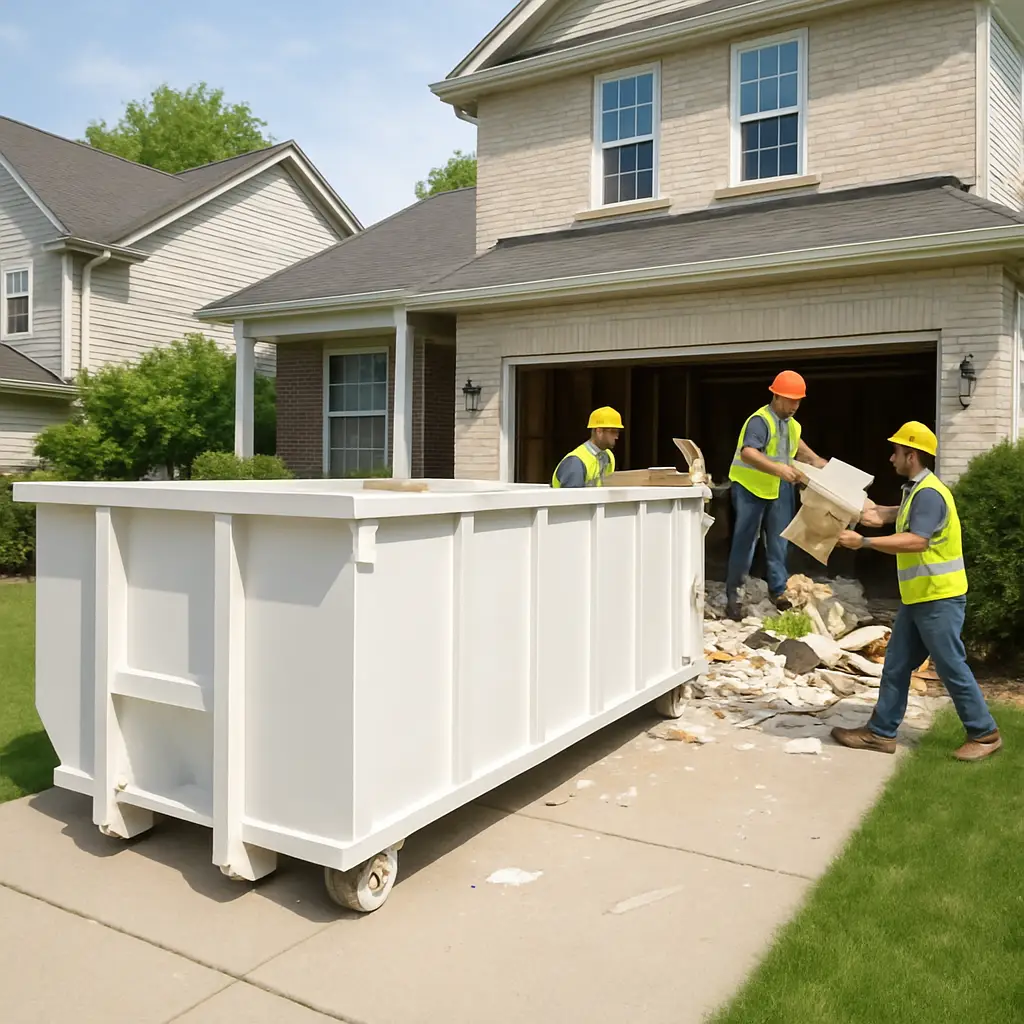
Roll-off dumpsters are the most common option for construction, large cleanouts, and major renovations. These rectangular containers are delivered on wheels and loaded from the top. They come in multiple sizes and are ideal for bulky debris like drywall, lumber, roofing shingles, and furniture.
Residential dumpsters
Residential dumpsters are sized and placed for homeowner projects. They often have smaller footprints to fit on driveways and come with shorter rental windows or tailored service plans for home cleanouts and landscaping waste.
Construction dumpsters
Construction dumpsters include heavy-duty roll-offs designed for high-density building materials. These units are suitable for job sites with frequent material removal, and some providers offer specialized containers for concrete, brick, and metal debris.

Dumpster sizes explained: 10, 20, 30, 40 yard
Choosing the right size depends on the scope of work, volume of debris, and available placement space. Here’s a quick breakdown of common sizes:
- 10-yard dumpster — Great for small cleanouts, minor renovations, and garage decluttering. Fits comfortably on driveways and in tight spaces.
- 20-yard dumpster — A versatile middle ground for medium remodels, flooring or siding projects, and moderate cleanups.
- 30-yard dumpster — Suited for larger remodels, small construction sites, and multi-room renovations.
- 40-yard dumpster — Best for major construction jobs, large-scale cleanouts, and commercial projects.
Remember: yardage tells you volume, not weight capacity. Heavy items like concrete and soil reach weight limits quickly, even if the container still looks half-empty.

Pricing guide: what affects cost
Dumpster rental price varies by region, company, and project specifics. Understanding the primary cost drivers helps you budget accurately and avoid surprise fees.
Main factors that affect cost
- Dumpster size — Larger containers cost more up front and have higher haul-away fees.
- Weight and material type — Heavy materials increase disposal fees; hazardous or prohibited items can incur fines.
- Rental duration — Most providers include a baseline rental period (e.g., 7 days); extra days may cost more.
- Location and permit needs — City or HOA permits for street placement add time and money. Remote locations might incur delivery surcharges.
- Disposal and recycling practices — Companies that sort and recycle materials might charge differently than those that send everything to landfill.
To get cheap dumpster rental without sacrificing service, compare quotes from multiple providers and look for transparent pricing that itemizes delivery, haul-away, weight allowance, and potential surcharges.

When you need a dumpster
Knowing when to rent a dumpster helps you plan before the mess becomes unmanageable. Common scenarios include:
- Home cleanouts, estate sales, or decluttering
- Kitchen and bathroom remodels
- Roof replacements and siding projects
- New construction and demolition
- Move-outs, property renovations, and landscaping overhauls
For contractors, using roll off dumpsters keeps job sites organized and improves crew productivity. For homeowners, a single staging area for waste minimizes damage to lawns and reduces multiple trips to transfer stations.

How to choose the right dumpster
Choosing wisely prevents delays and saves money. Follow these steps to pick the right dumpster rental:
- Estimate volume and weight of materials — categorize light vs. heavy debris.
- Measure placement space — ensure driveway or street placement is feasible.
- Check permit requirements — contact your city or your rental provider to confirm permits for curbside placement.
- Compare providers — look for clear pricing, on-time delivery, and proper disposal documentation.
- Ask about prohibited items — batteries, tires, certain electronics, and hazardous waste often can’t go in standard dumpsters.
Questions to ask a dumpster company
- Is delivery and pickup included in the quote?
- What is the rental period and overage policy?
- Are there weight limits and how are overages charged?
- Do you handle permits or provide permit advice?
- Where will the waste be taken — landfill, transfer station, or recycling center?
DailyDumpster is a useful resource for comparing local services, understanding permit needs, and reading practical tips about roll off dumpster use. Visit DailyDumpster for more guides and tips about dumpster rentals.
Pro Tips: get the best dumpster rental experience
- Schedule delivery for early morning to maximize site time and reduce conflict with street traffic.
- Keep hazardous and prohibited items separate — know what can’t go in a standard roll-off dumpster.
- Break down bulky items — flatten boxes, break furniture, and cut lumber to maximize space.
- Distribute weight evenly in the container to avoid tipping during transport.
- Take photos of the placement area and dumpster on delivery to avoid damage disputes.
These small steps protect your property, prevent fines, and ensure the rental company can operate safely and efficiently on pickup day.

Waste removal and sustainability considerations
Modern dumpster rental companies prioritize responsible waste removal. Ask about recycling rates for metal, wood, concrete, and cardboard. Some providers offer separated containers or partnerships with recycling centers to reduce landfill impact.
For eco-conscious projects, request documentation on where materials are taken. Proper sorting and recycling not only reduces environmental footprint but can lower disposal costs in some regions.
Tips for greener disposal
- Segregate recyclable materials on site to improve recycling rates.
- Donate usable furniture and fixtures before tossing them into a dumpster.
- Consider specialized containers for concrete, metal, or brush to avoid contamination fees.
FAQ
1. How long can I keep a rented dumpster?
Most companies include a baseline rental period (commonly 7 days). You can usually extend the rental for an extra fee. Discuss timelines up front to match your project schedule.
2. What items are prohibited in a dumpster?
Commonly prohibited items include paints and chemicals, batteries, tires, propane tanks, asbestos, and certain electronics. Check with your provider to avoid fines and hazardous disposal issues.
3. How do I find a “dumpster near me”?
Use local search terms like “dumpster rental” or “dumpster near me,” compare reviews, and request itemized quotes. Websites such as DailyDumpster aggregate options and provide guidance for local rules and pricing.
4. Can I put heavy materials like concrete in a standard roll off dumpster?
Yes, but heavy materials quickly approach weight limits. For concrete or brick, consider a dedicated container or consult your provider about per-ton charges to avoid costly overage fees.
5. Is there a way to get a cheap dumpster rental without sacrificing service?
Yes—get multiple quotes, understand what each quote includes, opt for off-peak delivery times if possible, and avoid hidden weights or prohibited materials that cause surcharges. Transparent providers will explain all fees up front.
Renting the right dumpster is a practical investment in safety, efficiency, and project clarity. With the right size, a trusted company, and a plan for sorting recyclable and hazardous materials, you reduce downtime and avoid surprise fees. Use the checklist in this article when you’re searching for a roll off dumpster or the best local operator, and remember that resources like DailyDumpster can help you compare services and learn more about permits, pricing, and best practices. A well-managed pickup and disposal process protects your site, your wallet, and the environment—so plan ahead, communicate clearly, and keep projects moving forward.