
Choosing the wrong dumpster size is one of the most common, and most expensive, mistakes in a cleanup or remodel. Too small and you pay for a second haul. Too big and you pay for air, or you may not even have room to place it. This guide explains what “yards” mean, the sizes Los Angeles-area haulers typically offer, and how to match a bin to your project.
What does “yard” mean?
Dumpster sizes are measured in cubic yards of volume. One cubic yard is a cube 3 feet long, 3 feet wide and 3 feet high (27 cubic feet). A 20-yard dumpster holds about 20 of those cubes, or roughly 540 cubic feet, when filled level to the top of the walls. Most haulers do not allow debris above the top edge, because overfilled bins can’t be legally tarped and transported.
Volume is only half the story. Each bin also has a weight allowance, and with heavy materials such as concrete, dirt or roofing you’ll usually hit the weight limit long before the bin looks full.
Common sizes and real published dimensions
Exact dimensions vary by hauler, so always confirm with yours. Here are examples published by companies that serve Greater Los Angeles:
| Size | Example dimensions (L × W × H) | Typical use | Source |
|---|---|---|---|
| 3-yard bin | about 6 × 4 × 4 ft | Small cleanups, ongoing household or business trash | BG’s Big Box Service |
| 10-yard “lowboy” | 18 × 8 × 2–3 ft | Heavy inert material: dirt, concrete, brick, tile, asphalt | Metropolis Disposal, Athens Services, Rent-A-Bin |
| 15-yard | 16 × 8 × 3 ft | Small cleanouts, general refuse | Throw and Go Dumpster Rentals |
| 20-yard | 20 × 8 × 4 ft | Medium remodels, roofing, garage or yard cleanouts | Throw and Go Dumpster Rentals |
| 25-yard | 20 × 8 × 4–5 ft | Home remodels, small demolition, yard cleanup | Metropolis Disposal, Athens Services |
| 30-yard | 20 × 8 × 6 ft | Large cleanouts, whole-home projects | Throw and Go Dumpster Rentals |
| 40-yard | 20 × 8 × 6–7 ft | Large construction, demolition, commercial cleanouts | Metropolis Disposal, Athens Services |
Notice that many of the bigger bins share the same footprint (about 20 × 8 ft) and differ mainly in wall height. That matters for placement: a 40-yard bin doesn’t need much more ground space than a 25-yard, but its taller walls are harder to load by hand.
Volume vs weight: the part people miss
Haulers price bins with an included weight and a maximum legal weight. Some published examples:
- Metropolis Disposal lists its 10-yard lowboy with 10 tons included, and its 25- and 40-yard bins with 4 tons included and a 10-ton limit.
- Throw and Go lists a 1-ton max for its 10-yard general refuse bin, 3 tons for 15-yard, 4 tons for 20-yard and 5 tons for 30-yard, and an “unlimited weight” lowboy for clean dirt and concrete.
- Rent-A-Bin lists a 3-ton limit for its 10-yard mixed lowboy.
These numbers vary a lot between companies, which is why “20-yard dumpster” alone isn’t enough information to compare quotes. Always ask: how many tons are included, what’s the price per extra ton, and what’s the maximum?
Why heavy material gets a small bin
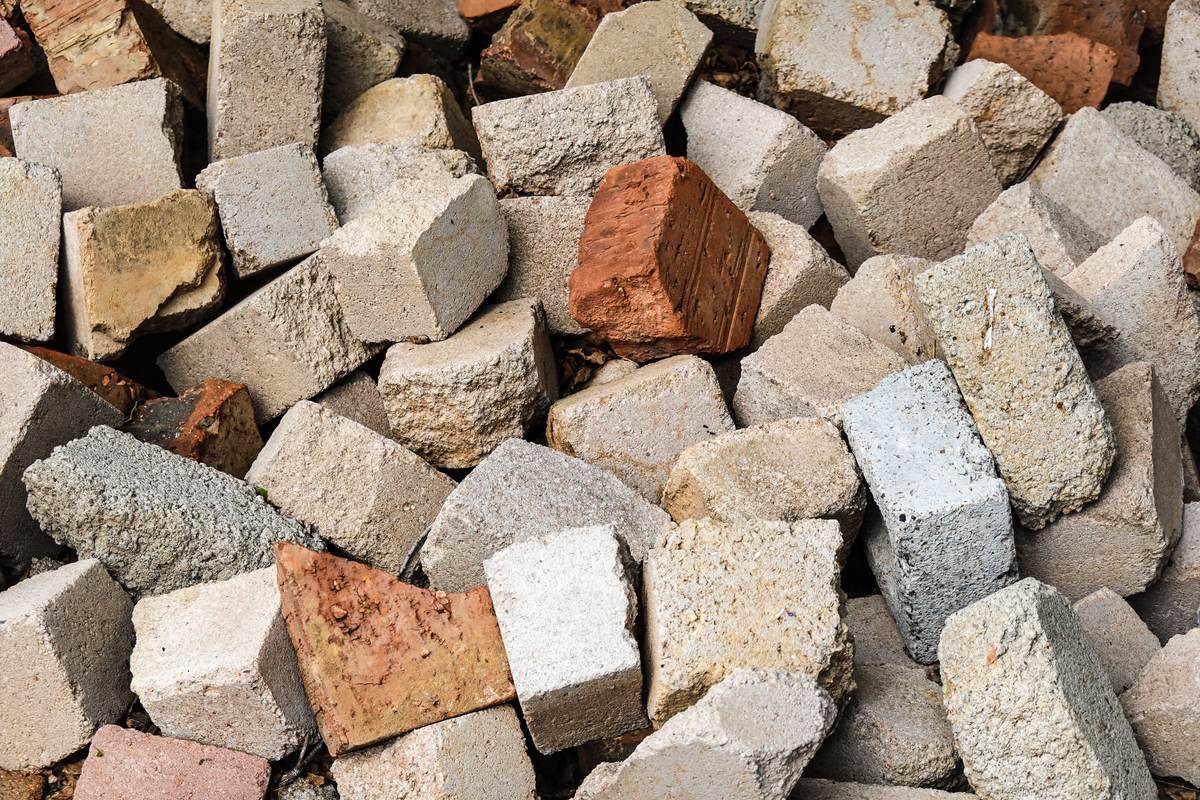
Concrete, dirt, brick, rock and tile are dense. A large bin full of them would be far too heavy for a roll-off truck to carry legally. That’s why haulers use short-walled 10-yard “lowboy” bins for inert material, and many require it to be clean (not mixed with trash or wood) so it can be recycled. Mixing trash into an inert load can turn a cheap recycling haul into an expensive mixed-debris haul. Ask your hauler how they classify mixed loads.
Matching size to project
These are starting points, not guarantees. Your volume depends on the house, the materials and how carefully you load.
- Single room cleanout or small garage: a small bin (3-yard) or a 10–15 yard general-refuse bin.
- Whole garage, attic or yard cleanup: 15–20 yard.
- Kitchen or bathroom remodel: 20–25 yard, depending on cabinets, drywall and tile. If you’re removing a lot of tile or a concrete floor, ask whether that should go in a separate lowboy.
- Roof tear-off: asphalt shingles are heavy. Many roofers use 10–20 yard bins and watch the tonnage. Tell the hauler the roof area and the number of layers.
- Whole-home cleanout or estate cleanout: 30–40 yard, or two smaller hauls.
- New construction or demolition: 40-yard for mixed debris, plus lowboys for concrete and dirt.
- Concrete, dirt, brick, pavers: 10-yard lowboy only.
Placement: will it fit?
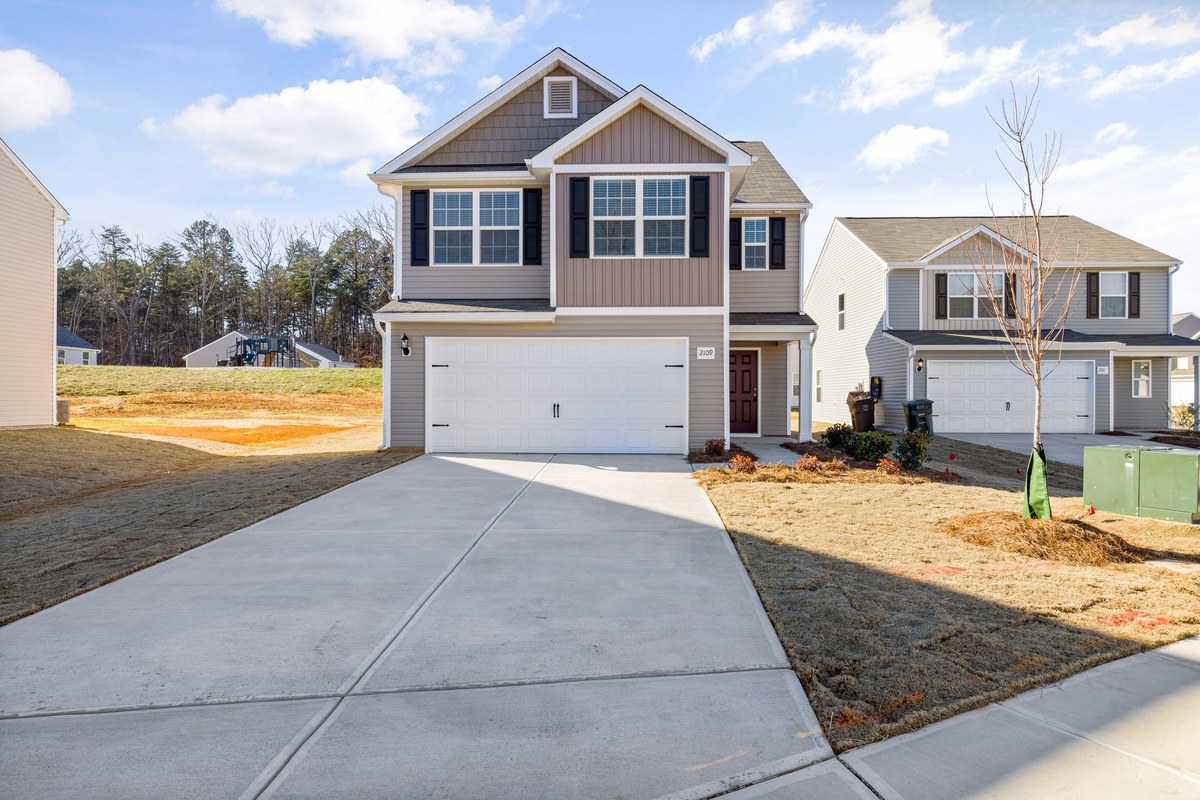
Measure before you order. A 20-foot bin needs about 20+ feet of length plus room for the truck to back in and lift. Overhead wires, trees and gates matter, too. Many LA homes have narrow or sloped driveways, especially in the hills, so ask the hauler what clearance their truck needs. If the bin must go on the street or sidewalk, you’ll likely need a permit. See our guide Do You Need a Dumpster Permit in Los Angeles?
Tips to avoid size mistakes
- Photograph your pile and send the photos to the hauler. Experienced dispatchers can estimate size quickly.
- Separate heavy material (concrete, dirt) from light debris.
- Break down furniture and cardboard to use space well.
- Load flat, heavy items first and fill gaps with smaller pieces.
- Never load above the walls.
- Keep prohibited items out: paint, chemicals, batteries, electronics, tires and similar. Rules vary, so ask.
What can’t go in any size of dumpster
A bigger bin doesn’t change what’s allowed in it. In California, many common household products are banned from the trash. CalRecycle lists items such as fluorescent lamps and tubes, LED lights and all kinds of batteries, including car batteries, among wastes banned from the trash, recycling or organics bin, along with paints, chemicals and similar products. The state’s Department of Toxic Substances Control (DTSC) adds that households must recycle “universal waste” such as most household batteries, fluorescent bulbs and electronic waste, and may not throw it away.
For City of LA residents, LA Sanitation (LASAN) points people with paint and chemicals to its S.A.F.E. Centers (Solvents, Automotive, Flammables, Electronics).
Remodeling? Size for recycling, too
If your project needs a building permit, recycling rules can affect how many bins you order. CalRecycle explains that the state Green Building Standards Code (CALGreen) requires most new construction, demolition and certain additions and alterations to recycle or salvage at least 65% of their nonhazardous construction and demolition debris. In the City of LA, the Department of Building and Safety (LADBS) applies this through the Los Angeles Green Building Code, and LASAN requires all mixed C&D debris to go to City-certified processing facilities through a permitted hauler.
In practice, that’s another reason to keep concrete, dirt and brick in a separate lowboy and to ask your hauler how they handle mixed loads. Ask your contractor or LADBS what your specific permit requires.
FAQ
What’s the most popular dumpster size?
For homeowners, mid-size bins (about 15–25 yards) cover most cleanouts and remodels. The right size still depends on your project and materials.
Is it cheaper to get one big bin or two small ones?
Usually one correctly sized bin is cheaper than two hauls, but heavy debris is the exception: it often has to go in a separate lowboy anyway.
Can I put concrete in a regular dumpster?
Many haulers don’t allow it, or charge more for it, because of weight limits and recycling rules. Ask for an inert-debris lowboy.
Can I throw old paint or batteries in my dumpster?
No. CalRecycle lists paint and batteries among items banned from the trash in California. Take them to a household hazardous waste site, such as an LASAN S.A.F.E. Center if you live in the City of LA.
Ready to compare options? Tell us about your project and we can connect you with independent local providers who serve your area. Request free quotes and compare the included tons, rental days and fees side by side. Questions about this guide? Contact us.
Sources
- Metropolis Disposal: dumpster sizes and weight terms, metropolis-disposal.com (accessed Oct 27, 2026)
- Athens Services: roll-off dimensions, athensservices.com
- Throw and Go Dumpster Rentals: sizes and ton limits, throwandgodumpster.com
- Rent-A-Bin: 10-yard lowboy specs, rent-a-bin.com
- BG’s Big Box Service: container sizes, bgsbigboxservice.com
- CalRecycle: Wastes Banned From the Trash, calrecycle.ca.gov
- CalRecycle: C&D Diversion Informational Guide (CALGreen 65% requirement), calrecycle.ca.gov
- DTSC: Hazardous Waste Information for Households, dtsc.ca.gov
- LADBS: Green Building & Sustainability, dbs.lacity.gov
- LASAN: C&D Recycling Program, sanitation.lacity.gov
Daily Dumpster is an information site, not a hauler. Specifications are quoted from providers’ public pages and may change. Confirm with your provider before booking.