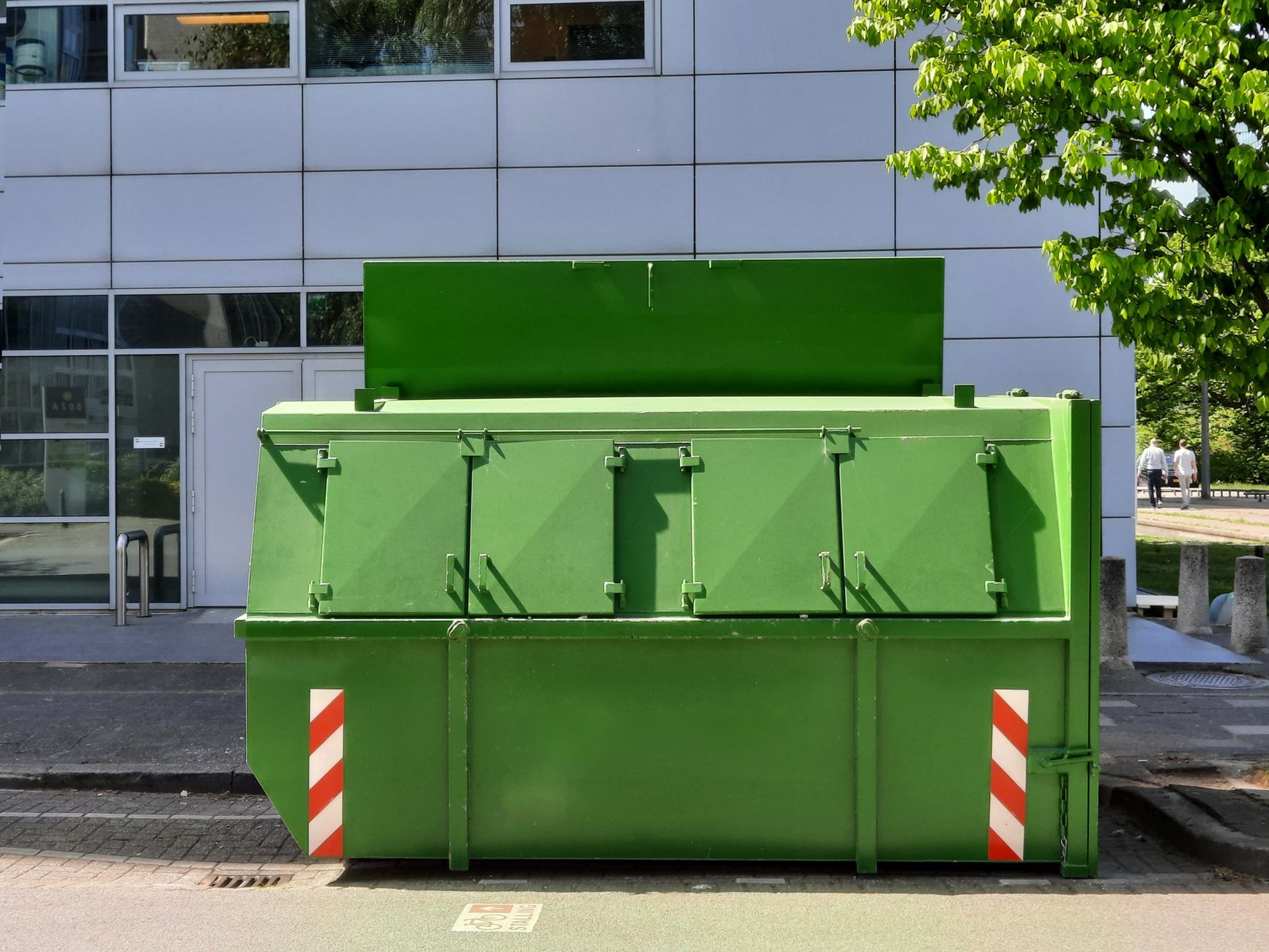
By seven-thirty the air along Sunset Boulevard tasted like citrus and old tar. A giant steel mouth sat curbside in front of Marisol’s bungalow in Echo Park, its paint flaking like a weathered postcard. Neighbors peered from porches. A child’s bicycle leaned against the chain-link. I could hear a jackhammer rumbling two blocks over and, beneath that, the hum of the city arranging itself for another day. “Do we really have to get rid of all of it?” Marisol asked, folding a curtain she had stitched in a previous life. The dumpster seemed to answer with a metallic echo.
Setup: Plans, Permits, and People
Marisol was preparing her house for an open-house that she hoped would lure young creatives looking to trade cramped Silver Lake studios for a small yard and sunlight. She’d hired Ramon, a contractor from Burbank, to gut an awkward back room and turn it into a proper studio. The calendar read: demolition on Monday, stash-everything-on-weekend, list-on-Redfin-by-Thursday. The dumpster was central to the plan—an honest, blunt instrument that would make months of clutter disappear in a week.
Picking a dumpster for Los Angeles is less about brute force and more like choreography. There are size choices (10-, 20-, 30-, 40-yard), placement rules that differ between neighborhoods, and a tangle of city permits if the bin sits on public property. “For curbside placement within Los Angeles city limits, you’ll usually need a street permit,” Ramon told her as he wiped sawdust from his sleeves. “But if it’s in front of your private drive or on a private lot, you’re often okay—still check with LA Sanitation though. In Santa Monica or Long Beach, they run their own show.”
Rising Action: The Dumpster Becomes a Character
The dumpster arrived with a low, decisive thud and a scent that mixed rainwater and old rubber. It was bigger than Marisol expected. “Will it swallow the couch?” she asked, eyeing a mid-century sofa that had lived through five roommates and two breakups. Ramon grinned. “It eats couches for breakfast.” A neighbor across the street, an elderly man named Harold who’d lived in Echo Park long enough to remember horse troughs, came out with a paper cup of coffee. “You kids making a movie?” he said. It was the small-town feel lodged inside the metropolis.
Within hours the house filled with the tactile soundscape of a cleanout: hammering, shuffling, the soft thud of boxes hitting steel, occasional laughter, and the conversations that reveal more than just logistics. “We should separate the metal,” said a young helper from Culver City, lifting an old lamp base. “There’s a scrapyard in Long Beach that’ll pay for clean copper—and it’s better for the landfill to keep out recyclables.” They improvised sorting stations by the garage: wood, metal, recyclables, and a separate pile for hazardous items—old paint cans, a rusted gas can, batteries. Awareness about what not to toss into a dumpster is crucial: electronics, tires, fluorescent bulbs, and chemicals often need special handling at hazardous waste facilities, like the LA County public works collection events or neighborhood drop-offs.
Key Insights Woven Through the Story
As the day lengthened and the pile in the bin grew, Ramon explained practical lessons in plain terms. “Dumpster sizes are about volume and weight,” he said, balancing a doorframe piece on his forearm like he’d done this a thousand times. “A 10-yard is great for a small bedroom cleanout. 20-yards is what most homeowners pick. For full renovations or big cleanouts—think whole-house flips—you’re looking at 30 or 40 yards. But weight matters more when it comes to cost. Concrete, tile, and dirt pack pounds fast.”
He walked me through permitting specifics with anecdotes that made the bureaucracy feel human. “Hollywood’s a special case—if you’re blocking a filming route or loading zone, the permit office will call you. In Pasadena they’re picky about pickup times because of the historic neighborhoods. Culver City may require a separate traffic plan if you’re on a busy corridor. Always tell your dumpster company where you’re putting it; they can usually pull the permit for you.” He handed Marisol a printed estimate: rental duration, overage charges, weight limits, and a pickup window for the following week.
Ramon also emphasized safety. “Keep loads below the side rails,” he said. “Don’t climb inside. Wear gloves, goggles, and a dust mask when dealing with materials that kick up particulates. And stack heavier items low and toward the center so it won’t shift during transport.” Little practical rules like closing paint lids, taping sharp edges, and folding cardboard to save space made the operation feel like a carefully choreographed ballet rather than a crude dump-and-run.
Turning Points: Neighbors, Noise, and Negotiations
Not everything went smoothly. Around noon a city inspector from the Bureau of Street Services appeared, clipboard in hand. The dumpster sat half on the sidewalk. “You need a permit within city right-of-way,” she said, not unkindly. Ramon apologized, pulled his phone, and within an hour the company had processed a permit electronically. Marisol watched, hands in her pockets, feeling embarrassed and relieved. The inspector’s smile softened when Harold offered her coffee. “It’s not personal,” she said. “We get a lot of calls about blocked sidewalks. We just make sure everyone can pass.”
Another interruption came from the neighbors on the other side—young parents from Silver Lake who were anxious about noise and safety. Ramon invited them to help move hazardous items into a locked storage shed. “We’ll tape things up and label them. We’re not dumping anything dangerous into the roll-off,” he promised. Such small acts of transparency often defused tensions in Los Angeles neighborhoods where boundaries are both literal and emotional.
Practical Advice Hidden in the Action
Between driving a refrigerator into the dumpster and coaxing an old mattress through the gate, more practical tips came up. If a curbside placement is necessary, book the dumpster in advance—peak seasons (spring cleanouts, post-holiday, and summer renovation windows) book fast. Ask the rental company about drop-off windows, same-day delivery options in cities like Glendale or Torrance, and whether they provide protective plywood if the dumpster will sit on a delicate driveway. Get a written list of prohibited items and a firm estimate of weight allowances—exceeding them can add surprise fees.
For businesses in downtown Los Angeles, Venice, or Culver City contemplating a commercial dumpster, Ramon suggested coordinating pickups—early-morning runs reduce disruption. He also highlighted the value of recycling and salvage: “We try to pull doors, salvage fixtures, and set aside metal for the recycler in Long Beach. Not only does it lower landfill weight, it can offset costs.” If in doubt about where specific items should go, LA Sanitation & Environment and local transfer stations publish lists and schedules for recyclables and hazardous waste drop-offs.
Resolution: The House Breathes Again
By late afternoon, dust had settled into the grooves of the hardwood floors and the dumpster’s interior lay exposed like a miniature canyon of sorted lives: stacks of cardboard, a pile of salvaged copper, an armchair with a repaired seam that Ramon swore he’d refinish, and a fragile box of photographs that Marisol insisted on keeping. The open house would still require staging and paint, but the house finally had air. Marisol stood on the porch, letting the light of a Los Angeles evening wash over the street. “It feels like exhaling,” she said. The dumpster, having performed its duty, would be picked up the next morning and hauled away to be emptied, its contents destined for transfer stations, recycling centers, or—when unavoidable—landfills like Sunshine Canyon. Ramon checked the pickup on his app and gave a thumbs-up.
There was a small victory in the mundanity: a neighbor who’d been resistant helped Marisol carry a lamp across the threshold. Harold waved as the truck departed and the sky over Echo Park bloomed in a sunset only LA could manage—pale pink light over the Hollywood Hills, traffic lights blinking awake below.
Takeaway: What to Remember and Do
The dumpster on Sunset Boulevard was more than a metal container; it was a tool for transformation and, oddly, community. If you’re facing a cleanout in Greater Los Angeles—be it in Santa Monica, Glendale, Pasadena, Long Beach, or Venice—remember these things: choose the right size and account for weight, separate recyclables and hazardous waste, check local permitting if it will sit in a public right-of-way, wear protective gear, and communicate with neighbors. Use a reputable rental company that can advise on permits and pickup windows and consider salvage or donation for items that still carry life.
When the rental truck disappeared into the evening, Marisol and her neighbors stood on the curb swapping small stories about items they had moved. Ramon leaned on the fence and said, “You’d be surprised how often people find something they forgot they loved while they’re throwing everything else away.” In that way the dumpster did more than remove debris; it revealed what mattered. The house looked different already: lighter, quieter, ready for the next life to be imagined.
As the city moved on—lights flicking on in Burbank studios, a skateboard wheel clattering through Venice alleys, and a theater marquee glowing in Hollywood—Marisol locked her front door with a small, private grin. The dumpster had arrived as an instrument of demolition and left as the first step toward renewal. Outside, the night swallowed the distant sound of a truck, and somewhere over the hills, the skyline burned like a promise.