The first time Maria saw the dumpster on her block in Echo Park, she thought it was a mistake. It sat like a metallic island in the middle of the morning haze, painted an honest industrial gray, humming with the muffled clank of old nails, carpet fibers, and a whiff of stale paint. A gull cried somewhere over the hills. Across the street, her neighbor, Mrs. Alvarez, banged pots in disapproval while a teenager from the coffee shop peered from under a beanie, curiosity written in the curl of his smile. “Did you order that?” he asked. Maria, holding a rolled blueprint and a ringing phone, realized the dumpster was the beginning—and not the end—of everything she had been sweeping under rugs for years.
Setup: From Gut Renovation to Neighborhood Chatter
It started simple enough: knock out a wall, open the kitchen to light, replace the leaky windows that let ocean air and freeway grit in equal measure. Maria wanted to breathe new life into the bungalow she had inherited from her grandmother, who had loved crepe myrtles and black coffee. She hired a crew in Culver City, ordered tiles from a shop in Burbank, and texted her contractor, Luis, who answered with a string of practical emojis and one steady line: “We need a dumpster. Size? Placement? Permit?”
Renting a dumpster in Los Angeles is more than choosing a bin and a date. Los Angeles is a quilt of neighborhoods—Echo Park, Highland Park, Santa Monica, Long Beach, Pasadena—each with its own rules, each with a different rhythm. Maria learned the hard way that a roll-off parked on a narrow Silver Lake street could spark a neighborly feud, while a curbside placement in West Hollywood might require a permit and days of waiting. She felt like a conductor learning a new score, every measure a potential change in tempo.
Rising Action: A Symphony of Trucks, Permits, and City Smells
The first truck arrived late on a Thursday, horns in the distance, diesel odor mingling with the sweet decay of citrus trees. Victor, the driver, climbed down from his cab like a man accustomed to negotiating chaos. He thumbed his chin and said, “Where do you want it? Driveway? Curb? Be careful with the stucco—it’s older than me.” His voice was a gravel road you’d want to drive slowly.
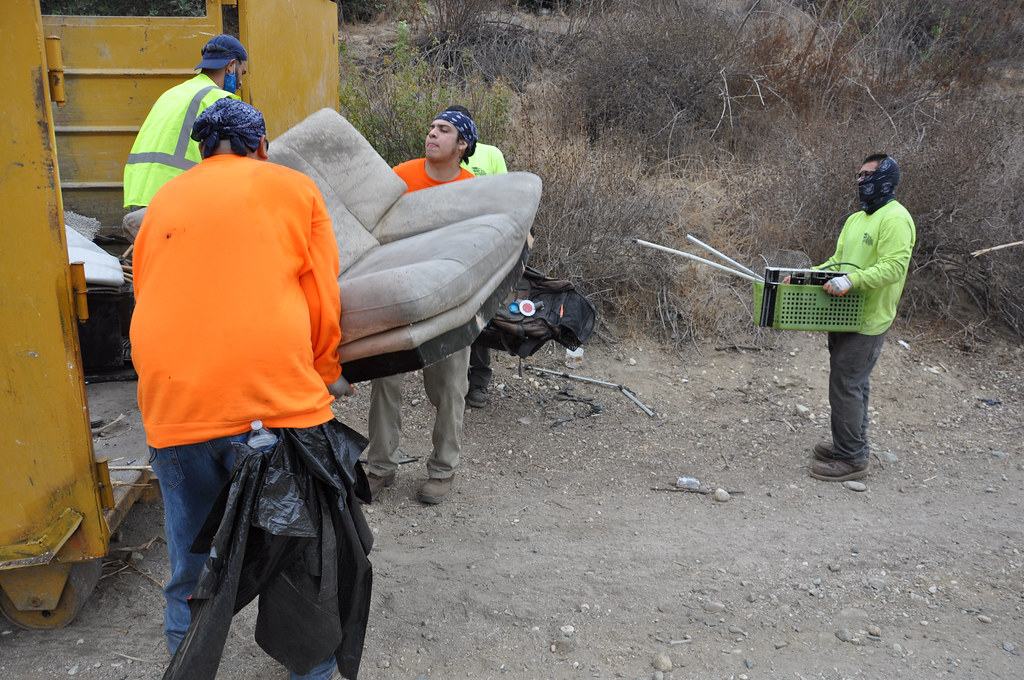
They placed a wooden plank across the driveway to protect the pavers. Luis began tossing plaster and cabinets into the bin in a rhythm that felt almost ceremonial: a crash, a clatter, a sigh. The dumpster took on the smell of old coffee grounds from an abandoned pantry, the resinous bite of formaldehyde from laminate, and the earthy dampness of a removed palm frond. Mrs. Alvarez watched from her stoop and shook her head. “You better recycle the glass, niña,” she scolded, though she offered Maria tamales the next day when the sun made her arms tired.
Permits became the first climax of tension. A city inspector in Pasadena—stern, clipboard in hand—told Maria that street placement in her zone would require a temporary parking permit and a small fee to the city. “It’s to cover signage and cone placement,” the inspector said without malice, just authority. In Van Nuys, Victor mentioned weight limits—”Concrete, brick? That’s a different conversation. Two tons and they’ll charge extra.” On the phone, a dispatcher in Long Beach explained transfer station schedules in a cadence that sounded like practice: “We try to avoid Monday mornings because the scale lines are longer.”
Key Insights Woven into the Story
As the dumpster filled, Maria learned the practical language of waste. Dumpster sizes were not just numbers; they were promises. A ten-yard bin looked small but handled heavy bags well for a bathroom demo. A twenty-yard roll-off became the neighborhood magnet for bulky furniture after Luis tore out the old built-ins. Thirty and forty-yard containers were the beasts: perfect for large home reno projects, but unwieldy on a narrow cul-de-sac. “Measure your stuff, and then add a safety margin,” Victor advised, tossing a weathered tape measure onto the top of a stack of dry wall. “People underestimate cubic yards all the time.”
She discovered that placement mattered for more than convenience. Driveway placement protected the flow of traffic but could damage a vintage drive; curbside placement looked easier but often required a permit from the city—Santa Monica and West Hollywood were particularly strict about public right-of-way. Plywood under the container, soft straps for lowering, and clear communication with the driver reduced the odds of scuffed stucco or a scratched bumper. Maria learned to ask for proof of insurance from the hauler, a quiet reassurance for a homeowner who had seen a truck hit a low telephone wire two blocks over.
Disposal was another lesson in local geography. Not every hauler took all materials. Landfill and transfer station rules meant that oils, batteries, and hazardous waste had to go elsewhere—often to specific hazardous waste collection days hosted by city programs in Torrance or Glendale. Concrete and dirt could lead to overage fees because of weight. Recycling centers in Long Beach and Miramar handled metal and electronics, while mattress recycling programs existed in some parts of LA but not others. “Sort now, save later,” Luis said once, wiping sweat from his brow as he separated a pile of copper pipes from broken cabinetry. “Those recyclers give you back a clean conscience and sometimes cash. Plus, less weight on the bin.”
Costs unfolded like a map with many tolls. Rental periods, hauling distances, tonnage, and disposal fees were the major players. Same-day or emergency pickups carried premiums. A clear, written agreement with pick-up windows, overfill policies, and tipping fees kept confusion at bay. Victor’s final insight, offered while he tightened a strap, was simple and practical: call early, schedule smart, and always ask about prohibited items. “If you throw in a paint can that wasn’t dry, you might turn our truck into a chemistry experiment,” he joked, then added, “We really don’t want that. And the city will fine the homeowner if hazardous materials are found.”
Resolution: A House, a Street, and a New Rhythm
The dumpster left a week later with a final clink that sounded like closure. Maria stood in the doorway of her renovated kitchen, watching the truck disappear down the block, the city folding back into its usual symphony of sirens, skateboard wheels, and the distant, steady roar of the 110. Sunlight poured across the new countertops in a warm, forgiving sweep. The scent of lemon oil mingled with a trace memory of sawdust, and for the first time since she had inherited the house, Maria felt the space belonged to the present.
Neighbors who had once grumbled came by with casseroles and paint color suggestions. Mrs. Alvarez hugged Maria and said, “It was all worth it, chica. You turned that big mess into light.” The teenage barista from down the street came back, genuine, to see the new open shelf where he could imagine cluttered jars and cookbooks. Even Victor returned briefly to make sure no nails had been left in the yard, and he nodded approvingly at the tidy pile of recyclables stacked for pickup. In Long Beach, the transfer station had taken the heavier debris without drama; in Santa Monica, a small separate run had collected the hazardous items. Everything that could be diverted from landfill had found a better place.
Takeaway: The Practical Heart of a Mess Well Managed
This story about a dumpster is not only about hauling away junk. It’s about how cities shape the mechanics of change, how the smell of sawdust and warm tar can feel like hope, and how a rented metal box can become the vessel for transformation. If you’re standing in front of a renovation, an estate clear-out, or a community cleanup in greater Los Angeles—whether in Pasadena, Glendale, Torrance, Inglewood or by the ocean in Santa Monica—remember the small choreography that makes the process run smooth:
- Measure twice, choose the right dumpster size, and add room for surprise.
- Ask about permits for curb placement in your specific neighborhood; each LA city has its nuances.
- Protect surfaces with plywood and confirm insurance and pickup windows with your hauler.
- Separate hazardous waste, electronics, and recyclables early to avoid fines and extra fees.
- Plan for weight, especially with concrete and soil—these items can change your bill dramatically.
- Communicate with neighbors and crews; the louder the conversation, the smoother the morning.
What you should remember most is how small practical choices—where to park a dumpster, whether to schedule a weekday pickup, whether to sort metal from wood—can change both the price tag and the story that you tell about your project. Maria’s bungalow did not simply shed debris; it shed excuses. The dumpster, once an eyesore, became a visible pledge that change was possible, tangible in the way tools met wood and the way sunlight moved across a newly open kitchen.
On the last evening, Maria sat on her stoop with a cup of coffee and listened to the city exhale. The skyline glowed, a smear of gold beyond the palms. Somewhere near the pier, the ocean breathed against the shore; sirens faded into conversation. Her street was cleaner than it had been, not because of a single dumpster, but because people had shown up, sorted things out, and kept promises. The final image was simple and precise: a house with its windows reflecting the sun, a bowl of tamales on the kitchen table, and the soft echo of a truck engine disappearing into the Los Angeles light.