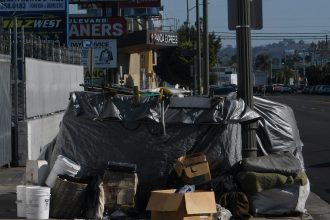
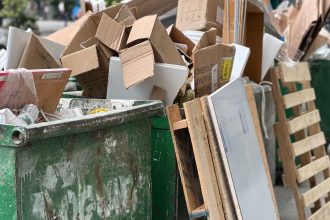
The first time I watched a dumpster arrive at midnight in Echo Park, it felt like watching a steel whale beach itself on a cobblestone shore. Its hulking silhouette rolled up under a spill of sodium streetlight, tires hissing on the wet asphalt, and a man in an orange vest climbed down and tapped the metal like a conductor cueing an orchestra. By morning, neighbors had transformed worry into ritual — an old couch disappeared, boxes of winter clothes found new homes, and a battered coffee table got one last close-up against a backdrop of jacaranda blooms.
Setting the Scene: Why a Dumpster Became the Neighborhood Hero
Los Angeles is a collection of towns stitched together by freeways, palm trees, and stories of reinvention. From the film-glossed streets of Hollywood to the fog-laced cliffs of Malibu, spaces in the Greater Los Angeles Area are always in flux. Homes are remodeled in Highland Park, apartment buildings rise in downtown LA, and beach houses in Santa Monica shed furniture as storms approach. Amid all that change, dumpster removal services act as the quiet workhorses that turn chaos into order—one curbside bin at a time.
Meeting the Characters: The Homeowner, The Contractor, The Driver
On a bright Tuesday in Culver City, I followed Maya, a furniture restorer who was turning her garage into a small studio. “We need something big enough for old drywall and a piano we couldn’t move three summers ago,” she said, rubbing sawdust from her forearms. Her contractor, Raul, suggested a 20-yard roll-off. “If you’re keeping the driveway clear, you’ll want a permit for the street,” he warned.
Then there was Darnell, the driver with a voice like gravel and a laugh that made you think he’d spent too many nights on the 405. “You ever seen a piano go into a dumpster?” he asked, and before we could answer he shook his head, smiling. “LA is full of surprises. Beverly Hills homeowners are picky about placement; in Long Beach we watch for low branches; in Malibu we talk wildfire defensibility before we drop anything flammable.”
Rising Action: When Plans Meet Reality
Not everything goes as planned. In Pasadena, a family renovating a Craftsman forgot to reserve a curb permit. The dumpster was ready, but the space in front of their house was a tangle of delivery trucks and moving vans. A neighbor called the city, and suddenly the quiet arrival turned into a lesson in municipal choreography: phone calls, an online application, a fee, and a flurry of texts. The dumpster finally settled in place under a sky the color of old film stock.
Meanwhile, up north in Santa Monica, a coastal condo board refused a roll-off on the street because of HOA rules. The homeowners had to negotiate placement in a private alley, timing the drop for low foot traffic. “We had to coordinate with the pier event and a farmers market,” one resident said. “It’s a little like planning a heist.”
Key Insights Woven into the Story
As we moved from neighborhood to neighborhood, useful truths emerged organically. Dumpster size matters: small cleanouts often use 10-yard bins; medium renovations and whole-home declutters ask for 20-yard containers; major construction or demolition typically requires 30-40 yarders. In Venice and West Hollywood, narrow streets mean smaller roll-offs or drop-off/pick-up alternatives.
Then there are permits. In Los Angeles proper, anyone placing a dumpster on the street must check with LADOT for a Temporary Street Occupancy permit. Cities such as Long Beach, Torrance, and Inglewood have their own rules; sometimes you need a permit from the public works department, sometimes a special insurance endorsement. Cost? Expect a range: permit fees can be negligible in some districts and a hundred dollars or more in others, plus a refundable deposit in a few beachside municipalities.
There are also disposal rules to remember. Hazardous materials—paint, solvents, asbestos, certain electronics—cannot go into standard dumpsters. Contractors in Burbank and Glendale often have separate containers for hazardous waste and recyclables. Many companies now offer green disposal options; recycling is routine in Santa Monica and Long Beach, where local ordinances incentivize diversion from landfills.
Tension: Timing, Noise, and Neighborhood Politics
One hot afternoon in Hollywood, a dumpster dropped earlier than the crew had promised. “The smell of wet wood and dust woke my baby,” a nearby tenant told Maya, frowning. Noise complaints can ripple quickly—especially in dense corridors like Koreatown or West Adams. Drivers learn to be diplomatic: they call ahead, they place protective boards under metal to silence screeches, and they stagger drop-offs to avoid blocking peak traffic hours.
And then there’s the weight of community image. In Beverly Hills, placement is discreet and coordinated to keep sightlines clean. In Inglewood, after a community cleanup, neighbors felt a shared pride watching a series of dumpsters fill with decade-old junk: a refrigerator, hundreds of empty paint cans, and an entire room’s worth of abandoned toys. “It felt like we were taking back a little piece of our street,” one volunteer said, smiling as the sun leaned into an evening shadow.
Practical Advice Embedded in Scenes
While Raul measured out the bin in Torrance—”20 yards fits most mid-size remod jobs, but call for exact dimensions,”—he offered a running commentary. Place the dumpster on stable ground, he advised. If you have to put it on a driveway, protect the surface with plywood sheets to prevent gouges. If curb placement is chosen, calculate the space for opening a car door and the path of the truck that will pull the dumpster away—trucks need room to lift and tilt without clipping light poles or bougainvillea.
Cost transparency is another theme. “We quote flat rates that include drop-off, a seven-day rental, and pickup,” Darnell explained one afternoon in El Segundo. “Extra days cost more, and overages for weight happen when people pile soil, concrete, or heavy appliances. If you think you’ll have a lot of heavy stuff, let us know upfront so we can schedule a larger dumpster or a different truck.” He shrugged and added, “And don’t toss batteries or old paint—those go to hazardous-waste days, not the bin.”
Human Stories: Community Cleanups and Small Business Revivals
In Compton, a block party turned civic action. A local non-profit organized a free dumpster drop, and by dusk the air smelled of fried empanadas and fresh-cut cedar. Old mattresses, busted chairs, and forgotten bicycles lined up like a secondhand parade. “It’s amazing what people hold on to until you give them a date to let go,” said the organizer, wiping sweat with the back of her hand.
Across town, a small furniture maker in Glendale used a dumpster to clear decades of scraps and turned the freed-up space into a workshop. “We used to spend more time moving junk than making chairs,” she said. The first batch of stools came out the week the dumpster left—simple, sturdy, and smelling of fresh varnish.
Resolution: The Last Load
At dusk in Long Beach, the final pick-up of a week-long job became a quiet ceremony. The truck’s hydraulic arms hummed, metal screeched, and with a low mechanical sigh the dumpster tipped. The driver checked the load, tapped the side, and nodded. “Looks good,” he said. “Everything went where it needed to go.” The dumpster rolled away, its taillights blinking a slow heartbeat, leaving behind a cleared slab of concrete and the smell of salt air mixing with sawdust and oil.
Takeaway: What to Remember and Do
If you take one thing home from these stories of alleys and permits, it’s this: planning is liberating. Call ahead for sizes and permits. Separate hazardous materials and recyclables. Protect your driveway. Communicate with neighbors if the drop will impact parking or noise. Ask your hauler about green disposal options—many companies in Santa Monica, Long Beach, and Los Angeles prioritize recycling and reuse, reducing what goes to Sunshine Canyon and other landfills.
And emotionally, accept that letting go is a tangible act. A rolled-up loveseat, an old rug, a box of child-sized shoes—each item that leaves your property makes room for what’s next. For the family in Pasadena, it was a new kitchen island. For Maya, the emptied garage became a studio humming with sanders and handplanes. For a whole street in Compton, it was the feeling that they had, briefly, reclaimed space for community life.
When the last truck in that week’s rotation slipped under a purple-pink sky by the Palos Verdes cliffs, you could almost hear the city exhale. Palms swayed against the light, and the empty driveway glinted like a promise. Somewhere between the sound of the closing tailgate and the distant pulse of traffic on the 405, a neighborhood had been made a little cleaner, a little kinder, and a little more ready for whatever came next.
On the drive back through Torrance and down into Redondo Beach, the headlights carved ribbons across asphalt. Darnell hummed an old tune, and the radio caught the last chords as if to say: in Los Angeles, even the smallest acts—sweeping a porch, clearing a garage, setting a dumpster in place—are parts of a larger story. The city keeps changing, and with every emptied bin comes a fresh space for life, work, and the next story waiting to be built.