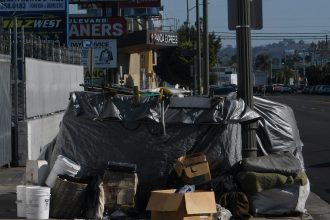
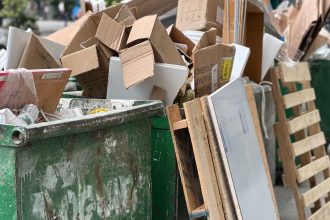
Maya smelled coffee and fresh-cut lumber before she saw the truck. It was an early July morning in Echo Park, the sun a hot coin rising over the hills, and the alley behind her client’s Victorian house was already a tapestry of cardboard, plaster dust, and hand-scuffed shoes. A steel rectangle waited at the curb—an empty dumpster that looked heavier than the stack of drywall piled beside it. ‘You sure we have clearance?’ she asked, watching a pigeon pick at a rag on the roofline. The driver shrugged, climbed down from the cab, and with a clink of keys and a practiced smile said, ‘I move mountains for a living. This is just another hill.’ That short exchange would become the rhythm of a week that took them from Silver Lake to Santa Monica, through Koreatown and down to Long Beach, revealing the hidden logistics and small dramas behind every debris-hauling job in Greater Los Angeles.
Setup: A Job Too Big for the Backseat
The project started like most renovation stories: an ambitious homeowner named Luis wanted a bright new kitchen, a contractor named Maya wanted to stay on schedule, and a permit mix-up threatened to derail both. They were working on a narrow Silver Lake lot where street parking was a competitive sport and the sidewalk was framed by a row of lemon trees. Neighbors had already texted complaints about noise at 6 a.m., and the city’s strict regulations on street-placed containers meant Maya couldn’t simply drop a dumpster and hope for the best.
‘We need a twenty-yard for the demo—maybe a thirty, depending on what comes out of those cabinets,’ Maya told Ramon, the driver from a small local hauler who’d been navigating LA’s alleys for twenty years. Ramon inspected the entrance, measured with an old tape, and tapped the bumper with the back of his hand as if testing a piano string. ‘We can squeeze a thirty here, but if that neighbor’s truck stays… we’ll have to move it to the next block. You’ll need a permit from LADOT, and Santa Monica’s rules are different—if any of this were on Ocean Avenue, they’d make us float the permit for two weeks.’ The list of cities—Silver Lake, Echo Park, Koreatown, Santa Monica—would not just be destinations but obstacles with their own languages and demands.
Rising Action: The Narrow Streets of Regulation and Time
The week stretched forward like a tightrope. Maya coordinated demo crews; Ramon coordinated the truck. They learned early that size mattered in more than one way. A ten-yard dumpster was agile, practical for a single-room overhaul in West Hollywood or a garage cleanout in Pasadena. A forty-yard behemoth was better for major gut jobs in Burbank or warehouse cleanups near the ports in San Pedro. But the bigger the bin, the more you had to plan for placement, permits, and neighborhood patience.
On day three, the true test came. A delivery van double-parked in Koreatown, right where Ramon had planned to set the bin. Fingers tapped phones; voices rose. ‘We have a permit for tomorrow morning,’ Luis said, voice tight. Ramon took a breath and walked across the street to speak with the van driver. He returned thirty seconds later with a shrug and a coffee stain on his trucker’s cap. ‘He thought he’d be five minutes. We’ll wait till he moves, or we’ll shift the placement to the driveway. Angels sing louder when you move a piano and leave no scratch.’ Maya laughed, but the clock ticked. Waste piles don’t respect calendars, and every hour the dumpster sat idle added cost to the bill.
Then there were the smells—sawdust sweet as fresh bread, the metallic tang of old nails, the sourness of water-damaged drywall. In Venice, where a separate beach project had them balancing a dumpster just out of the sand, an ocean breeze carried salt and sunscreen into the open bin. The sensory details were more than atmosphere; they were clues. A musty odor could mean mold; that triggered a different disposal pathway and additional fees. A pile with insulation required a hazardous-materials check. Ramon squinted at a yellowed roll of cloth batting and said, ‘We don’t mix this in with the regular load. I call it out, we bag it, we handle it differently.’ It was a small line in a big plan, and it kept the project from becoming a regulatory mess.
Key Insights: What the Streets of LA Teach About Dumpster Removal
As the days layered into one another, Maya learned to read the city like a map of constraints and opportunities. Here are the practical lessons that came out of living the job:
‘Know your sizes,’ Ramon said, balancing a hand on the dumpster’s edge. ‘Ten-yard for small jobs, twenty for kitchen or small remodels, thirty for single-home gut jobs, forty for full demolition or commercial sites. Always overestimate a little. That last twenty boxes of tile will surprise you.’ Size influences placement; tighter streets like those in Silver Lake and Echo Park often need smaller bins or private driveway placement, while industrial areas in Vernon or San Pedro can take larger containers with fewer constraints.
‘Permits are city-specific,’ Maya added, rubbing a smear of plaster from her forearm. ‘Los Angeles City requires LADOT permits for street placement. Santa Monica follows its public-works rules and can be stricter about hours and public access. Long Beach has different weight limits near the port. It’s not one-size-fits-all.’ She kept a small folder of contact numbers: LADOT, Santa Monica Public Works, Long Beach Public Works, Pasadena’s City Hall, and the Department of Sanitation for disposal rules. Each office meant a 9-to-5 rhythm and sometimes a phone menu that felt intentionally long.
Material matters. Concrete, dirt, and rock hit weight limits fast. Paint, motor oil, batteries, asbestos, and certain chemicals are prohibited in standard dumpsters and require hazardous-waste handling. Recyclables—metal, cardboard, and clean wood—can often be separated and routed to different facilities, saving money and the planet. Ramon favored local transfer stations and recycling yards; Maya learned to ask if a hauler had partnerships with donation centers for usable fixtures and appliances.
Price is a puzzle: volume, weight, rental duration, permit fees, and distance to the landfill all factor in. ‘If you’re swapping a dumpster in Hollywood for one in Long Beach, you’re paying for time on the road when we could be loading,’ Ramon explained. Demand spikes around weekends, holidays, and construction booms can push prices up. Booking ahead, clarifying drop-off times, and scheduling back-to-back pickups help contain costs.
Resolution: An Alley’s New Quiet
By the last day, the Echo Park alley looked like a different neighborhood. The piles were gone, replaced by a handful of households sweeping dust into neat piles, the lemon trees undisturbed. Ramon backed the truck in with a soft rumble, the hydraulic lift taking the weight of weeks as if it were nothing. Neighbors waved—some had grumbled early in the week, others had come to enjoy the sense of order returning to their block. Luis hugged Maya, cheeks flushed with triumph and relief. ‘We did it. And the neighbors didn’t hate us in the end,’ he said, half-joking.
‘That’s the thing about this city,’ Ramon said, wiping a smear of sweat from his forehead. ‘Everyone’s busy. Everyone’s protective of their bit of pavement. If you show up with respect, papers in order, and you clean up after yourself, they’ll let you pass. And they’ll probably point you to the best taco truck while you’re at it.’ He laughed, and someone from a nearby stoop called out the name of a taco stand two blocks over—a small victory parade for a team that moved more than trash; they moved tranquility back into the neighborhood.
Takeaway: What to Remember and Do
The week in Greater Los Angeles taught Maya pragmatic habits that any homeowner or contractor should remember. First, plan: choose the right dumpster size and schedule drop-off and pick-up times to minimize extra days on site. Second, check with your city: LADOT for Los Angeles, Santa Monica Public Works for Santa Monica, Long Beach Public Works for Long Beach, and local authorities for Pasadena, Glendale, and other municipalities. Third, sort ahead: separate recyclables and donations, bag hazardous materials, and avoid overloading the bin with weighty materials like concrete without notifying the hauler. Fourth, compare quotes and ask about recycling partnerships and disposal facilities to reduce environmental impact and often save money.
Most importantly, keep the human element in play. Talk to your hauler. Ramon had become a de facto neighborhood diplomat because he listened, adapted, and kept the promises he made. ‘A dumpster is just a box,’ he said on their last coffee break, ‘but it carries people’s livelihoods and memories. Treat it with care and you’ll sleep easier.’ That sentiment—respect for the city, the rules, and the people—was the quiet lesson that outlived the pile of wood and drywall.
As evening fell over Los Angeles, the emptied dumpster reflected a strip of sky like a small black mirror. A garbage truck hummed in the distance, palm fronds whispered in a breeze that smelled faintly of the ocean, and the city rolled on with its familiar mix of grit and glamour. Maya locked the job folder into her van, and the crew walked toward the taco truck Ramon had promised. Luis stayed a moment longer on his stoop, watching the light soften over the hills. ‘We made space,’ he said to himself, smiling. For a city that continuously reinvents itself, making space is as meaningful as making things—clean, organized, and ready for the next idea.
The day ended with the simple image of the emptied dumpster sitting patient and still by the curb, a small gray monument to a week of logistics, conversations, and the slow work of turning chaos into calm. The city around it breathed a little easier, taco steam rising into the cooling air, while a few stars blinked awake above the skyline like distant guiding lights.