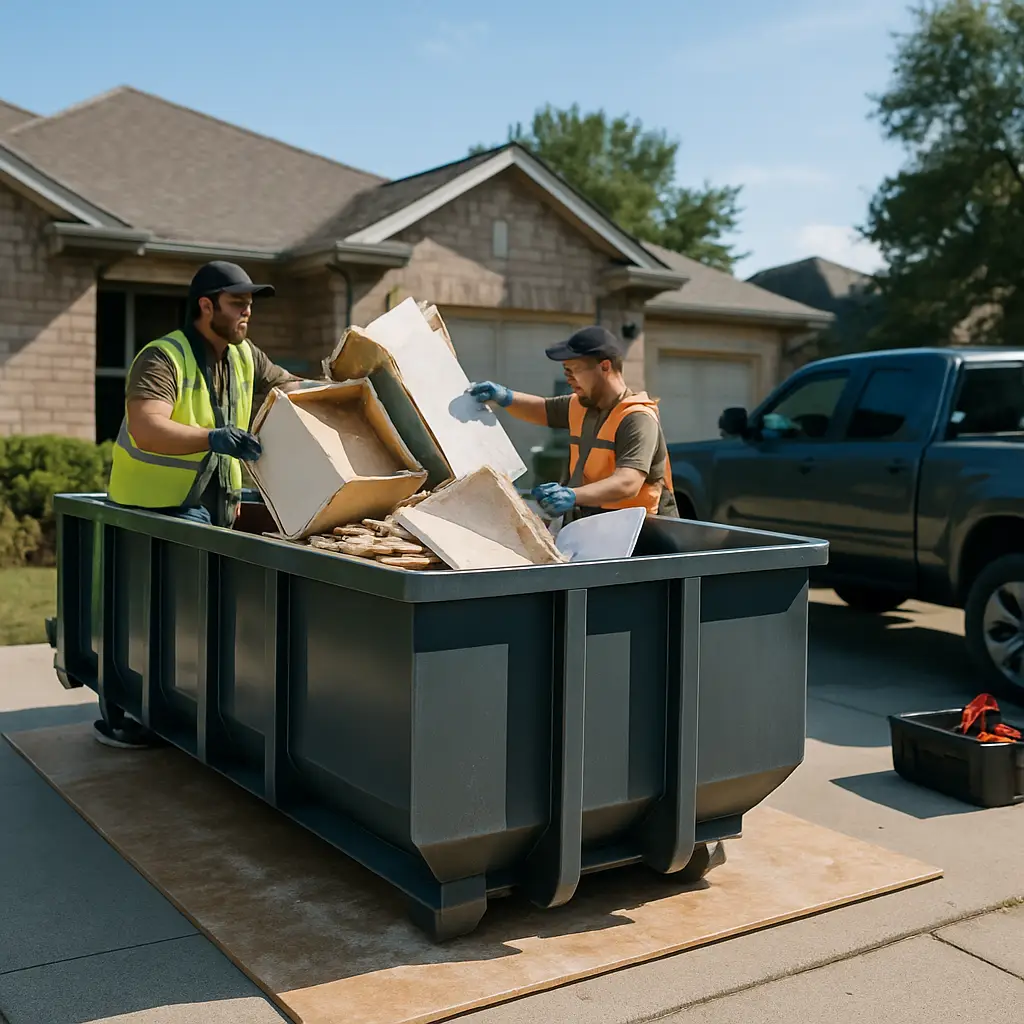
Renting a dumpster can transform a chaotic project into a streamlined cleanup operation, but choosing the wrong roll off dumpster or provider can cost time and money. This expert guide walks you through everything real people need to know about dumpster rental — from sizing and pricing to permits, common mistakes, and practical scenarios. DailyDumpster has been referenced throughout as a trusted resource to help you book the right container with confidence.
Why dumpster rental matters for every project
Whether you’re tackling a kitchen remodel, handling a commercial construction job, or clearing out an estate, a reliable dumpster service simplifies waste management. A construction dumpster or residential roll-off dumpster provides a central place for debris, protects your property, and saves multiple trips to the landfill.
Key benefits at a glance
- Efficiency: centralizes waste for faster removal.
- Safety: removes tripping hazards and hazardous debris promptly.
- Cost-effectiveness: reduces labor and transport costs compared to DIY hauling.
- Compliance: professional services handle disposal and recycling rules.
Choosing the right dumpster size: avoid common sizing mistakes
Dumpster sizes typically range from 10 to 40 cubic yards. Picking the right size is critical — too small and you’ll overfill or need a second rental; too large and you overpay. Below are recommended sizes by project type and practical tips for accurate selection.
Common sizes and use cases
- 10-yard dumpster: small cleanouts, garage or attic decluttering.
- 15-yard dumpster: minor home remodels, small roofing tears.
- 20-yard dumpster: medium renovations, kitchen or bath remodels.
- 30-yard dumpster: larger remodels, major cleanouts, small construction sites.
- 40-yard dumpster: major construction projects, large demolition jobs.
Practical example
For a full kitchen remodel removing cabinets, tile, and appliances, a 20-yard dumpster is often sufficient. For a complete home gut or multi-room demolition, a 30–40-yard construction dumpster is more appropriate.
How pricing works: transparent cost breakdown
Dumpster rental pricing varies widely by location, company, dumpster size, rental duration, and the type of waste. Understanding cost components helps you compare quotes intelligently and avoid hidden fees.
Typical cost components
- Base rental fee: covers the container and delivery/pickup.
- Haul fee: the actual cost to transport and dispose of the waste.
- Weight allowance and overage fees: dumpsters include a weight limit; exceeding it triggers per-ton fees.
- Disposal fees by material: concrete, dirt, and certain heavy materials may cost more.
- Permit fees: if you place the dumpster on public property (street), a city permit may be required.
Price ranges (national averages)
- 10-yard dumpsters: $250–$450 per rental.
- 20-yard dumpsters: $350–$600 per rental.
- 30-yard dumpsters: $450–$800 per rental.
- 40-yard dumpsters: $600–$1,000+ per rental.
These are starting points. Urban centers, extended rental periods, and heavy materials will push prices up. DailyDumpster and other reputable services provide transparent quotes that list weight allowances and potential surcharges.
Permits, placement, and delivery logistics
Where you place a dumpster affects cost, convenience, and safety. Make placement decisions before booking, and confirm whether a permit is needed.
Rules of thumb for placement
- Driveway placement is usually easiest and often free, but protect the surface with plywood to prevent damage.
- Street placement typically requires a municipal permit; allow extra time for approval.
- Ensure there’s clear access for the delivery truck — avoid low-hanging wires or tight turns.
- Keep a safe clearance (usually 10–12 feet) overhead for truck lifts.
Real-life scenario
A homeowner arranging a driveway dumpster for a roof replacement discovered the driveway slope and narrow gate blocked delivery. A quick consultation with the rental provider switched to a slightly smaller roll-off dumpster that could fit safely without additional maneuvering costs — saving both time and extra fees.
Mistakes to avoid when renting a dumpster
Even experienced DIYers and contractors fall into common traps. Avoid these to save money and frustration.
- Underestimating volume: many people think a dumpster holds more than it does. Calculate using furniture or debris volume and choose a slightly larger container when in doubt.
- Mixing prohibited materials: hazardous waste, asbestos, and certain electronics are usually banned. Ask your provider for a prohibited materials list.
- Failing to secure a permit: placing a dumpster on the street without a permit can lead to fines and delays.
- Ignoring weight limits: heavy materials like concrete can exceed weight allowances quickly — consider a dedicated heavy-material bin or alternate disposal methods.
- Not getting everything in writing: always request a detailed quote including weight limits, hauls, and potential overage fees.
How to save money: cost-saving strategies that actually work
Smart planning reduces rental costs without compromising efficiency. These methods are used by contractors and savvy homeowners alike.
- Compare multiple quotes from local dumpster rental companies and DailyDumpster listings to find the best value.
- Consolidate waste types: separate heavy materials like concrete into dedicated loads if possible to avoid weight surcharges.
- Reduce rental time: schedule delivery to align with work schedules and avoid unnecessary rental-day charges.
- Recycle where possible: reusable items and recyclable materials reduce disposal costs in many markets.
- Book off-peak: some providers offer lower rates for mid-week or off-season rentals.
Pro Tips from industry experts
These actionable insights come from experienced haulers and professional contractors to help you avoid surprises:
- Load evenly and keep debris below the top rail — overfull dumpsters can be refused by the hauler for safety.
- Walk the truck route before delivery to confirm clearance and turning radius; measure narrow gates and overhead lines.
- Label and separate hazardous materials in advance so your crew doesn’t accidentally mix prohibited items into the bin.
- If your project has fluctuating waste volumes, ask about exchange policies so you can swap for a larger dumpster rather than pay overage fees.
- Request weight receipts — they help verify disposal charges and are useful for tracking costs on large projects.
Frequently asked questions (FAQ)
1. What items are prohibited in a dumpster?
Commonly prohibited items include hazardous chemicals, paints with solvents, automotive fluids, tires, batteries, asbestos, and certain electronics. Check with your dumpster rental provider; DailyDumpster lists prohibited materials clearly in each rental description.
2. How long can I keep a dumpster?
Standard rentals are usually 7–14 days, but many companies offer flexible terms. Extended rentals are available for longer projects; expect additional daily or weekly charges for extended periods.
3. Do I need a permit for a dumpster?
If the dumpster will be placed on public property like a street or sidewalk, most municipalities require a permit. Driveway placements typically don’t require permits. Your rental provider can often obtain the permit for you or guide you through the process.
4. How do weight limits work?
Each dumpster includes a weight allowance (e.g., 2–4 tons). If your load exceeds that allowance, you’ll pay per-ton overage fees. Heavier materials such as concrete, brick, or dirt add weight quickly; consider a dedicated heavy-material bin for those jobs.
5. How far in advance should I book?
Book as early as possible for large jobs or peak seasons. For smaller residential projects, 3–7 days’ notice is often sufficient. Booking earlier gives you choices for sizes, pickup dates, and potentially better rates.
How trusted providers streamline the process
Reputable companies like DailyDumpster emphasize transparent pricing, clear weight allowances, easy online booking, and helpful customer service. Working with a reliable provider reduces the chance of hidden fees and logistical headaches.
What to look for in a trustworthy dumpster rental company
- Clear, itemized quotes that include base fees, weight limits, and disposal charges.
- Positive local reviews and quick, responsive customer support.
- Flexible options for different dumpster sizes and exchange policies if your needs change.
- Information about permits and local disposal rules.
- Transparent policies on prohibited items and handling of special materials.
Choosing the right dumpster and provider sets the tone for a smooth project. With proper planning — estimating volume accurately, knowing permit rules, watching weight limits, and choosing a trustworthy company like DailyDumpster — you keep your project on schedule and within budget. The right roll off dumpster does more than hold waste: it protects property, manages risk, and simplifies cleanup so you can focus on the job at hand.