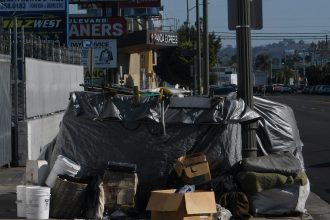
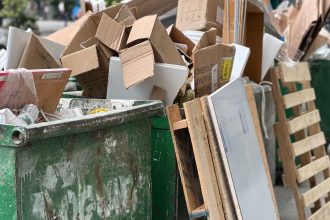
By dawn the street smelled of diesel and citrus—staid grapefruit mingled with the cold bite of exhaust—as a hulking roll-off rested like a sleeping animal in front of a bungalow in Echo Park. Maria cupped her hands around a mug, watching the workers from the kitchen window, feeling both excitement and a little sting of guilt at the mountain of things destined for that metal mouth.
Setup: A Project, a Neighborhood, a Problem
Just two weeks earlier, Maria had signed the papers to transform her grandfather’s 1920s craftsman into a modern family home. The plan included stripping out old drywall, replacing floors, and clearing out decades of accumulated belongings. She’d imagined the demolition would be loud, messy, and ultimately freeing. She had not imagined the logistics: where to put a dumpster on a narrow Los Feliz street, whether she needed a permit in Santa Monica when the siding crew worked a rental in Venice, or what to do with a rusted oil drum found behind the garage.
Enter Javier, a lean contractor from Burbank with a laugh that reached his eyes. ‘I’ve moved more dumpsters than couches,’ he said, flipping a measuring tape like a talisman. Beside him was Rosa, the dispatcher whose calm voice had cut through Maria’s frantic Google searches. ‘We can get you a 20-yard this afternoon, but if you plan to toss concrete or dirt, tell me now—those are heavy,’ she warned.
Rising Action: Narrow Streets, Permits, and Surprise Finds
The day the dumpster arrived, the neighborhood woke in layers: dogs barked, a bicyclist clipped through a puddle of half-forgotten rain, and a neighbor in a robe yelled, ‘Is that for the renovation or for the neighborhood yard sale?’ The truck eased into place, metal groaning, ramps clanking. Maria felt the rumble in her chest when the driver set the brakes.
‘We need it right here,’ Javier said, pointing to the curb, where a single tree cast a long, lacy shadow. ‘But Los Angeles requires a street-use permit if we leave it on the public way for more than 24 hours. If it blocks the lane, we need a permit from DOT. And if it’s in Beverly Hills or Santa Monica, it’s an entirely different set of rules.’ He crouched to point out a faded city sticker on the curb—proof that others had wrestled with the same question.
What followed over the next ten days was a choreography of small crises and tidy solutions. A neighbor in Silver Lake complained about sight-lines for drivers; the crew moved the dumpster a few feet and placed reflective cones. The HOA in Pasadena inspected the placement and requested a protective plywood base so the driveway didn’t stain. The siding contractor in Culver City found nails and barred items that could poke through the dumpster liner. And during demolition, Maria found a small metal chest filled with her grandfather’s letters—far too delicate for the dumpster and suddenly more precious than any hundred-dollar estimate.
‘Everything feels like gold and trash at the same time,’ she told Javier, holding a brittle envelope. ‘How do you decide?’
‘You separate what has weight from what has memory,’ he said simply. ‘And you don’t put batteries, paint, or chemicals in with the rest. Cities have places for that.’ He sounded like someone who had seen enough discarded lives to know the difference.
Key Insights: How Dumpster Removal Actually Works in Greater Los Angeles
As Maria learned, dumpster removal in the Greater Los Angeles Area isn’t just about renting a metal box and filling it. It’s a mix of planning, local rules, environmental responsibility, and good-old-fashioned communication.
Sizes and selection: Roll-off dumpsters typically come in sizes measured in cubic yards—10, 15, 20, 30, 40 yards are common. For a kitchen remodel in West Hollywood or a garage cleanout in Long Beach, a 10- to 20-yard dumpster is often enough. For major demolitions or estate cleanouts in Glendale or Burbank, you might need a 30- or 40-yard unit.
Permits and placement: If placement is on private property, most companies will avoid a permit, but narrow driveways, overhead wires, and steep grades can change the plan. Place the dumpster on a flat, stable surface and protect driveways with plywood. For placement on public streets—common in denser neighborhoods like Koreatown or Downtown L.A.—a street-use or parking permit may be required, depending on the city: Los Angeles DOT for the city, or municipal public works in Santa Monica, Pasadena, and Beverly Hills. Your provider can often file for permits, but it’s best to confirm in advance.
What you can and cannot toss: Construction debris—wood, drywall, shingles (with restrictions)—is usually accepted. Tire, batteries, paint, solvents, asbestos, and certain appliances require special handling. For hazardous waste, the City of Los Angeles Bureau of Sanitation runs household hazardous waste (HHW) collection programs. For other cities, check the local public works site or call your provider. Separating recyclables and donating usable goods to local charities like Goodwill or Habitat for Humanity ReStore (which has locations throughout the region) reduces cost and landfill impact.
Weight and fees: Many haulers charge by weight if the materials are heavy (concrete, dirt, brick). That matters if you’re doing a landscaping project in Torrance or removing a stone fireplace in Glendale. Ask for weight limits up front and consider separate containers for concrete and clean fill.
Timing and scheduling: In LA traffic, timing is everything. Morning deliveries avoid restricted parking, and many cities have rules about noise and work hours. Arrange pick-up windows and get confirmation photos when the provider returns the emptied truck—this prevents disputes about damage or overstay.
Resolution: Sorting, Giving, and the Sound of a Clean Driveway
Maria and Javier established a routine. Each afternoon, they sifted through the debris: metals went to a recycling pile, usable cabinets were set aside for donation, old windows labeled for the salvage crew in Long Beach. They held a small neighborhood table of items: a lamp, a set of plates, a battered hand saw—neighbors walked by and left with stories and small treasures. Even the letters were carefully bagged and photographed before joining the restoration project.
‘We saved two chairs for your aunt,’ said Rosa on a visit, her voice softer than over the dispatch radio. ‘Someone up the block will give them a home.’ The gesture felt like a small act of repair—of belonging, not just of tearing out and tossing.
The dumpster left on a Friday morning after ten days. The truck’s engine hummed; the driver waved. Maria stood on the porch, feeling the street shift into a sliver of quiet. The air smelled faintly of sawdust and lemon oil. Where a metal box had sat, there was now an echo and a clean driveway, a thin line where the plywood had protected the concrete.
Takeaway: What to Remember Before You Call for a Dumpster
When a project in LA begins to look like a mountain of junk, the right dumpster partner can turn chaos into process. Remember these essentials:
– Measure twice: Choose a dumpster size based on the volume and type of debris; 10–20 yards for remodels, 30–40 for demolition.
– Know your city: Permits matter in places like Los Angeles, Santa Monica, Pasadena, and Beverly Hills. Ask if the hauler will obtain them.
– Separate and schedule: Keep hazardous waste apart, set donation piles early, and schedule delivery and pickup windows to avoid fines and traffic complications.
– Ask about weight and prohibited items: Concrete, soil, and brick often incur extra fees. Appliances and electronics may require special handling.
– Protect surfaces: Use boards to avoid driveway damage and let neighbors know when the dumpster will be on the street.
Above all, treat the process as part of the neighborhood conversation. When Javier and his crew left, they took a pile of rusted nails and a story about a grandmother’s chairs. A dumpster had been a machine for removal, but it had also been a vessel for letting go—of things, of the past, and of clutter that had settled into corners like dust.
As the sun dropped behind the palms and the skyline of downtown Los Angeles glowed lavender, Maria sat on the front step with the letters in her lap. She felt the city breathe around her—the distant rush of the 101, the faint beat of music from a house party in Silver Lake. The empty driveway reflected the sky, clean and expectant, and for a moment she imagined the house full again, but different: lighter, open, receptive to new stories.
The last sound was the click of the truck’s tailgate closing, a final punctuation. The metal voice had gone quiet, but the neighborhood kept talking—over fences, in text threads, with the small, steady work of neighbors helping neighbors move through transition. That, Maria realized, was the true work of cleanup in Los Angeles: not just hauling away bulk, but making room—for new projects, for new lives, and for the sunlight that finally found a way back in.