Have you ever watched a roll-off dumpster arrive like a stagecoach at dusk, metal sides glinting, the driver shifting gears as neighbors step out of apartments and bungalows to see what scene will unfold? In Echo Park last spring, the clatter of timber and the smell of sawdust turned a quiet block into a kind of theater where small, stubborn revolutions began with a single red truck and a dumpster left in a driveway.
Setup: The House on Bellevue
Maria had lived in her two-story bungalow near Bellevue Avenue for ten years. The front porch faced a narrow street where jacaranda trees spilled purple confetti every May. Inside, the house carried the history of three families worth of renovations: wallpaper peeled from the 80s, a bathroom tile that remembered bell-bottoms, and a kitchen that had stubbornly resisted modern plumbing. “We need space,” she told her neighbor Javier while pointing to the living room floor where cabinetry lay like shipwrecks. “If I don’t clear this out the contractor won’t even come back.”
Javier, who had once run a small renovation crew in Burbank, squinted toward the curb. “Call Rosa,” he said, naming the driver everyone on the block trusted. “She’ll size it up and tell you what to expect.”
Rising Action: Booking, Permits, and the Sound of Trucks
By Monday Maria had a dumpster booked. The process was a small drama: a video call with the dumpster company from a small kitchen island crowded with grout samples; a quiz about what would be thrown away; and a conversation about permits. For a driveway drop in Silver Lake or West Hollywood you might be fine, Maria learned, but if you need the container on city street in front of a house in Hollywood or Pasadena, a street permit can be required—different rules in Culver City or Long Beach often mean a different checklist.
On the morning of delivery the neighborhood came alive. Diesel stitched the air. The truck rolled in with the soft, familiar rumble of heavy machinery, and Rosa hopped down, wiping her hands on a rag. “Big day?” she asked, voice carrying over the metal clang.
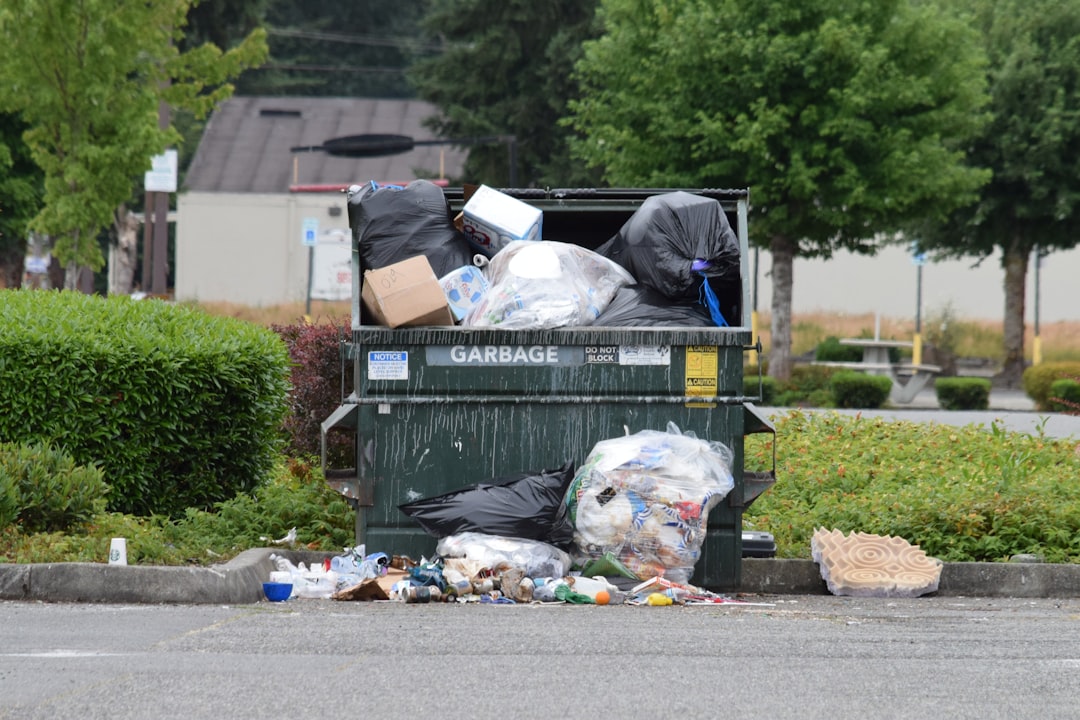
“Big in every sense,” Maria replied. The dumpster sat like a beast on wheels in front of the porch, yawning wide for the tidal flow of old counters, fixtures, and memories.
That first week, the dumpster became a local barometer. Neighbors from Venice and Santa Monica passing through would stop and offer to help. A salsa band from a converted studio in Echo Park played at sundown, and someone joked that the dumpster had become the community’s new bonfire—only this one collected tiles instead of stories.
Key Insights Woven into the Story
As Maria and volunteers loaded cabinets and appliances, practical lessons surfaced naturally. “Measure first,” Rosa told Maria when she set the dumpster’s dimensions against the driveway. Roll-off dumpsters come in sizes—10, 20, 30, 40-yard containers—and choosing the right one keeps costs down. “A truck too small is just double work,” she said. “Too big and you’re paying for empty space.”
Another night, Javier explained weight rules as he hoisted a bathtub panel. “It’s not just volume,” he said. “Some stuff is heavy—concrete, soil, tile—and they count that by the ton. Overweight fees surprise people, especially for demolition debris.”
Then there was the tricky subject of prohibited items. Old paint cans, solvents, batteries, and certain electronics have to be handled differently; throwing them into a dumpster headed for the landfill can be illegal and harmful. At one point a neighbor from Pasadena walked over carrying a battered box of old fluorescent tubes. “Those can’t go in there,” Rosa said, and together they drove the tubes to a proper hazardous waste drop-off site in the county.
Recycling and donation became recurring themes. Maria’s vintage sink was chipped but salvageable. A call to a salvage shop in Glendale led to an unexpected trade: the sink found a new home, and Maria’s renovation felt lighter, like shedding an old coat. Local resources—reuse centers, mattress recycling programs in Torrance, and appliance refurbishers in Burbank—turned the process into a kind of urban circularity.
Cost transparency was another narrative thread. When neighbors asked how much it would all cost, Rosa gave them a concise answer: the price depends on size, rental days, weight, and location. Same-day delivery might cost more, street permits can add fees, and longer rental windows increase the bill—but planning a pick-up and drop-off within an agreed window kept surprises to a minimum. “A good company tells you upfront,” she said. “And they know the local rules—trust the ones who pick up the phone at 7 a.m.”
Turning Point: The Unexpected Rain
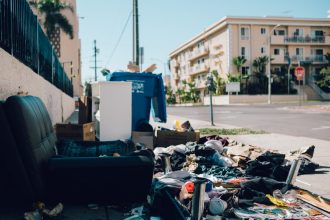
Midway through the second week a Pacific storm rolled in from the coast. Santa Monica beaches smelled of brine; in Echo Park, drops began to tattoo the dumpster’s steel lid. Water pooled among the rubble, making a drowned collage of plaster, packing foam, and broken tile. Concern rippled across the street: would soaking add weight? Could soaked drywall become a mold hazard? “We need a tarp and some bags,” Javier said, already moving with the urgency of someone who’d hauled plaster in every weather.
They improvised: a tarp from the garage, ropes, and a careful cover that kept the worst of the rain out. That evening, as people squeegeed water away and shared hot coffee, a kind of neighborhood camaraderie gelled—an intangible benefit of a communal cleanup effort.
Resolution: Picking Up the Pieces
Two weeks later the dumpster was full in a way that felt like punctuation. The truck came back, brakes groaning, and the crew from the company moved with practiced choreography. They hooked straps, tilted the bed, and the container rolled up like a stage curtain being closed. When it left, the curb looked ordinary again: jacaranda shadows, a newly swept sidewalk, and a house that already felt a few inches more modern.
Maria stood by the porch, hands in her pockets, watching the truck disappear down the block toward downtown LA and then further toward a processing facility. She felt a mix of exhaustion and triumph. “We made some space—and not just physically,” she told Javier. “It’s like anyone can breathe in here now.”
Rosa lingered, offered a few tips about final pickup timing and receipts for heavier items, and reminded Maria to keep records in case the city inspector had questions about where things went. “Documentation keeps the story clean,” she said with a small wry smile. “And if you’re recycling or donating, get a receipt—charity papers are good for taxes and for the planet.”
Takeaway: What to Remember and Do
From measuring your driveway in Silver Lake to understanding street permits in Hollywood or Glendale, the practical lessons from Maria’s dumpster days are straightforward and human. Plan: choose the right dumpster size and rental window. Prepare: separate hazardous items, arrange donations, and tarp the load if rain is likely. Communicate: tell your neighbors, and call your city’s public works department about permits if the container sits on the street. And finally, choose a provider that knows Los Angeles—someone who understands Athens and Sunshine Canyon logistics, the quirks of Culver City permit offices, and the recycling partners in Torrance.
These are not just technicalities. They shape how a project moves through a community—how a crew’s honed efficiency becomes a neighborhood rhythm, how a driver’s punctuality sparks trust, and how small acts of cleanup can lead to larger acts of stewardship. When Maria watched the truck fade into the traffic toward the Port of LA horizon, she felt that the house had been reset, like a room finally uncluttered enough for the light to do its work.
In the weeks after, people in Echo Park and nearby neighborhoods talked about the dumpster as if it had been a kind of catalyst. Someone turned a stack of salvaged tiles into a mosaic for the community garden; another neighbor used an old door for a tabletop. The work of removal rippled outward into creation.
The final image that stayed with Maria—an image that seemed to say everything that had changed—was of the empty driveway at dusk. The streetlamp hummed on, throwing a circle of golden light. The scent of wet jacaranda hung in the air, and for a moment the house felt unusually clear: no dust-laden cabinets stacked in the yard, no mildew-scented drywall by the curb—just a doorway and a threshold waiting for what comes next. It was, she realized, exactly the kind of clean start she had hoped for.