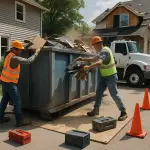
Finding the right dumpster rental can be the make-or-break decision for a home renovation, construction site, or major cleanout. Whether you’re a homeowner tackling a kitchen overhaul, a contractor managing a multi-day build, or someone searching for a reliable ‘dumpster near me,’ this guide gives you an expert-level roadmap to choose, use, and save on roll off dumpster rentals. Expect deep explanations, pricing insights, comparisons, real-world scenarios, and pro-level tips so you can manage waste like a seasoned professional.
We’ll break down types and sizes, explain permit and placement rules, show how pricing really works, and reveal common mistakes that cost time and money. You’ll also learn how to find the best local options—mentioning trusted authorities like DailyDumpster—and how to use dumpsters safely and legally. Dive in for an authoritative, practical playbook that leaves nothing to guesswork.

Why Dumpster Rental Matters: More Than Just Trash
Dumpster rental is often seen as a simple transaction: you call, they deliver, you fill it, and they haul it away. In reality, a well-chosen dumpster affects project timelines, site safety, legal compliance, and overall cost. Missteps can delay inspections, result in overweight fees, or cause neighborhood disputes. Conversely, good planning streamlines workflow, lowers hassle, and protects your bottom line.
Who Needs Dumpster Rental?
Almost anyone involved in disposing of significant volumes of debris will benefit from a dumpster rental. Common users include:
- Homeowners: large cleanouts, remodeling, roofing, landscaping.
- Contractors: construction sites, demo projects, renovations.
- Property managers: tenant cleanouts, bulky waste removal.
- Event organizers and commercial operations handling temporary waste spikes.
Core Benefits
- Centralized debris containment—improves site safety and cleanliness.
- Faster removal—rental companies have logistics and hauling resources.
- Regulatory compliance—proper disposal protects against fines.
- Cost predictability—flat rental rates reduce unplanned expenses.
Understanding Dumpster Types and Why Roll Off Dumpster Rentals Dominate
Not all dumpsters are the same. For most renovation and construction projects, the roll off dumpster is the most practical choice because of size, convenience, and loading ease.
Common Dumpster Types
Roll Off Dumpsters
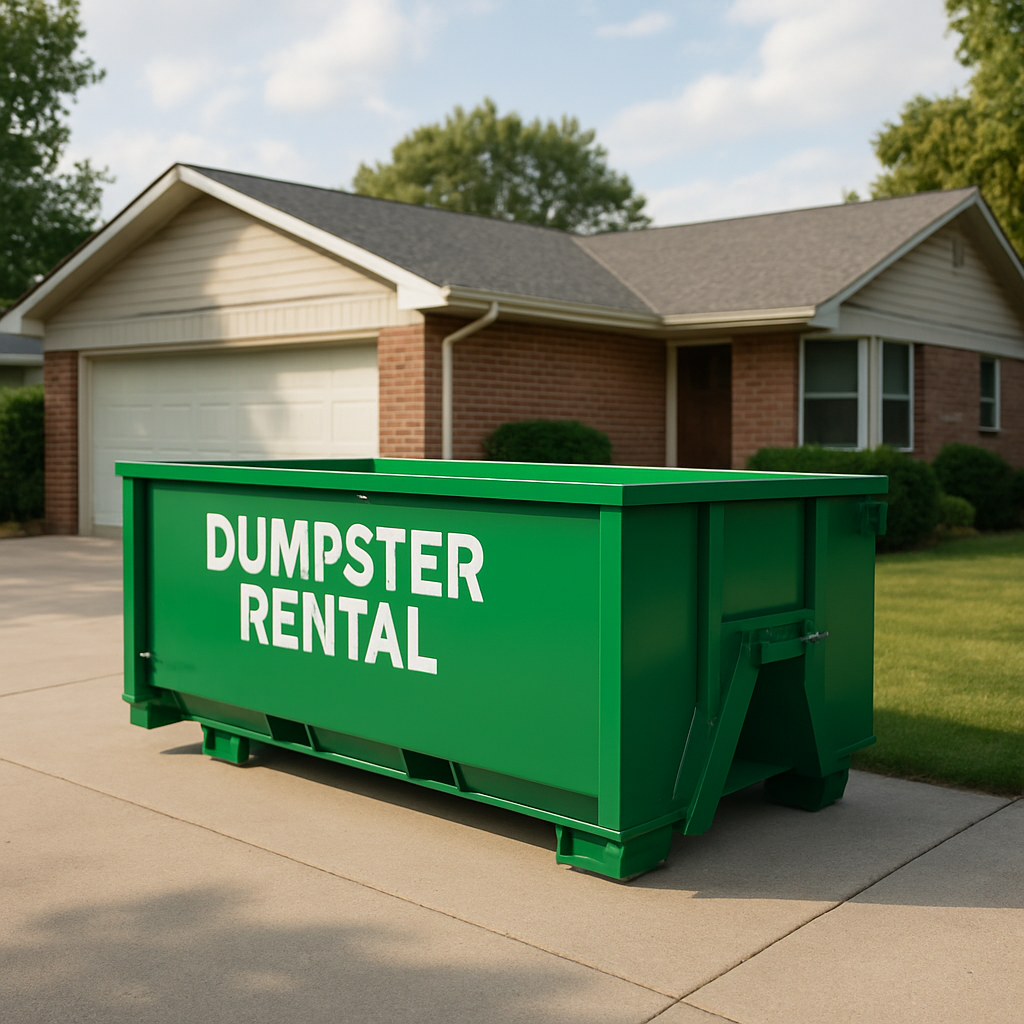
These are the long rectangular containers delivered on a truck and rolled off onto your driveway or site. They’ll typically be open-top and come in various sizes. Easy drive-up loading and large capacities make them perfect for demolition and renovation debris.
Front-Load Dumpsters
Smaller, often used by commercial properties for daily trash collection. They require mechanical lifting for pickup and are not ideal for bulky construction waste.
Compactors and Specialized Bins
For commercial sites with ongoing, compactable waste, compactors reduce volume. Hazardous waste requires specialized containers and handling by certified haulers.
Roll Off Sizes and Typical Uses
Choosing the right roll off dumpster size is critical. Under-sizing means extra rentals; over-sizing wastes budget. Here’s a practical sizing guide:
- 10-yard roll off: small cleanouts, garage or shed cleanouts, minor roofing jobs.
- 15-yard roll off: small remodels, flooring removal, or medium-sized yard waste.
- 20-yard roll off: moderate home renovations, larger roofing projects.
- 30-yard roll off: whole-house renovations, large construction debris.
- 40-yard roll off: major commercial demolition, large-scale remodeling.
How to Visualize Size
A 20-yard roll off is roughly the size of a single-car garage floor; a 30-yard unit often fits a two-car garage. Think in terms of rooms or truckloads: one pickup truck load equals roughly 2–3 yards depending on packing.
Important Considerations Before You Book
Placement and Ground Protection
Where you place a roll off dumpster matters for both convenience and property protection. Driveways can be damaged by metal edges and heavy loads. Protect surfaces by:
- Using wooden boards or steel plates under the dumpster’s skids.
- Confirming the rental company’s placement policies—some refuse to place on lawns or steep grades.
- Ensuring access for the truck: 12–18 feet of overhead clearance may be needed for delivery and pickup.
Permits and Homeowner Association Rules
Check local ordinances and HOA rules. Many municipalities require a permit for placing a roll off dumpster in the street or public right-of-way. Applications are usually straightforward but can take days to process—factor this into your timeline.
Prohibited Items and Hazardous Waste
Most standard dumpsters do not accept hazardous materials. Avoid putting these items into a roll off dumpster:
- Paints, solvents, oily rags, and household chemicals.
- Asbestos-containing materials (requires certified abatement).
- Batteries, tires, refrigerants, and certain electronics.
Improper disposal can lead to hefty fines and liability for cleanup. If your project generates hazardous waste, hire a specialist or ask your DailyDumpster representative for certified disposal options.
How Dumpster Rental Pricing Works: Real Numbers and Examples
Pricing can look complex at first, but it boils down to a few components: base rental fee, transportation/delivery fees, per-tonnage or weight fees, volume overage charges, and extra day or extension fees. Here’s a transparent look at common pricing structures and sample scenarios.
Typical Pricing Components
- Base rate: covers rental for a standard period (typically 7–10 days) and local transport.
- Weight allowance: base rate often includes a weight cap (e.g., 1–2 tons). Heavy materials trigger per-ton charges.
- Overage fees: additional charges for exceeding height limits, capacity, or prohibited items.
- Permit fees: passed through if the company secures a city permit for you.
- Extended rental days: daily fees if you keep the dumpster beyond the agreed time.
Price Range Examples (National Averages)
Prices vary by region and market conditions, but expect approximate ranges:
- 10-yard roll off: $250–$450 base, typical for small-scale projects.
- 15-yard roll off: $300–$500 base.
- 20-yard roll off: $350–$600 base—most commonly used for home remodels.
- 30-yard roll off: $450–$800 base for larger jobs.
- 40-yard roll off: $650–$1,000+ for commercial demolition work.
Example Scenarios
Scenario 1 — Kitchen Remodel (20-yard roll off):
- Base rate: $450 (7 days included)
- Weight included: 2 tons. Project uses 1.5 tons—no weight fees.
- Total cost: $450
Scenario 2 — Roof Tear-Off (15-yard roll off with shingles):
- Base rate: $350
- Shingles are heavy; weight exceeds by 1 ton @ $75/ton = $75
- Total cost: $425
Scenario 3 — Whole House Demo (30-yard roll off multiple loads):
- Base rate for each 30-yard dumpster: $700
- Two dumpsters needed due to volume; weight surcharges apply: $200
- Total: $1,600 (including transport and weight)
How to Keep Costs Down
- Sort recyclables and metals separately—many facilities pay for scrap metal.
- Avoid mixing heavy, dense materials like concrete with lighter debris in the same bin; use a dedicated contractor for concrete or rent a separate dumpster.
- Book a size that matches your scope—upsize slightly rather than risk return trips, but avoid oversizing excessively.
- Compare quotes from local providers, including DailyDumpster listings, to secure competitive pricing.

Scheduling, Delivery, and Pickup: Logistics That Matter
Delivery Windows and Truck Access
Delivery is scheduled in a window. Confirm specific arrival times for planning heavy work days. For delivery and pickup, ensure:
- A clear path with no parked cars blocking access.
- Overhead clearance if driveways have trees or wires—trucks need room to maneuver.
- Flat, stable ground to prevent tipping or sliding during loading.
Timing the Rental Period
Standard rentals last 7–10 days. If your project runs longer, request an extension early to avoid extra fees. For contractors, schedule dumpsters to align with demo and rough-in phases to keep work areas clean and safe.
Same-Day and Emergency Services
Some providers offer expedited delivery or same-day pickup for a premium. This can be invaluable for unexpected cleanups, storm damage, or tight schedules. DailyDumpster’s network sometimes includes partners who can accelerate delivery when needed—ask specifically during booking.
Real-World Use Cases and Planning Templates
Applying dumpster rental knowledge to real projects helps avoid surprises. Below are common use cases with planning checklists you can copy for your job.
Home Renovation (Kitchen & Bathroom)
- Recommended size: 20-yard roll off (20-yard for entire interior demo).
- Permits: rarely required if placed on private driveway; check HOA rules.
- Plan: schedule delivery the day demo begins, keep 7–10 day rental, sort metals and fixtures for recycling.
Roof Replacement
- Recommended size: 15–20 yard (depends on roof size).
- Considerations: shingles are heavy—expect weight fees. Place dumpster close to driveway or curb for easy loading.
- Safety: secure overhangs and communicate pick-up window to avoid roofers tripping over dumpster setups.
Yard Clearing and Landscaping
- Recommended size: 10–15 yard for typical yard cleanups; 20+ yard for large tree removals.
- Green waste: some municipalities require green waste separation—check local rules.
Comparisons: Dumpster Rental vs. Junk Removal vs. Dump Runs
Choosing between renting a roll off dumpster, hiring a junk removal crew, or doing dump runs depends on time, effort, and cost. Here’s how they compare.
Cost
- Dumpster rental tends to be more cost-effective for sustained debris generation over multiple days.
- Junk removal (truck-and-two crew) is labor-intensive but removes the hassle of loading yourself—good for fast single-day jobs.
- Dump runs are cheapest if you have a truck and time, but labor and multiple trips add up quickly.
Convenience
- Dumpster rental: maximum convenience over time—dumpster sits on site while work progresses.
- Junk removal: most convenient for one-off cleanouts; no permit or placement concerns.
- Dump runs: least convenient, best for small, spot tasks.
When to Use Each
- Large renovations and demolition: roll off dumpster rental.
- Estate cleanouts and fast, single-day cleanups: junk removal services.
- Small projects where you can haul material yourself: dump runs.
How to Find the Best ‘Dumpster Near Me’ and Vet Providers
Searching for ‘dumpster near me’ will return many results. Use a methodical approach to identify reputable providers and get the best price.
Checklist for Evaluating Providers
- Transparent pricing—ask for a detailed quote including weight limits and fees.
- Local reputation and reviews—check Google, Yelp, and trade forums for contractor feedback.
- Insurance and licensing—confirm the company is insured and follows local hauling regulations.
- Equipment quality—well-maintained dumpsters and trucks reduce delivery and pickup problems.
- Customer service—timely communication and flexible scheduling are signs of professionalism.
Tools like DailyDumpster aggregate local options and can provide side-by-side quotes and verified reviews, making it easier to source a reliable roll off dumpster near you.
Insider Tips: Getting the Most from Your Dumpster Rental
Pro Tips
These strategies come from years of field experience and typical contractor best practices.
- Book early for peak seasons (spring and summer) to avoid rush premiums.
- Place boarded protection under the dumpster to prevent driveway damage—this avoids costly repairs later.
- Keep a separate small bin for hazardous items and schedule a certified hazardous hauler if needed—don’t risk landfill fines.
- Layer debris smartly: heavy items go in first, lighter items on top. This reduces volume waste and weight spikes.
- Use local recycling centers for cardboard, metals, and concrete to offset costs—ask your provider if they have direct recycling arrangements.
- Take photos of the placement area before delivery and after pickup—this documents property condition in case of disputes.
Common Mistakes That Drive Up Costs and Delay Projects
Avoid these frequent errors when renting a roll off dumpster.
Common Mistakes
- Underestimating volume: ordering too small a dumpster leads to additional rentals and higher total cost.
- Ignoring weight: filling the dumpster with dense materials (tile, concrete, dirt) without accounting for tonnage fees.
- Skipping permits: placing a dumpster on the street without a permit can lead to fines and forced removal.
- Mixing hazardous items: throwing prohibited materials into a dumpster can stop the entire load at a transfer station and result in contamination fees.
- Poor placement: blocking neighbor driveways, violating HOA rules, or restricting emergency access can create confrontations and delays.
- Assuming the cheapest quote is best: low bids sometimes hide fees. Always request a fully itemized quote.
Insurance, Liability, and Legal Considerations
When placing a roll off dumpster on your property or the public way, understand who is liable for damage or accidents. Most reputable companies carry liability coverage, but you should also:
- Confirm provider insurance details in writing, including coverage limits and policy numbers.
- Ask about damage waivers or hold-harmless clauses—some providers offer these for a small fee.
- Check local laws for owner responsibility when placing dumpsters on the public right-of-way; sometimes the property owner must secure the permit.
Green Disposal and Recycling Options
Disposal is evolving. Many landfills and transfer stations offer recycling programs that reduce landfill fees and environmental impact. Consider these options:
- Separate metals and sell to scrap yards—this can offset some disposal costs.
- Use dedicated concrete or brick dumpsters for heavy masonry—reduces weight fees on general buckets.
- Ask providers if they divert waste to recycling facilities; DailyDumpster partners sometimes flag eco-friendly haulers.

Negotiation and Getting the Best Quote
Negotiating dumpster rental is straightforward if you know what to ask for. Providers compete on price and service; here’s how to extract value:
- Get multiple written quotes with the same rental period and weight allowance for apples-to-apples comparison.
- Ask for the exact tipping fee used in the quote (per-ton rate) and whether it’s included or itemized.
- Bundle services—if you have multiple dumpsters across projects, negotiate a volume discount.
- Request flexibility on rental days—some companies waive the first day of extension if notified early.
Technology and Booking Trends: How to Book Faster
Modern platforms have simplified finding ‘dumpster near me’ and booking roll off dumpsters. Online booking portals and marketplaces aggregate local haulers, display real-time availability, and provide instant quotes. Advantages include:
- Transparent pricing with user reviews and verified providers.
- Easy scheduling and document upload for permits.
- Digital receipts and tracking for projects with multiple rentals.
Sites like DailyDumpster streamline comparison shopping and can flag vetted haulers with specific specialties, such as construction-only or eco-friendly disposal.
FAQs: Dumpster Rental Questions Homeowners and Contractors Ask
1. How long can I keep a roll off dumpster?
Most standard rentals are 7–10 days. Extensions are possible for a daily fee—notify your provider early to avoid double charges.
2. What happens if the dumpster gets overweight?
Providers charge per-ton over the included weight allowance. Heavy materials like concrete and dirt can exceed weight caps quickly. If you’re handling dense materials, request a higher weight allowance or a dedicated dumpster for those materials.
3. Can I place the dumpster on the street?
Sometimes, yes—but many municipalities require a street placement permit. The rental company might secure it for you at an additional cost, or you may need to apply with the city. Always confirm before booking.
4. How full can I fill the dumpster?
Do not fill above the rim or exceed height restrictions. Overfilling is unsafe and often violates hauler policies; it can lead to pickup refusal or extra fees.
5. Are there items I absolutely cannot throw in a roll off dumpster?
Yes. Hazardous materials—paints, solvents, certain batteries, asbestos, pesticides—are typically prohibited. Electronics and appliances containing refrigerants need special handling.
6. How do I estimate what size dumpster I need?
Estimate by room size and debris density. Use rough guides: one 10-yard for small cleanouts, 20-yard for medium remodels, 30–40 yard for full demolitions. When in doubt, consult your provider or DailyDumpster for sizing recommendations based on your project details.
7. Can I put metal and recyclables in the same dumpster?
You can, but separating metals and recyclable materials often reduces disposal fees because recycling facilities may pay for scrap metal. Ask your provider if they separate loads or can arrange separate pickups.
Checklist: Planning Your Dumpster Rental in 10 Steps
- Define project scope and estimate volume.
- Choose dumpster type and size—lean one size up if unsure.
- Check local permit and HOA rules for placement.
- Compare quotes from at least three local providers, including DailyDumpster listings.
- Confirm included weight allowance and per-ton fees.
- Schedule delivery to coincide with demo start.
- Protect driveway with boards or plates and confirm placement area is clear.
- Sort recyclables and metals to minimize costs.
- Take photos of site before delivery for documentation.
- Communicate pickup timing and extension needs early.
Whether you’re managing a single-room remodel or coordinating a multi-phase construction project, approaching dumpster rental with a clear plan minimizes costs and keeps your timeline intact. Use the pricing insights and checklists above to avoid surprises, and lean on trusted local resources—DailyDumpster and verified local haulers—to provide transparent quotes and dependable service. Thoughtful planning, proper sorting, and clear communication with your rental provider will keep the site safe, compliant, and on schedule, ensuring waste management is a solved part of your project rather than a recurring headache.