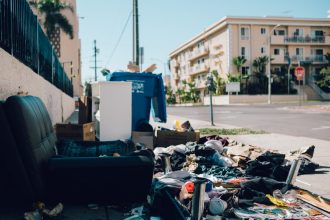
By the time the sun had climbed above the eucalyptus lining Melrose Avenue, the heap in Maria’s alley had become its own little skyline: two broken couches, a sagging mattress that smelled faintly of mildew, a carpet rolled up like a wounded animal, and a nest of rusty nails that had been collecting months of rain. “How did we let it get this far?” she murmured, fingers busy sweeping dust into a trembling pile. Across town in Long Beach, neighbors were loading a reusable truck with reclaimed timber, while in Malibu, a contractor argued on the phone about coastal permits. In a cityscape where homes butt up against freeways, beaches, and canyons, dumpster removal is less a chore than a choreography of rules, timing, and good timing—especially in Greater Los Angeles.
The Morning They Found the Heap
On that bright, dry morning, Maria stood in the alley behind her Craftsman in Echo Park, the smell of coffee from the bakery on the corner mixing with the metallic tang of old plaster and paint. The neighbors—an elderly man named Harold from the duplex two doors down, and a young couple who ran a coffee pop-up in Highland Park—gathered like concerned townsfolk. “We can’t leave it like this,” Harold said, voice gentle but firm. “Rodent season’s already started.”
Her situation was ordinary and extreme at once: a unit had turned over, the tenant left behind a lifetime of small disasters—cardboard mountains, a dented fridge, a stack of drywall—and with three weeks until the next renter, Maria needed a clean alley and a livable unit. The clock ticked like an impatient landlord.
Calling in Backup
She called Luis, a contractor from Burbank who had hauled debris on film sets and in family driveways. He pulled into the street in a rumbling orange truck, wearing a neon vest and a baseball cap that read “LA Haul Co.” He hopped out, clapped dust from his gloves and studied the pile. “We need a 20-yard for this—maybe a 30 if we hit the fridge and the drywall,” he said. “But we’ll sort. Mattresses, e-waste, and hazardous stuff go separate. We’ll get a permit for the curb in case we can’t fit it in the driveway.””>
His voice had the calming cadence of someone who had navigated Sunset Boulevard traffic on a bad day and learned how to make city rules bend without breaking. He explained gently: in Los Angeles proper, if a dumpster blocks the curb or a meter, you need a street permit from LADOT. In Santa Monica and Beverly Hills, community associations and coastal commissions add another layer, and in Pasadena a historic district review might limit placement. In short: Dumpster removal in Greater LA is a patchwork of municipal quirks stitched together by common-sense logistics.
Sizing Up the Problem
“How big are these dumpsters?” Maria asked, squinting at the orange truck like it might sprout measuring arms. Luis knelt and sketched in the dirt with a stick. “Ten, fifteen, twenty, thirty, forty cubic yards. A 20-yard fits three bedrooms of junk usually. Weight matters too—concrete and dirt add pounds fast and change the cost.” He named prices as if he were offering coffee: delivery, removal, pounds over the truck’s allowance, landfill or transfer station fees, the cost of a street permit if the city required it, and the sometimes-unspoken extra for a same-week pick-up during the busy spring-cleanup season.
He also spoke about what could not go in a dumpster—fluorescent tubes, motor oil, paint thinner, batteries, and certain electronics. “Those go to drop-off sites,” he said. “LA Sanitation has household hazardous waste stations. Mattress recycling programs exist in Long Beach and Culver City. Tires, Freon appliances—different streams.” It was practical music: where you put things decides where they end up.
On the Ground: The Removal
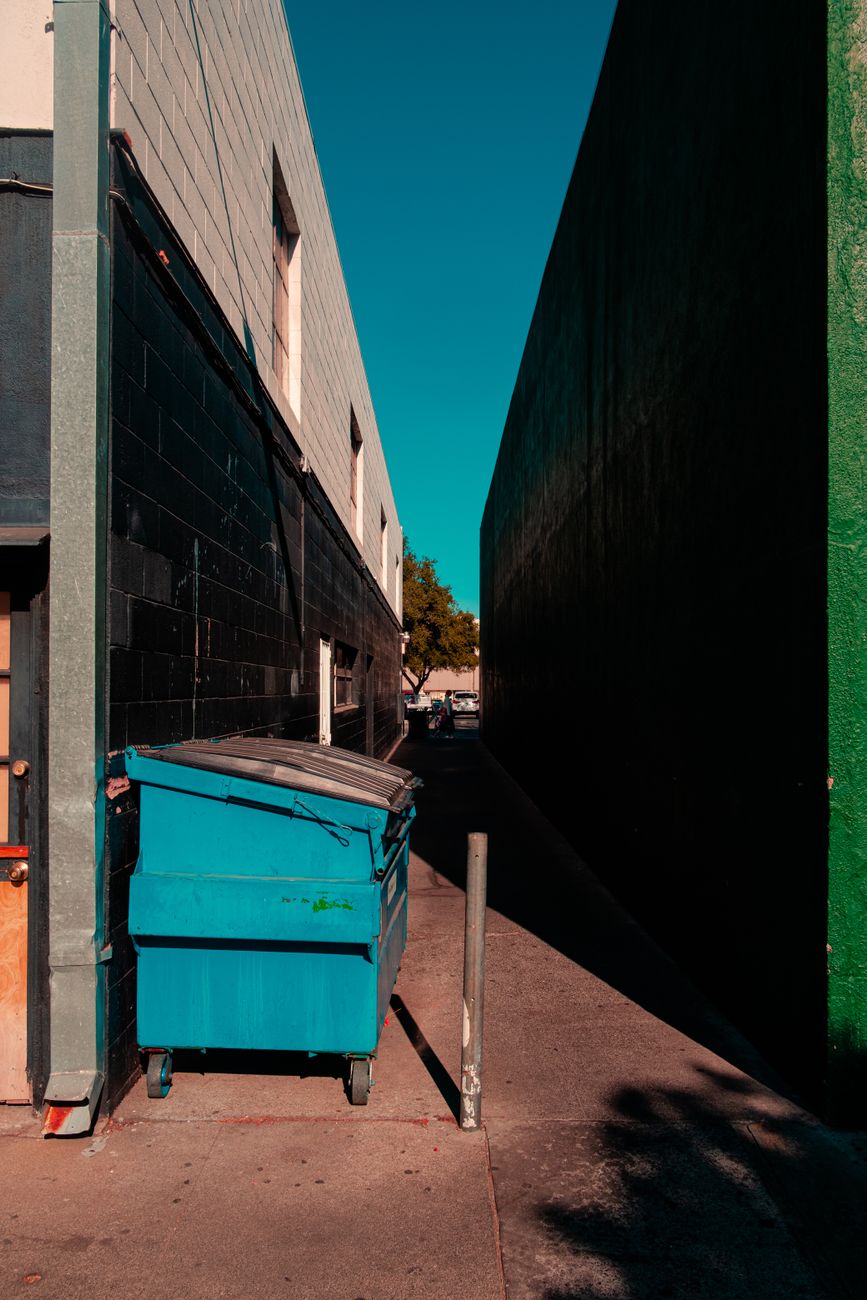
Later that day, the truck returned with the hiss of hydraulics. Workers moved with the quiet efficiency of people who had learned to respect both the trash and the neighborhood: they wore gloves, placed plywood to protect the driveway, and checked for underground sprinklers. The dumpster’s orange sides glinted in the sun like a box of tools. The first load of carpet came out like the shedding of an old skin—heavy, stained, carrying the scent of past evenings.
There was a moment when a man across the alley stepped out with a camera phone. “I grew up here,” he said, eyes soft. “Used to see teams like this clearing out after storms when the canyons dumped debris. It’s good to see it gone.” Removal is civic theater—tractor hydraulics, the thrum of a truck, neighbors watching from stoops. It carries the feel of renewal.
As the crew worked, Luis explained the options: roll-off dumpsters for big clears, front-loaders for businesses, and small containers for tight Santa Monica alleys. He told Maria about timing—how early morning drops avoid rush-hour fines and how weekend pickups might be restricted in certain HOA-governed neighborhoods like Beverly Hills or Brentwood. He suggested splitting recyclables: metal destined for salvage yards in Carson, wood for a chipping yard in Torrance, and cardboard to local recyclers in El Segundo. “You save money and the planet,” he said, with a shrug that made it sound like a political statement and a personal preference at once.
Rules of the Road and the Permit Puzzle
In Los Angeles County, rules change block by block. On Venice’s narrow streets, curb space is prime real estate and you often need a permit and a traffic control plan. In Inglewood near the stadium, special event restrictions can make scheduling tricky. “We once had to reschedule a pickup because a film shoot booked the whole block,” Luis chuckled. The permit process can be as simple as an online form with a fee—or as complex as arranging temporary signage, cones, and an inspector’s approval.
For homeowners, the important takeaways are simple: measure driveway space before renting, ask the company about permits and who obtains them, and always get a written estimate that lists weight limits, what’s prohibited, and the pick-up/drop-off dates. If you’re in a historic district like Pasadena or a high-visibility area like West Hollywood or Hollywood, check HOA rules and city codes to avoid citations or angry neighbors.
Sorting and Salvage: The Human Part
As they sorted, Harold pulled out a battered but usable dresser and placed it in a corner. “I’ll take that to the thrift store,” he said. The young couple in Highland Park took a box of old but functioning kitchenware for their coffee shop. Donations and reuse were part of the ritual—one person’s castoff another’s raw material. The crew separated a stack of old copper pipes destined for a salvage yard. “You’d be amazed what people leave behind,” Luis said. “We find heirlooms, sometimes family photos in drawers. We handle them respectfully.”
He also warned about hidden hazards: worn insulation that might contain asbestos in older Los Angeles homes, batteries hidden under cushions, and chemical-laden paint cans. Those go to hazardous waste facilities, not the landfill. “It’s not just about throwing things away,” he said. “It’s about doing it right.”
Key Insights That Came Between the Dust and the Dusk
Between the clatter of tools and the rhythm of loading, Maria learned the essentials that anyone in Greater LA should know: choose the right size dumpster for the job; ask about weight and prohibited items; determine whether a street permit is needed and who will secure it; schedule early in the day to avoid traffic and noise restrictions; split materials for recycling to reduce fees; and always hire licensed, insured providers who understand local rules—from Carson’s industrial zones to the beachside ordinances of Manhattan Beach.
Cost-wise, Luis outlined a rough map: small 10- to 15-yard containers for single-room cleanouts often start lower, while a 20- to 30-yard roll-off for renovation projects costs more due to weight and space. He emphasized transparency: “If a company lowballs and then surprises you with weight overages, that’s bad business. A professional will show the math.”
The Moment of Leaving
By late afternoon, the alley looked different: clean lines where trash had been, a curb reclaimed. The mattress had been hauled away to a certified recycling partner in Long Beach. Wood went to a chipper in Torrance. Luis wiped his hands and looked at the alley like a gardener surveying a neat bed. “You’ll get a call from the city in a week if they thought the permit was needed and wasn’t filed,” he warned casually. “But I’ve got everything in the app.”
They closed the dumpster’s heavy lid, and the truck’s hydraulics rose with a groan and a chorus of metal. As the vehicle tugged the container away, sunlight glanced off its orange flank like a small sun rolling down the street toward Sunset Boulevard. Maria felt a weight lift that had nothing to do with hauling. Harold finally smiled. “Feels like we cleaned the house and the neighborhood, too,” he said.
What to Remember — The Practical Takeaway
If you take one thing away from this day in Echo Park and from the many dumpsters that thread through Los Angeles—from Santa Monica’s clean coastal blocks to the industrial hum of Carson—it’s that dumpster removal is both logistical and communal. Plan the size and placement, know your city’s permit requirements, separate hazardous materials, and choose a hauler who knows local rules. Recycle what you can, donate what’s salvageable, and treat the process as part of keeping your street livable for everyone.
Maria’s unit was ready for the new tenant that Sunday. The incoming couple walked through the door and inhaled the air—clean, carrying the faint ghost of lemon cleaner instead of mildew. “It feels like home already,” they said, smiling. Maria watched them sign the lease and thought of Harold carrying the old dresser to the thrift store, Luis driving away with the truck’s taillights blinking like tired fireflies, and the alley looking, improbably, like a small promise that neighborhoods can be repaired one responsible removal at a time.
When the sun finally sank behind the low hills, painting the city in long gold and purple strokes, the last image was of the empty lot where the dumpster had sat—a place of possibilities. Somewhere between the hum of freeways and the hush of the beach, Los Angeles keeps rearranging itself, and every cleared alley is a small surrender to order, a kindness to the next person who walks home.
That night, as Luis leaned against his truck and cracked open a soda, he said, “We move a lot of things in this city—but sometimes what we really move are chances to start over.”