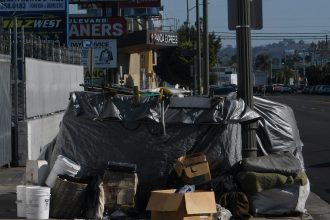
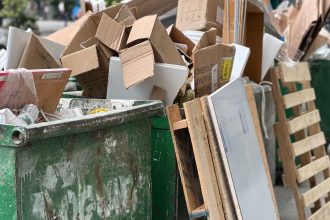
The first thing Maria noticed was the smell: a sharp mix of diesel, sun-warmed plywood, and the faint, sweet rot of forgotten houseplants. She stood on the cracked Pasadena driveway and watched a rust-scarred roll-off dumpster lower with a metallic thump. The whole neighborhood seemed to hold its breath. How do you carry a lifetime out of a house one bin at a time?
Setting the Scene: A City of Contrasts
Greater Los Angeles is a collage of neighborhoods—palms and palms, ocean breezes and refinery tangs, Spanish tiles and high-rises. From the glossy, amenity-heavy blocks of Santa Monica to the industrious corridors of Vernon, the need to remove junk and construction debris shows up everywhere. In Long Beach you’ll see contractors hustling after seismic retrofits; in Burbank, small studios clear out aging sets; in Malibu, a storm can carve new debris from cliffs into driveways. The dumpster that morning in Pasadena was more than a metal box; it was a tool for transition, and Maria’s hands trembled as she watched workers in bright vests sling framed photos and sagging sofas into the yawning mouth of the container.
Characters and Conflict: The People Behind the Pickup
Maria was emptying her late mother’s house. Across the street, a surfer named Luis from Venice was doing a spring clean of his garage—old skate decks, a trumpet, a faded wetsuit. On the corner, Javier, a contractor from Inglewood, argued gently on his phone as he coordinated a multi-site demolition. “If the permit’s not on file, the DOT will tow it,” he told someone. “And don’t overload it—the landfill will charge by the ton.” Their lives intersected for a day because of one common thing: the need to move things out of the way.
Rising Action: Complications on Asphalt
Things rarely go smoothly. During the first hour, the crew found a leaking can of old paint and a corroded propane tank tucked behind a wardrobe. Neighbors peered from porches. A dog barked as a truck idled. That’s when the practical problems surfaced: Which materials could go into the roll-off? Were there city permits to place the dumpster on the street? How long could it stay? Maria learned, the hard way, that Los Angeles Department of Transportation rules could require a street permit when a bin blocks parking lanes in Hollywood or Downtown LA. She also discovered that some items—batteries, fluorescent tubes, certain electronics—were strictly prohibited from landfill-bound dumpsters and needed special e-waste or hazardous waste handling.
Learning in Motion: Key Insights about Dumpster Removal
“We’ve done this in Santa Monica and Culver City dozens of times,” said Sam, the foreman, wiping sweat from his brow. “You want to think about size first. A 10-yard container is good for small cleanouts—like garages or attic jobs. A 20-yard is the go-to for most home renovations, and a 30- to 40-yard monster is what you need for full demolitions or big construction sites in Torrance or Carson.” He talked about permits and placement like a city guide, pointing to the curb and the driveway. “Driveway placement avoids street permits, but check your homeowners’ association rules. And always separate recyclables—sheet metal, concrete, and clean lumber can often be diverted, which saves money and the planet.”
Practical Tips Woven into the Story
As the crew worked, Maria learned three things that changed the game: first, measure twice before ordering; second, ask for an itemized quote that breaks out tonnage fees, known as weight overages; third, schedule drop-off and pickup times to avoid weekend surcharges. “People think it’s just a dumpster,” Javier told Maria, “but transport routes, transfer stations, and tipping fees make up most of the cost.” He explained that hauling to a transfer station near San Pedro or to Consolidated Disposal in the Valley could be cheaper depending on traffic and short-haul fees. In Santa Monica, where diversion rates are high, many companies partner with recycling centers to remove metals and concrete without sending them to landfill.
Emotional Labor: Memory, Mess, and the Romance of Letting Go
It wasn’t all logistics. Maria cried when she tossed a box of recipes—her mother’s handwriting looping like a secret language. Luis hung back, reminiscing about the trumpet he couldn’t quite bear to throw away. “It’s not just trash,” he said. “It’s stories.” The crew understood. They worked with care, putting fragile items to the side and taking photos for inventory when necessary. Dumpster removal in LA isn’t only about hauling; it’s also about handling other people’s history. At a community cleanup in South LA a week later, an elderly woman told me, “When they took away the mattress, I felt like I was breathing easier.”
Rules, Regulations, and Responsible Disposal
Local rules matter. In West Hollywood, the relief of a cleared lot can be matched by a citation if a permit wasn’t pulled for a public curb placement. Pasadena’s historic districts often require extra care when disposing of old architectural elements. Malibu’s coastal regulations mean debris from cliffside homes needs extra attention. For residents, that translates into simple actions: check municipal websites for permitting requirements; ask the dumpster company about their landfill and recycling partners; separate hazardous items beforehand. Many LA counties host periodic hazardous waste collection events where batteries, paints, and electronics are accepted for free or at low cost.
Cost and Sustainability: The Balancing Act
Cost is always a story thread. The crew gave Maria a written estimate: base rental, daily rate, and an allowance of tonnage with extra fees for anything over. “If you can strip out copper or separate concrete,” Sam advised, “we can reduce the weight going to landfill and lower your bill.” He added how some companies in Long Beach and Orange County have on-site sorting, diverting materials to recycling centers and donating usable furniture to nonprofits in Inglewood and Downtown. Being mindful not only reduces cost but also preserves LA’s fragile ecosystems—something that mattered to Maria as she thought of the scent of eucalyptus in her mother’s backyard.
Unexpected Turns: When the Dumpster Becomes a Bridge
Mid-afternoon, a neighbor came by with a folding table to sort through items Maria wasn’t ready to let go of. “Can I take this lamp?” he asked, cradling a mid-century lamp as if it were fragile. The dumpster, once a symbol of erasure, became a place of exchange. Luis found his trumpet under a collapsed box and, grinning, offered to teach Maria’s nephew a few notes. Javier negotiated with a city inspector who swung by to confirm the permit. “You’re doing it right,” the inspector said, nodding at the separated piles of metal, wood, and general waste. “People forget that cleanup is civic work, too.”
Resolution: Empty Driveway, Full Heart
By dusk, the dumpster was half-full in a way that felt complete. The last of the packed boxes slid in with a soft, satisfying thump. Workers wiped dusty arms and loaded their tools. Maria walked the driveway one last time, barefoot, feeling the cooled asphalt under her feet. The open space where the couch had been seemed to hold a new possibility—a small garden, perhaps, or a porch swing facing the orange light over the San Gabriel Mountains. She closed the door behind her and breathed. The city around her exhaled, too: somewhere in Venice a bell buoyed over slow surf, in Downtown LA the skyline blinked on, and the dumpster, with its load of memories and rubble, rolled away toward a transfer station beyond the Harbor Freeway.
Takeaway: Practical Steps and a Final Image
If you’re planning a cleanup in Greater Los Angeles, remember this scene and these steps: choose the right dumpster size (10–40 yards), check local permits (especially for street placement in Hollywood, Downtown, and West Hollywood), separate recyclables and hazardous materials, get an itemized quote, and ask about diversion and donation options. Work with crews who treat items with care—your belongings may be fragile, but your decisions can be sustainable. Above all, make space for the emotions: clearing a home or a lot is both a task and a rite. When the truck leaves with its lumber and linens, what remains is often more than an empty driveway; it’s a new beginning, framed in late-afternoon light, where the city’s noise softens and a small, clean square of neighborhood breathes again.
That evening, as the last taillights receded on the freeway, Maria stood on her porch and watched the sky turn the color of old paper. A breeze rustled through a single surviving potted plant. Somewhere down the block, Luis played three bright notes on his trumpet, and the sound scattered into the city like confetti. The dumpster had done its work—taken away the clutter, kept what needed to be kept, and left the rest for the people of Los Angeles to remake. It was, she thought, a very Los Angeles thing: messy, noisy, and full of the possibility of reinvention.