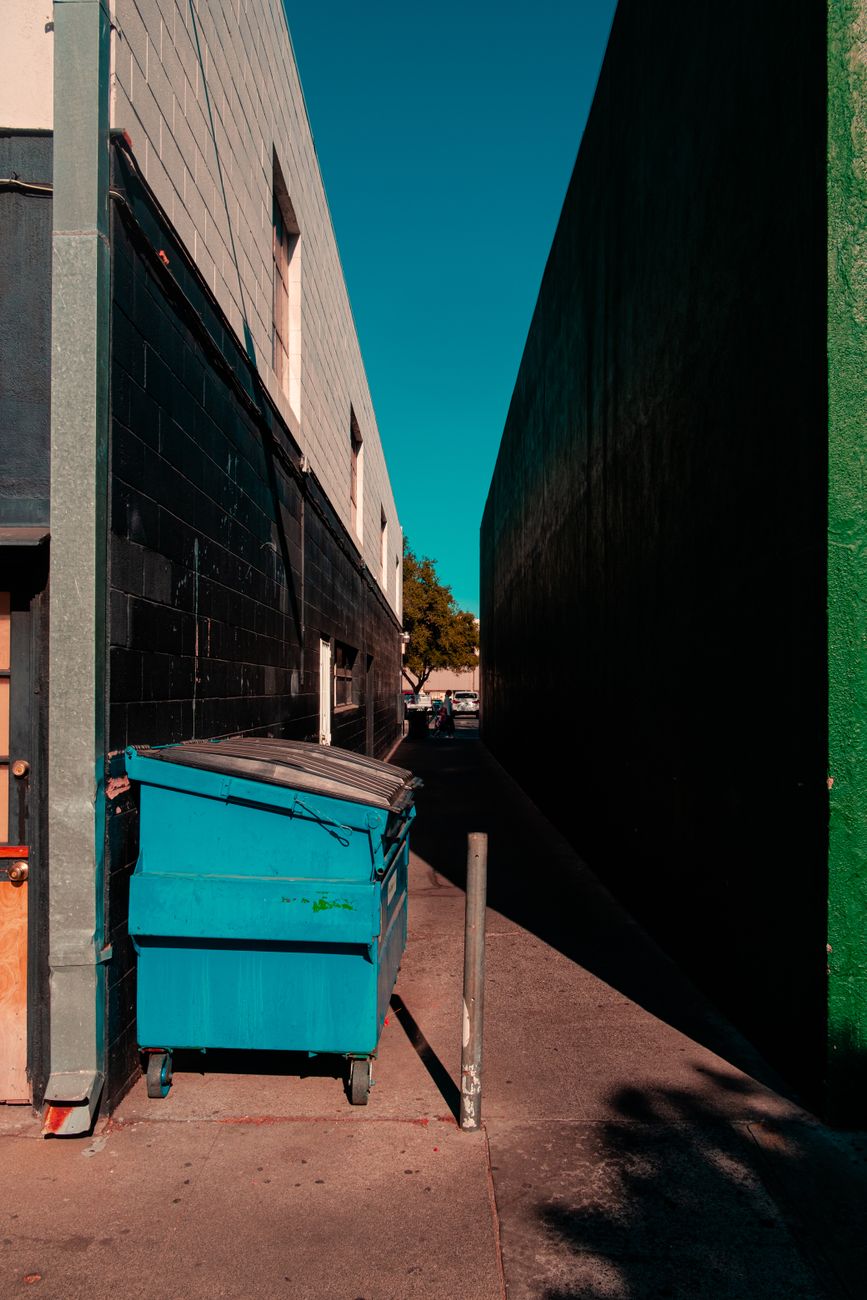
The first sound was not a shout or a hammer, but a diesel cough that rolled down the narrow street like a fog. It arrived at dawn, a hulking metal rectangle on steel wheels, paint rubbed thin from years of hauling broken dreams and drywall. Maria stood on her front step in Echo Park, barefoot on sun-warmed concrete, and watched the dumpster settle into the curb like a boat moored for a storm.
Setup: A Kitchen, a Contractor, and a City of Neighbors
Maria had imagined this moment a hundred times: the gleam of new countertops, children running through a widened doorway, the smell of lemon oil on pristine cabinets. Instead she smelled tar from the roofers two doors down and the sharp mineral dust of demolished tile. She had hired Ramon, a small hauling company owner who grew up in Boyle Heights and ran his trucks from a cramped yard in Vernon. Ramon arrived with a coffee in one hand and a clipboard in the other, wearing a work jacket threaded with grease and decades of Los Angeles sun.
‘We got a 20-yard,’ Ramon said, peering over the back. ‘Should hold the kitchen, the demo, and probably the old patio pavers.’ Mrs. Chen from across the street stepped out, plants tucked under her arm, and peered over Ramon’s shoulder. ‘Hope it doesn’t stay long,’ she said, worry creasing her forehead. Narrow streets are a Los Angeles specialty. In neighborhoods from Silver Lake to West Hollywood, parking is a kind of unofficial economy; curb space is currency.
Between Maria and Ramon was Carmen, the city inspector from the Department of Public Works, who appeared like an unexpected plot twist. She examined the curb, measured the space with a yellow tape pulled taut like a seamstress’s ruler, and said, ‘You’re going to need a permit if it sits on the street longer than 48 hours or blocks a travel lane.’ There it was: paperwork, the invisible scaffolding around every renovation in Los Angeles County.
Rising Action: Surprises Under the Tiles
Days later, the real surprises began. When the demolition crew pulled up the tile, they found not just old mortar but a nest of cast-iron pipes frozen in time. There was a whisper of asbestos in the cracked underlayment of the mid-century patio. An old mattress, hidden in a crawlspace like a family secret, made an appearance. The pile in the dumpster changed from tidy demolition debris to something heavier, sharper, and more complicated.
‘We can’t put asbestos in a roll-off,’ Ramon warned, wiping sweat from his brow. The words felt heavy and final. Maria remembered a blog post about illegal dumping in San Bernardino, about fines that climbed like ivy across a budget. In Venice, she had heard about haulers who took everything to the transfer station without sorting, and in Burbank, homeowners who faced surprise charges when too many tons of concrete had been tossed into a subcompact bin.
On a Friday afternoon the neighbors gathered without being invited. The sun in Los Angeles can make even an argument feel cinematic, halos of light softening sharp edges. There were practical questions and accusations: ‘Why is it blocking the driveway?’ ‘Is that mattress wet?’ ‘Do we need another permit?’ Ramon answered as best he could, his voice steady as a radio, but every answer bent against municipal codes and weight limits like wind bending palms along the Pacific Coast Highway.
Key Insights: What Maria Learned About Dumpster Removal in Greater Los Angeles
It turned out that the narrative of a dumpster delivery is woven from regulations, logistics, and local geography. Ramon taught Maria the terms of the trade, not as a lecture but as practical story beats you would recognize if you had watched the street the way she had watched a neighborhood grow and change.
Sizes matter. A 10-yard dumpster is like a small pickup bed, good for a garage cleanout or minor remodeling; 15-yard and 20-yard units suit kitchen and bathroom remodels; 30- and 40-yard dumpsters are the moving vans of demolition, meant for home additions and major roof tear-offs. In Santa Monica a 20-yard might be perfect for a condo update; in Glendale, where yards hide old pavers and stubborn brick, a heavier bin is frequently necessary.
Weight is the invisible bill. Concrete and soil are expensive because they are dense. You can fill a 20-yard dumpster with tile and pay more than if you fill it with framing lumber. Many Los Angeles haulers include a base weight allowance and then add a per-ton surcharge. That is why Ramon had asked about the patio and the pipes before he ever rolled up his truck.
Permits and parking rules are neighborhood-specific. The City of Los Angeles requires permits when a dumpster sits on public property, and many municipalities from Long Beach to Pasadena have their own forms, fees, and street-sweeping schedules. In Hollywood, where film trucks come and go, you might need a Temporary Street Use permit; in West Hollywood, you could face strict hours when loading and unloading are allowed. Ramon helped Maria file the permit online, a small triumph of bureaucracy over chaos.
Hazardous materials are non-negotiable. Paint, solvents, batteries, tires, and anything labeled hazardous must be handled separately. Asbestos must go to certified facilities, and electronics often have take-back programs or e-waste events in places like Culver City or Torrance. Separate those materials, Ramon advised, and donate what you can. The cabinets and some fixtures found a second life at a Habitat for Humanity ReStore in Glendale; a neighbor took the vintage light fixture to a thrift shop in Silver Lake.
Choose the right hauler. Look for local business licenses, evidence of proper insurance, references, and above all transparency about pricing and destination. Ask where the debris goes: transfer station, landfill, or C&D recycling center. Many Los Angeles haulers work with recycling facilities that reclaim metal, concrete, and clean wood, reducing the tonnage that ends up in landfills across the county.
Practical Details Woven into Story
One afternoon Ramon and Maria lifted a box together and realized that small choices mattered. They wrapped broken glass and porcelain in old towels to protect the crew. They laid plywood on the driveway where the dumpster would rest, saving the surface from gouges and stains. They scheduled the big pick-up on a Tuesday, when the transfer stations in the region were running smoothly and truck traffic off the 101 was lighter.
‘We always tell people to book at least a week out,’ Ramon said. ‘Weekends fill fast, and if you need a permit it can add days.’ He showed Maria a simple checklist: measure the space, decide what will be recycled, call to confirm if there are alleys or overhead wires, and always check whether materials like drywall with mold, lead paint, or PCB-containing light ballasts are present.
She learned that some items are cheaper to take directly to specialty facilities. Mattresses often have to be handled separately in Los Angeles because of state recycling mandates and bulky item pickup schedules that vary by neighborhood. Green waste can be composted or taken to greenwaste processing facilities in the county. Even the rhythm of disposal has a local accent: in Long Beach, bulky item pickup might be arranged through the city; in Pasadena, the neighborhood association sometimes coordinates larger donations and pickups.
Resolution: A Clean Curb, an Open Kitchen, and a Sunset over the Hollywood Hills
The dumpster left at dusk, its sides streaked with mortar and memories. Ramon waved, his silhouette a dark cutout against the setting sun that turned the Hollywood Hills into a watercolor. The street seemed to exhale. Children ran barefoot to inspect the empty space where metal had once blocked the curb, and Mrs. Chen returned to reclaim her plants. Maria stood at her front step again, the cool of the evening settling around her, and felt an odd, domestic peace.
It had not been without drama. There had been a fine when a neighbor reported the mattress before it was sorted, and an extra trip to a certified facility for the asbestos-laced underlayment. But there had also been gestures of goodwill: a neighbor lending plywood, a friend hauling cabinetry donations to a ReStore in Glendale, a city inspector who took the time to explain curb regulations with patience. In the end, the counters were installed, the tiles reset, the pipes re-routed, and the new kitchen smelled like lemon oil and possibility.
Takeaway: What to Remember When the Dumpster Comes to Town
In Greater Los Angeles, dumpster removal is never just about hauling things away. It is a choreography between homeowners, haulers, neighbors, and the city. Before you begin, take a moment to plan: pick the right size, budget for weight and permit fees, separate hazardous materials, donate salvageable items, and choose a hauler who knows the local landscape and will be transparent about where debris ends up.
Remember that a dumpster can be a small community event. Tell your neighbors, protect the curb and driveway, and make arrangements for pickup that respect local traffic patterns and film permits. When in doubt, ask questions: ask the hauling company where they take debris, ask the city what permits you need, and ask a neighbor if they need help moving heavy items. The best projects end not with the clang of metal but with doors opening, friends arriving, and the smell of a finished home.
Maria watched the red taillights of Ramon’s truck disappear into the dusk, the Hollywood sign a pale serrated crown in the distance. She stepped inside to the sound of the first dish being set on the new counter, a small domestic percussion that felt like a thunderclap after weeks of noise. Outside, the street was empty now, but in her mind the scene remained: the dumpster, the permit on her kitchen table, the small acts of sorting that turned rubble into salvage. Los Angeles had taught her that removing waste is a practical art, and that doing it well is a quiet kind of civic pride.
As the last light slid behind the hills, Maria opened the window and breathed in the cool, slightly tar-scented air of a neighborhood ready to make room for the new.