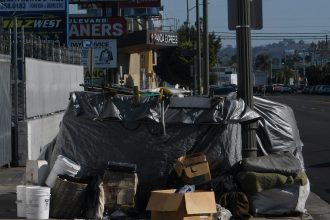
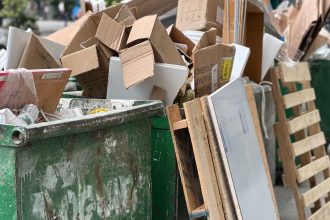
The first thing I noticed was the smell: a sweet, oily scent of old paint and wood dust that clung to the morning air like a promise. Down the block, a rusty orange dumpster sat on Maria’s cracked concrete driveway, dwarfing her little bungalow in Santa Monica. She leaned on the porch rail, coffee in hand, watching as two men in bright vests measured the space with a practiced calm. ‘I never thought getting rid of stuff would feel like planning a small parade,’ she said, smiling but tense. ‘But here we are.’
Setup: The House, the Plan, and a City of Neighborhoods
Maria’s house had grown like a scrapbook of lives: three sets of couches that had known college roommates, tile stacked from a 1990s bathroom renovation, and boxes of holiday decorations no one had seen in a decade. The decision to downsize came after her son Noah moved to Long Beach and her attic began to sag under the weight of memories. She called three companies in one afternoon, and by the next morning a 20-yard dumpster stood in her driveway. The crew smelled like sunscreen and diesel, the air carrying a faint trace of the ocean from Santa Monica’s nearby shoreline.
Across Los Angeles, similar scenes played out in neighborhoods with different rhythms. In Glendale, a filmmaker cleared a garage studio; in Pasadena, a couple prepping a mid-century home for sale boxed up decades of accumulated memorabilia; in Inglewood, a contractor set up a temporary cluster of dumpsters for a house flip. The city names changed, the challenges didn’t: how to choose the right size, where to put the dumpster legally, what could and couldn’t go inside, and how to make the process feel less like waste and more like progress.
Rising Action: Permits, Neighbors, and the Weight of Stuff
As the crew rolled the dumpster into place, Maria mentioned how her neighbor in West Hollywood once had to spend a morning arguing with the homeowners association about dumpster placement. ‘We almost had a standoff over a few inches,’ she said, and then laughed into her coffee. The workers set down plywood beneath the metal rails to protect the driveway, tapped the edge with the flat of a hand, and checked their notes. In Los Angeles, that little choreography matters: many cities—from Beverly Hills to Torrance—require permits if the dumpster sits in the public right-of-way, and HOAs have their own rules about visibility and timing.
‘Tell me about restrictions,’ I asked one of the crew, a woman named Rosa who had been doing this work for years. ‘Do people usually know what they can put in?’ She shook her head. ‘Half the calls are people dumping mattresses and paint cans and old electronics into a bin that isn’t fit for it. We try to educate them, but sometimes it’s a surprise at the landfill.’ Her eyes went to the horizon where faint smog softened the outline of downtown Los Angeles. ‘We try to divert what we can—wood, metal, drywall—but dangerous stuff has to go somewhere else.’
There is tension in that sentence: the desire to declutter versus the responsibility to dispose responsibly. For many Angelenos, the escalation happens the morning the dumpster arrives and the first bulky item appears on the rim. ‘Is this okay?’ someone asks, and a whole chain of decisions rolls forward—salvage, recycle, or pay to toss the hazardous items separately.
Key Insights: Choosing Wisely in Greater Los Angeles
If you ever need a dumpster in Los Angeles County, these are the scenes you won’t see on the company’s website: measuring the driveway, checking the neighbor’s mailbox sightline, negotiating space with a palm tree root, and reading tiny print about weight limits. Practical things Maria and I learned between sips of coffee and the thump of metal were simple, but crucial.
Dumpster sizes usually come in categories that fit different jobs: 10-yard for small cleanouts, 20-yard for moderate remodels, and 30- to 40-yard for major renovations. In neighborhoods like Sherman Oaks and Northridge, where attics and garages run deep, a 30-yard bin might be the smart call; in slim-lot Venice or Malibu driveways, a compact 10-yard unit keeps the street from feeling crowded.
Placement matters legally. If the dumpster is on the curb or street, many municipal codes—from Santa Clarita to Culver City—require a permit for that occupant of public space. The permit process is usually straightforward but different in each city: some allow same-day permits, others ask for a few days lead time. The alternative is a protected driveway placement with driveway boards to prevent stains and gouges.
Weight and content restrictions are not just paperwork. Most dumpsters have a weight limit; exceed it and you pay overage fees. Dangerous materials—paint, solvents, asbestos, batteries, and certain electronics—often need a special disposal route. For those items, Los Angeles Sanitation runs household hazardous waste drop-off events, and many private companies partner with local transfer stations and recycling centers to divert usable materials to charities like Habitat for Humanity ReStore or Goodwill.
Cost is part practical, part emotional. Quotes often include a rental period, delivery, pickup, and a disposal fee that varies by weight and material. If you’re in Long Beach, it might be cheaper to schedule a pickup that avoids rush day traffic; in Hollywood, weekend deliveries can be pricier. Ask about same-day service, permit assistance, recycling rates, and whether the company provides a written estimate with a clear tipping fee or weight allowance.
Rising Action Continued: The Negotiation of Memory
Back at Maria’s bungalow, the first items went in: an old sectional that had sagged in the middle, a stack of cracked picture frames, a lamp missing a shade. Each item seemed to carry a small story. ‘This was Noah’s baby bed,’ Maria said, lifting a corner of splintered wood as if it were an artifact. She hesitated, then smiled. ‘We kept it for years, but it felt like we were keeping the past in the way we’d been keeping an old calendar.’
Rosa and her partner worked efficiently, calling out instructions: ‘No paint cans, place mattresses flat so they don’t snag, metal goes on the far side.’ Every so often a neighbor would peek, offering sympathetic nods or a joke about their own attics. In Long Beach, a similar scene was unfolding as a young couple emptied decades of their parents’ belongings into a row of bins. Across LA County, dumpsters became temporary stages where people negotiated memory, progress, and the messy business of moving on.
Key Insights Continued: Greener Choices and the Human Side
One of the best surprises Maria encountered was how much could be rescued. A local contractor spotted salvageable hardwood from a dining table and offered to reuse it in a kitchen island. An old mirror found a second life at a nearby thrift store. These small victories are signs of a larger ecosystem in Los Angeles: salvage yards, upcycling artisans in Silver Lake and Echo Park, and donation routes that keep usable goods out of landfills.
Tips that save money and the planet: separate recyclables like metal and clean wood; donate furniture that is still sound; bring hazardous materials to dedicated disposal events; and ask the company about their recycling rate. Some firms will take the time to sort and divert materials, lowering your environmental footprint and sometimes your final bill.
Safety should not be an afterthought. Secure the area to prevent curious children or pets from exploring, keep combustible materials away, and if a project might release asbestos or lead (older homes, certain roofing materials), hire certified abatement professionals rather than tossing suspect material into a general dumpster.
Resolution: The Driveway Empties, a Neighborhood Watches
It took three mornings. The dumpster filled with the weight of years: old carpeting that smelled faintly of smoke, boxes of letters tied with twine, a child’s toy truck with paint chipped from too many garage floor races. Each trip to the rim felt like a small release. Maria would stand at the threshold, hands tucked into her cardigan pockets, and wave at the workers as if they were clearing fog from a window.
On the last day, the crew snapped straps, rolled the dumpster forward, and the hydraulic rumble of the truck became a low drum. Neighbors paused mid-garden, and a small cluster gathered as the bin tilted and emptied, tumbling in a metallic symphony. The truck climbed the street and turned toward the ocean, leaving the driveway oddly spacious, as if it too had been decluttered of accidents and old calls.
‘I feel ridiculous and light at the same time,’ Maria said, watching the empty driveway gleam. She stepped into the house and opened the windows. For the first time in years, the kitchen smelled clean—citrus from a newly opened dish soap and possibility.
Takeaway: What to Remember and Do
Los Angeles is a tapestry of neighborhoods, each with its own rules, rhythms, and resources. When you’re planning dumpster removal in the Greater LA area, remember to measure the space, choose the right size, and check local permit requirements if the unit will sit on the street. Separate hazardous materials, donate what you can, and ask providers about their recycling practices. Protect your driveway with boards, secure the dumpster, and communicate with neighbors and HOAs early to avoid surprises.
Most of all, understand that a dumpster is more than a container; it’s a practical vessel for change. It holds not just debris, but decisions—what to keep, what to let go—and in the way Los Angeles moves from Venice to Pasadena, from Burbank to Torrance, it becomes a small part of the city’s collective renewal.
As the sun slipped behind the Santa Monica mountains that evening, the street took on a golden hush. Maria stood at the curb and watched the last light hit the porch. Somewhere in Long Beach, a young couple clinked reusable donation receipts like victory medals; in Hollywood, a contractor sent a text: ‘All clear, dumpster gone.’ Small acts of clearing led to unexpected space—room for a new lamp, a renewed floor, a different kind of quiet. And when I left, the image of that empty driveway stayed with me: a rectangle of possibility edged by a row of palm trees, the Pacific breeze carrying a hint of sea salt, and a city that keeps reinventing itself, one dumpster at a time.