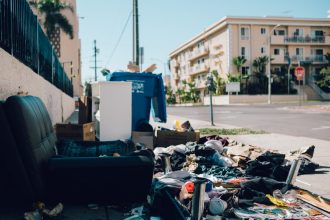
The first time a 20-yard dumpster rumbled into my Silver Lake alley, it felt like a visiting ship anchoring in a narrow harbor. The driver killed the engine and the neighborhood exhaled: trucks shifted, kids slowed on skateboards, and my neighbor Maria, who had been staring at the house across the street for weeks, wiped sawdust from her hands and grinned. ‘This is either the end of my kitchen or the beginning of something beautiful,’ she said.
Setup: A Remodel, a Backyard, and a City That Never Stops Fixing
Los Angeles is a city of perpetual reinvention. From the stucco bungalows of Echo Park to the mid-century facades of Pasadena, renovations rise and tumble like tectonic plates. Maria’s project was modest: a kitchen gut and an expanded patio for weekend dinners. But the project collided with a practical truth — where to put three truckloads of demo debris? We called Luis, a roll-off driver who navigates Los Angeles like a cartographer of concrete. He promised to be at 6 a.m., before the street cleaned, before Santa Monica delivery trucks clogged the boulevards, before the midday sun made the asphalt shimmer like a skillet.
The smell of eucalyptus and hot tar seeped from the pavement as the dumpster rolled into place. You could hear it — the metallic thunk of the chute, the whisper of chain, the soft thud as it kissed the driveway. In Burbank and Glendale, for Hollywood set strikes and wardrobe purges, dumpsters show up like summoned props. In Long Beach, they’re a part of the rhythm of refurbishment near the port. Each city has its rules, and knowing them turns an ordeal into a day that hums along.
Rising Action: Permits, Neighbors, and the Dance of Logistics
That morning, an unexpected problem surfaced. A parking enforcement officer, clipboard in hand, approached our curb. ‘You need a permit to place that on the street between 7 a.m. and 7 p.m.,’ she said without malice, like someone announcing a schedule change. Maria’s contractor had assumed the roll-off would sit in her driveway. But that drive was a narrow swallow: a cantilevered oak root had bent the asphalt, and the dumpster’s wheelbase wouldn’t clear the overhang. We were in a bind — a common one across Culver City, West Hollywood, and the dense blocks of Koreatown.
‘Can you move it later tonight?’ Maria asked. Luis shook his head. ‘We book crews for the day. If we move it, we pay the labor twice. But I can help you get the permit on your phone. Or we can arrange to put it on the street for a day and handle the paperwork.’ He spoke like someone who’d lived inside the city’s permit portal for a decade. You could see the calculus in his face: time, tickets, and the risk of a disgruntled HOA.
Across the street, Mrs. Tanaka from Pasadena leaned over her hedge. ‘Be careful with the plants,’ she warned. ‘Last time they scraped my retaining wall.’ Her voice carried the cadence of someone who had fought for her house for 30 years. Moments like these make a dumpster delivery a neighborly negotiation: where will it go, how long will it stay, and who pays for a ticket if the city decides it prefers another layout?
Key Insights: What I Learned About Dumpster Removal in Greater Los Angeles
From Silver Lake to Malibu, the rules and realities of dumpster removal loop around a few crucial points. Luis talked while he worked, fingers tracing imagined lines on the pavement.
‘First,’ he said, ‘size matters.’ Dumpsters typically come in 10-, 15-, 20-, 30-, and 40-yard sizes. A small kitchen remodel might be fine with a 10- or 15-yard container, while a major teardown calls for 30 or 40 yards. In densely built parts of the city like Hollywood or West Hollywood, a 20-yard hit the sweet spot — big enough to hold demo material but small enough to maneuver on narrow streets.
‘Second, permits and parking restrictions vary by city,’ he continued. ‘Santa Monica is strict if you put anything in the public right-of-way. Long Beach will ticket, but their permit process is straightforward. The City of Los Angeles has a web portal, but in historic districts or near schools you might need extra escorts.’ Planning ahead can save a fine that’s more expensive than a weekend of labor.
‘Third, watch the weight,’ Maria chimed in as she tossed a slab of counter into the bin. ‘Some materials — like concrete, tile, or dirt — are heavy. If you overload by weight, the company charges overage fees.’ In inland communities like Torrance and Carson where building materials are bulkier, this becomes a crucial line item in estimates.
We learned about prohibited items: paints, motor oil, batteries, propane tanks, and electronics have separate disposal rules. Electronic waste and hazardous materials need to go to designated facilities — the type the Los Angeles County Household Hazardous Waste Program runs. ‘We always ask: what’s in it? If it’s green waste, we try to divert it to composting facilities. LA is trying to hit sustainability goals, and honest disposal helps everyone’s fines and conscience,’ Luis said.
Finally, timing and communication matter. Same-day delivery is possible in many parts of the Greater Los Angeles area, from Inglewood to Manhattan Beach, but it costs more. Weekend drop-offs are common for homeowners doing DIY projects. Contractors often schedule pickups in the mornings to avoid rush-hour gridlock on freeways that knit the region together.
Tension and Solutions: The Day the Dumpster Nearly Didn’t Leave
On day three, after a flurry of hammering and a small cloud of plaster dust that made the sunlight look as if it had been salted, the truck returned for pickup. We expected a tidy end: driver, chains, lift, vanish. Instead, the truck pulled up and couldn’t fit the maneuver between a delivery van and a parked Peloton. There was a pause — the kind of quiet that gathers before a storm of bureaucracy. A neighbor’s wedding party had left folding chairs strewn along the curb. Compass points in the city shifted unexpectedly and the driver radioed dispatch.
‘We can wait until 4 p.m.,’ he said finally, wiping his brow. The heat radiated off the roof tiles like breath from a kettle. Maria looked at the debris and then at the kids playing tag on the sidewalk. ‘I didn’t think about how our schedule would collide with Saturday life,’ she said. ‘I should have told the tenant to move the chairs.’ It was a small human moment — the clash of renovation and community rhythms that every Angeleno understands.
We improvised: we stacked the lighter items to the front of the bin, consolidating the mass so the driver could hook and lift with less interference. Luis threaded the truck in with the finesse of someone who’d done this dance a thousand times. The dumpsters, when they move, seem to breathe with the city — inhale, lift, exhale.
Resolution: A Clean Yard and a Cooler Evening
When the bin finally left, the street felt larger. Maria’s house had been transformed from a chaotic drumbeat of construction to a calm, blank stage. The air smelled of toasted wood and the distant brine of Santa Monica Bay. Neighbors waved. Mrs. Tanaka offered cookies. The contractor leaned against his van and said, ‘That’s one less headache.’
Later that evening, we sat on Maria’s new patio. The city stretched out: the Hollywood sign a soft suggestion on the hill, downtown Los Angeles a constellation of lights, the ocean a darker ribbon past the Palisades. The house no longer had the burdens of demo; it had the promise of dinner parties under string lights, of the sound of glasses clinking. The dumpster had vanished from the street, but its imprint remained as a story to tell.
Takeaway: What to Remember Before You Rent a Dumpster in Greater Los Angeles
If you’re facing a project in Los Angeles, here are the practical beats to keep in mind, woven into our story so they stick with the rhythm of the city:
– Choose the right size. Think about the volume and the weight of materials. Bigger isn’t always better if your street is narrow. Smaller bins mean more trips but fewer maneuvering problems in areas like Culver City or Silver Lake.
– Check permits early. Look up your city’s parking and right-of-way rules. Santa Monica, Long Beach, Glendale, and the City of Los Angeles each have different processes and timelines. Permit delays can push your schedule and increase costs.
– Know what’s prohibited. Hazardous waste, paints, oils, and electronics require special disposal. Use county facilities for hazardous materials to avoid fines and environmental harm.
– Communicate with neighbors. Let them know when the bin will arrive and leave, and ask tenants or visitors not to block access. Goodwill goes a long way in dense neighborhoods.
– Ask about hidden fees. Overweight loads, extended rental periods, or same-day changes can add surprise charges. Get a clear estimate and an explanation of factors like tipping fees and weight limits.
– Prioritize safety and diversion. Wear gloves, distribute weight evenly, and cover loads for transport. Ask how much of your debris can be recycled or composted — many local haulers partner with recycling centers and green waste facilities.
When we finally turned the key and stepped into the quiet house, Maria paused at the doorway and looked out toward the city, where a plane traced a slow white line across the sash of sky. ‘It felt like we moved a mountain,’ she said. ‘But it was mostly dust and old cabinets.’ The dumpster was a simple machine with a complicated choreography attached to it — permits, timing, neighborhoods. Done right, it clears not only debris but the way forward: room for family dinners, a place to breathe, a small transformation that matters.
As night settled, the last image I kept was the empty street where the dumpster had been: a rectangle of worn asphalt warmed by the day’s memory, a palm tree silhouette against the orange smear of a Los Angeles sunset. It was, for a moment, entirely peaceful — the city holding its breath after work, while somewhere the faint sound of a radio and laughter drifted from a nearby porch, the clean smell of sawdust replaced by jasmine and sea air.