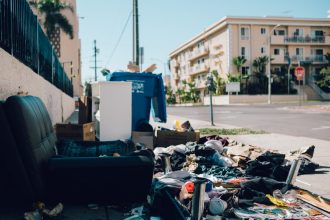
The jackhammer started at dawn. By the time sunlight slipped over the hills of Echo Park, the old tile backsplash had been reduced to a pile of jagged white crescents and dust that smelled faintly of bleach and lemon. David stood in his kitchen doorway, coffee cooling in his hand, and watched as Maria, his contractor, barked directions at two men in neon vests by the back lane. “We need the roll-off here now—before the HOA sees this mess,” she said, wiping grit from her cheek. The truck growled down the alley like an awakened beast, and for a moment the morning belonged entirely to the clatter of demolition and the promise of a clean slate.
Setting the Scene: Streets, Smells, and the City
Los Angeles is a city of textures: the sharp scent of coffee in Silver Lake, the salt breeze on a Santa Monica morning, the dusty, warm scent of asphalt in Torrance on an August afternoon. Dumpster removal in this town is as much about navigating neighborhoods as it is about hauling debris. In Pasadena, a tasteful Craftsman home requires a discreet, careful approach; in Inglewood, tight streets and game-day traffic demand perfectly timed pickups; in Venice, the ocean breeze can carry sawdust down the promenade if you’re not mindful.
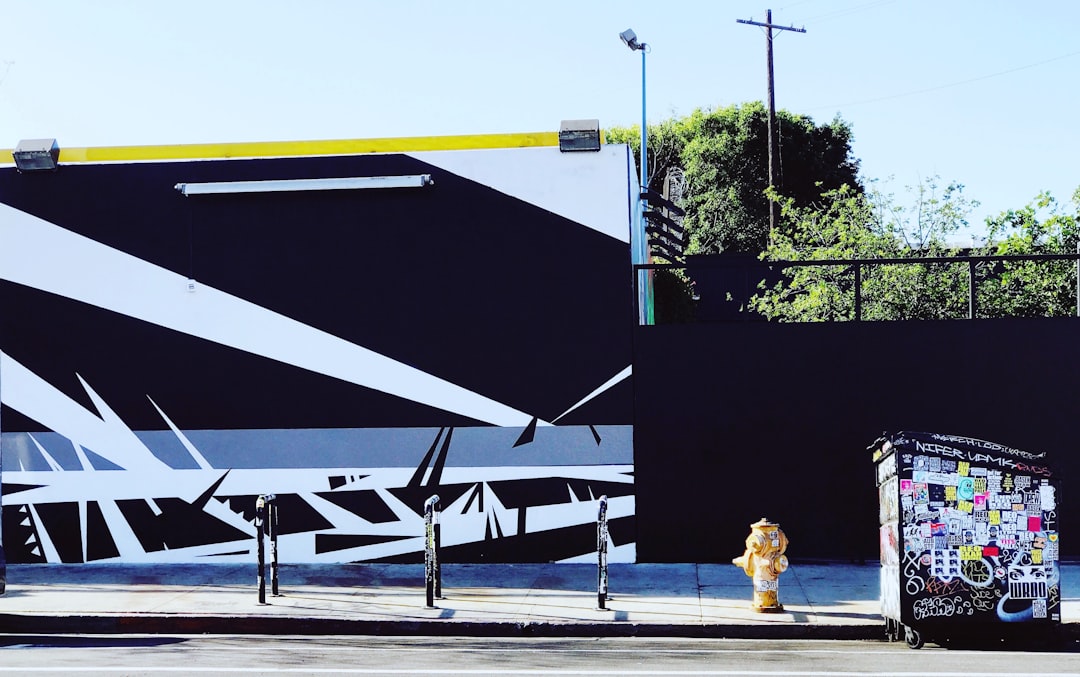
We followed the truck as it threaded past a mural on Sunset Boulevard and then slowed by a Spanish roof in Highland Park. The driver, Antonio, parked, set out cones, and lifted a metal cage of orange cones and safety flags from the back. He smelled like diesel and citrus. “We try to get these in before nine,” he explained. “Permits, meters, neighbors—stuff gets complicated after five.”
Rising Action: A Suddenly Complicated Job
Three days into demolition, David realized they’d misjudged how much would come out of the kitchen. Cabinets, plaster, tile, a half-dozen porcelain fixtures, and a rusted sink filled faster than anyone expected. Maria pointed at the contractor’s tablet. “We underestimated. One more dumpster, and we need to move this to the alley. Also, check the city permit—we might need a street permit in front of the house.”
That is when the tension of a renovation—common yet unpredictable—pulled tight. How big should the dumpster be? Where would it fit on a narrow Highland Park street? Could they avoid a fine in the City of Los Angeles? The stakes were both practical and emotional. David had taken this on to build a safe, sunny kitchen for his mother, who would soon come from Culver City for the holidays. Every delay was not just a schedule hit; it was a promise he needed to keep.
Key Insights Woven into the Story
As the crew worked, practical lessons came alive, tucked between the sounds of clanging metal and the smell of fresh-cut wood. “You can’t put tires in a roll-off—those go separately,” Antonio said, lifting a flattened cardboard box. “And never mix hazardous materials with regular waste.” Maria nodded and added, “Paints, solvents, batteries—those need special disposal. We take them to a hazardous waste drop-off in Glendale or arrange a separate pick-up.”
Here are the essentials they shared, made vivid by the context of the job:
- Dumpster types and sizes: Roll-off dumpsters are commonly measured in cubic yards—10, 20, 30, 40-yard sizes. A small apartment cleanout or bathroom demo often fits in a 10- or 20-yard; full-home renovations in Los Angeles usually need 30-40 yard containers. In a place like Beverly Hills with tight driveways, smaller dumpsters or multiple short-term rentals may be necessary.
- Permits and parking: If the dumpster sits on the street in the City of Los Angeles, a temporary street occupancy permit is often required. Santa Monica, Long Beach, Glendale, and other cities have their own rules—some require a permit to block a sidewalk or driveway, others charge for meter removal. It pays to call the city public works or check the local website before scheduling delivery.
- Weight limits and overage fees: Many dumpsters have weight limits. Asphalt, concrete, brick, and soil are heavy and can quickly exceed a container’s allowance, leading to extra charges. Antonio flagged a stack of pavers. “If you’re in Torrance or Long Beach and you’re demo’ing concrete, plan for a heavy load.”
- Recycling and landfill diversion: Los Angeles County increasingly emphasizes recycling. Construction and demolition (C&D) materials—metal, clean wood, concrete—should be separated when possible. Some companies offer mixed-waste dumpsters but will charge more and divert what they can to recycling centers.
- Hazardous materials: Old paint, solvents, asbestos, lead-based paint chips, and certain electronics are not allowed in standard dumpsters. “We schedule a separate hazardous pick-up or direct clients to approved drop-off centers,” Maria said. She described taking old fluorescent tubes to a certified facility in Burbank last month.
Midstory: Choices and Consequences
David faced a choice: squeeze everything into one overstuffed dumpster and hope for the best, or call for a second container and keep the project clean and on schedule. He weighed cost against risk. The project had a tight budget, but the memory of a friend’s nightmare—neighbor complaints, a surprise fine, and a week-long delay on a Venice remodel—hung heavy.
He walked outside and watched a neighbor across the street, a gardener from Pasadena, place a bag of green waste by a neatly trimmed hedge. The gardener waved. “We always separate the green—compost keeps the truck from smelling like a landfill for blocks,” he said. The simple act of separating yard clippings, wood, and metal made the decision easier. David called the dumpster company and ordered a 20-yard for household debris and a smaller 10-yard specifically marked for recyclables: metal, clean wood, and cardboard.
Practicalities in Practice
When the second dumpster rolled in, it felt like a relief more than an expense. The men set it on wooden blocks to protect David’s driveway and secured reflective flags. A neighbor from Glendale leaned over the fence and asked, “Do you need help hauling that old dishwasher?” Little exchanges like this—offers of help, quick advice—are part of LA renovator culture.
Maria taught David to pack the dumpster smartly: spread heavy items across the length to balance weight, break down large pieces, and keep pathways clear for safety. “Think Tetris,” she laughed, tossing a plank into the bin. “Load heavy stuff first, then bulkier, lighter things on top.” She also emphasized personal safety: gloves, dust masks, and eye protection. “Chances are you’re dusty all day—you don’t want that in your lungs.”
One Afternoon in Santa Monica
Two weeks later, David drove to Santa Monica to collect tile samples for his new backsplash. The smell of the ocean mixed with car exhaust as he wandered past beachgoers. On a construction site near the pier, a dumpster sat overflowing with mixed debris—a small lesson in visibility. A city inspector had written a notice about material separation. The crew there waved at David. “We learned the hard way—got fined last month,” one said, pointing to a stack of separated metals and a sign advertising a recycling partner. “Get ahead of it. It’s cheaper and better for the neighborhood.”
Resolution: The Last Load
On a cool morning in late November, with the mountains catching the light, the last load went in. Maria clipped a corner of the drywall and handed it to David. “That’s it,” she said softly. The dumpster door slammed; Antonio marked the ticket as full and the crew padded down the alley with the careful rhythm of people who have finished a job well. David looked at the clean space where his kitchen once squatted in chaos and felt an unexpected tenderness for the city around him—the neighbors who offered help, the workers who showed up in the rain, the city inspector who simply wanted compliance rather than confrontation.
The truck pulled away, carrying the day’s dust like a comet tail. The house felt lighter. The smell of coffee in Echo Park, the citrus diesel on Antonio’s jacket, the breeze from Santa Monica—all of it lingered like a soundtrack for a small victory. Maria turned to David. “Now we build.”
Takeaways: What to Remember and Do
What should you take from David’s story if you’re planning a renovation or cleanout in Greater Los Angeles? First, plan the waste removal as part of the job, not an afterthought. Second, know the rules in your city—Los Angeles, Santa Monica, Long Beach, Glendale, Pasadena, Burbank, Torrance, Inglewood, and neighborhoods like West Hollywood or Bel Air may have different permit and recycling requirements. Third, separate what you can: metals, clean wood, concrete, and green waste often have better disposal paths and can reduce costs. Fourth, respect weight limits and avoid hazardous materials in a standard dumpster. Fifth, prioritize safety for workers and neighbors.
Finally, communicate. Talk to your contractor, your dumpster provider, and your neighbors. A well-placed phone call to the local public works office—whether it’s the City of Los Angeles Bureau of Street Services, Santa Monica Public Works, or Long Beach’s permit services—can prevent fines that cost far more than a small permit fee. And when in doubt, ask the dumpster company about recycling options and hazardous-waste handling; a reputable provider will guide you through the local rules.
The last image of that project stayed with David: the sun sliding over the tiles of his newly exposed countertops, a clean driveway, and the empty space where noise had been. The alley was quiet except for a gull calling somewhere toward the ocean, and for the briefest moment, Los Angeles felt like a small town—neighbors exchanging tools, a driver shutting off his truck, a contractor marking the next delivery. The dumpster had done its job: it took away the old so the new could arrive, and in its wake it left a neighborhood a little neater, a project one step closer, and a man with a promise kept.
If you find yourself standing in a doorway with a dusty cup of coffee, listening to the jackhammer and wondering how you’ll get from chaos to completion, remember the scene in David’s lane: plan ahead, separate materials, check city rules, and treat the process as part of the craft. In a city that runs on rhythm and reinvention, the right dumpster at the right time is not just a container—it’s the hinge between what was and what will be.