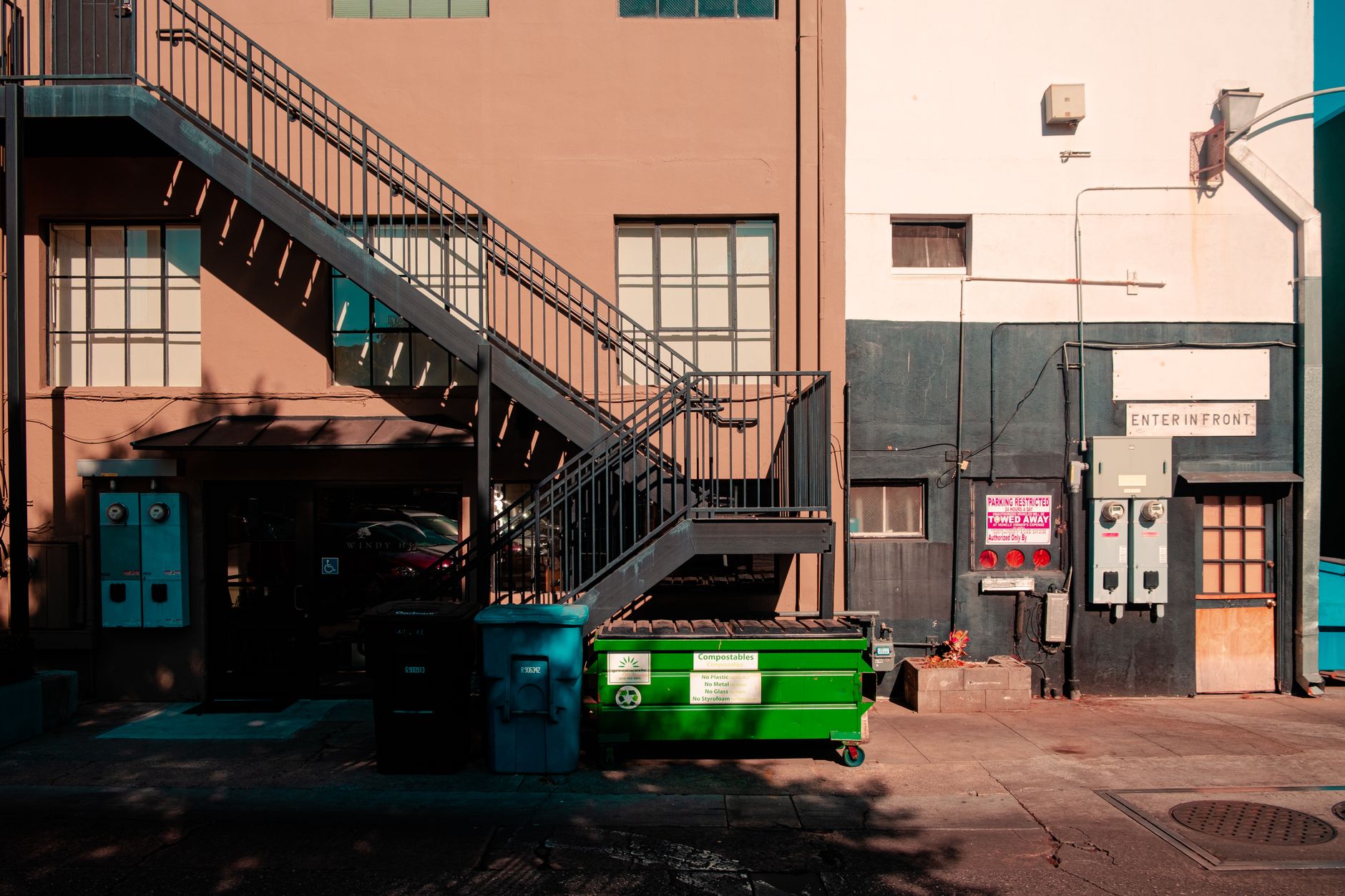
The first time Maria saw the dumpster outside her Echo Park bungalow, she felt both liberated and strangely exposed. It sat like a black metal piano on the curb, its lid propped open, catching the late afternoon light. Sawdust perfume mixed with the city’s underlying citrus and car-oil tang. Neighbors paused on sidewalks; a dog barked; a skateboarder coasted past and gave it a curious once-over. “It looks like a prop from a movie set,” her neighbor laughed. But for Maria, who was three weeks into a kitchen renovation that had unspooled into a housewide purge, that dumpster was a lifeline.
Setup: The Cast, the City, and the Decision
Los Angeles is a city of reinvention: bungalows become rental suites in Silver Lake, a West Adams Craftsman finds new life as a boutique shop, and a tired Malibu beach cottage gets sculpted into coastal minimalism. Each reinvention leaves debris, and often a run of junk—old cabinets, plaster, broken tiles, yard waste—that needs a decisive exit. Maria, a schoolteacher who had moved to Echo Park from Burbank, is our protagonist in this tale. Her contractor, Jose, a soft-spoken man who grew up watching the skyline change from his window in Downtown LA, recommended a roll-off dumpster.
“Ten, fifteen, twenty, thirty—what are you thinking?” Jose asked, wiping sweat from his brow after hauling a stack of drywall down the driveway. In the background, the digital hum of a construction radio and the clang of a hammer kept time with the street.
Choosing a dumpster is a practical negotiation and a choreography. Los Angeles residents must think about permits if the container will sit on a city street in neighborhoods from Hollywood to Pasadena, or near high-traffic stretches in Culver City or Inglewood. City Hall’s sign permits, HOA rules, and the rhythm of L.A. parking enforcement all play a part in the decision.
Rising Action: Logistics, Limits, and Local Flavors
The roll-off truck had to thread down a narrow lane in Echo Park, passing a lemon tree heavy with fruit and a line of succulents that Maria had planted the summer before. Jose called the hauler to confirm placement and heard the low rumble of a diesel engine approach. He told Maria, “We’ll go 20 yards. You’re getting rid of cabinets, sink, some tile. It’ll give us room for the drywall and flooring debris.” He warned her about weight limits: most dumpsters have a baseline tonnage, and in Greater Los Angeles, renters often pay overage fees if they exceed that limit by packing in dense materials like concrete or dirt.
Logistics differ across the region. In Santa Monica and Malibu, environmental rules are stricter; projects near the coast often require careful disposal of hazardous materials and a larger emphasis on recycling and green waste. In industrial pockets of Carson or Torrance, transfer stations and recycling facilities operate differently than those serving residential neighborhoods in Pasadena or Glendale. Long Beach, with its port and heavy industry nearby, has distinct hauling corridors and local ordinances. If you’re in Culver City or West Hollywood, noise restrictions and street cleaning schedules can determine the best times to drop off or pick up a dumpster.
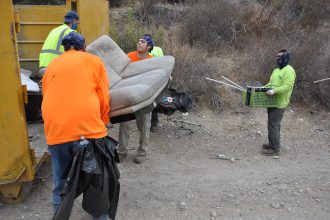
On Maria’s block, the sight of the dumpster had a ripple effect. An elderly neighbor from a Victorian-turned-BNB on the corner came over with a bag of old blankets she’d been meaning to donate. Two teenagers stopped to inspect a discarded mid-century lamp and joked about starting an Etsy shop. An urban gardener from nearby Silver Lake asked if she could take the bricks. The dumpster, oddly, was a community magnet—an object that encouraged exchange, generosity, and small acts of reuse.
Key Insights: Practical Wisdom Woven into the Story
As dust settled and the work progressed, Jose began dropping tips between hammer blows. “Keep hazardous materials out,” he said. “Paint, solvents, batteries, and fluorescent tubes can’t go in here. You call the city’s hazardous waste line or find a household hazardous waste drop-off—Santa Monica and Los Angeles both have programs. And separate wood and green waste if you can—many haulers will roll that off to different facilities and it saves money.”
He also explained sizes: 10-yard dumpsters are good for small cleanouts, 15- and 20-yard for medium remodels, and 30- to 40-yard for major renovations or large-scale yard projects in Torrance or Norwalk. Pricing in L.A. is a function of size, weight, and distance to the disposal facility; typical local ranges can be anywhere from a few hundred to over a thousand dollars for sizable jobs. Jose advised, “Ask about flat fees, hidden charges, permit handling, and whether they recycle. Trust the hauler who can tell you which transfer station they’re using and what happens to the materials.”
Permits are a recurring motif. For street placement in the City of Los Angeles, a curb-lane permit from the Bureau of Street Services is often required; other municipalities like Pasadena, Burbank, and Long Beach have their own rules. If the dumpster sits on a private driveway, a permit may not be necessary—but protecting the driveway with plywood is critical to avoid damage. Jose placed stout cedar planks beneath the metal feet and explained, “This stops dents and keeps the driveway clean. People forget that, and then they’re dealing with stained concrete and a bill from their association.”
Maria learned about weight density the hard way when a neighbor suggested loading with a bag of soil. “Dirt is heavy—it’s money,” Jose warned, brushing off a palmful of cement dust. “If you load it with dirt or concrete, you’ll burn through your weight allowance fast. Spread out the heavy stuff and plan for a heavier dumpster if needed.”
Resolution: The Turning Point and the Pickup
Weeks later, as the last cabinet fell into the dumpster with a dull thud, Maria stood with a sense of astonishment. What had once been a disorderly collection of old things had been transformed not only into clean countertops and new tile but also into an organized plan of disposal. On pickup day, the roll-off truck returned at dawn, the driver navigating side streets from Hollywood through Glendale with practiced ease. He lined the chute, set the straps, and Maria watched as the dumpster was hoisted and secured, its contents disappearing into the metallic maw of the truck.
“You’ll get a receipt and a load ticket,” the driver said, handing her a small slip of paper with a lot number and the transfer station location. In Los Angeles, documentation helps track where materials end up and is useful for permits or any HOA reviews that require proof of responsible disposal. Maria tucked the receipt into her renovation folder with the contractor invoices and the permit—evidence of a well-run project.
After the truck left, the curb looked spare and neat, like a stage cleared after a scene change. The scent of fresh paint drifted on a warm breeze; a stray plank of wood lay against the fence, ready for a neighbor to pick up. The street returned to its usual rhythm: a cyclist rang a bell, a bus sighed at the corner, and the lemon tree offered a small spill of yellow onto the sidewalk.
Takeaway: What to Remember and Do
Maria’s story is common across Greater Los Angeles—from the beachside strips of Manhattan Beach to the hillside streets of Pasadena. The lessons she learned apply to anyone facing a renovation, a neighborhood cleanup, or a yard overhaul:
- Choose the right size: 10–40 yards are common; err on the side of a slightly larger container to avoid multiple rentals.
- Know the rules: Permits may be required for street placement—check with your city (Los Angeles, Santa Monica, Pasadena, Burbank, Long Beach, etc.).
- Separate and save: Remove hazardous items, and segregate recyclables and green waste to reduce costs and environmental impact.
- Protect surfaces: Use plywood or wooden skids to protect driveways and sidewalks when placing the dumpster.
- Ask for documentation: Get a load ticket or disposal receipt for permit compliance and peace of mind.
- Plan timing: Arrange drop-off and pickup around noise ordinances, street sweeping, and neighborhood parking patterns.
- Price smart: Understand what’s included—delivery, pickup, disposal fees, weight allowances, and overage rates.
Beyond the practicalities, there’s a human side. The dumpster on the curb became a meeting place, a connector between Maria and her neighbors, an opportunity for donation, reuse, and small acts of neighborhood barter. “I didn’t realize how much stuff could find a new life,” Maria said as she handed a lamp she’d set aside to a young couple heading to grad school in Burbank. “It felt good to see things go to people who needed them, not just a pile taken away.”
Across Greater Los Angeles, dumpsters are more than metal boxes; they’re tools of transformation. They facilitate change—not only in homes and businesses but in communities. They carry away the old and make room for the next chapter: a new kitchen in Echo Park, a refreshed storefront in Culver City, a cleaner beachwalk near Venice. When handled responsibly—with the right permits, the right hauler, and a little neighborhood courtesy—a dumpster is a small, unsung part of Los Angeles’s continual rebirth.
As the sun slid behind the hills that evening, Maria stood in her new kitchen, listening to the distant noise of the city she loved. The gutters glimmered with the last amber light. The dumpster was gone, but its absence felt like a presence—a cleared stage, a promise. She opened a window, breathed in the cool air, and smiled: the house, like the city, was ready for the next scene.