They say a neighborhood reveals its heart in the smallest details: the rhythm of morning garbage trucks, the scent of street tacos at dusk, the way a sagging fence leans into secrets. For the block between Sunset Boulevard and Echo Park Lake, the moment of truth arrived not with a mayoral ribbon-cutting but with a 20-yard steel box and the sound of brakes on gravel.
The Morning the Alley Changed
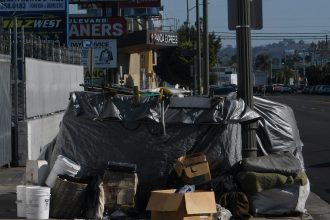
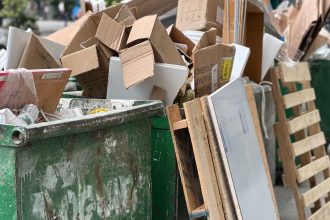
It was early June when Maya noticed the pile of demolition debris creeping like ivy along the alley behind her bungalow. She’d hired a contractor to open up a sunroom—just a modest tear-out—but days of work had turned the back lane into an obstacle course of plaster dust, splintered decking and bent nails. By midweek, the sight of that heap was already changing how people moved through the neighborhood: delivery drivers detoured, kids took a longer route home, and Mrs. Alvarez next door called the city to complain about vermin.
“We need a dumpster,” said her contractor, wiping sweat from his brow beneath the July sun. “I’ll order a 20. Easier than trips to the transfer station.”
Ordering a dumpster in Los Angeles sounds like a small errand—pick a size, point the truck, and go. But as Maya would learn, in a city stitched together from neighborhoods like Santa Monica, Burbank, Long Beach and Torrance, a dumpster is as civic as a parking meter and as political as a zoning map.
Rolling In: Permit Lines and Narrow Lanes
The challenge began with placement. “If you want it on the street, you’ll need a permit,” the dispatcher said when they called the hauler. “City of Los Angeles Bureau of Street Services requires it for any container on the public right-of-way. Santa Monica, Culver City, Pasadena—same story. Each city has its forms and lead times.”
Maya pictured the dumpster sitting in front of her house on Sunset, but her driveway—a patch of cracked concrete and a mature jacaranda tree—was already claimed by a parked car. The only logical place was the alley. The hauler warned them about overhead wires and tight turns. Burbank’s alleys are friendlier; Hollywood’s are not. The driver suggested plywood under the dumpster to protect the asphalt and a call to the local utility to ensure the truck’s boom wouldn’t snag power lines.
In Los Angeles, there are other subtleties: curb cuts that belong to homeowners, historic district restrictions in Hancock Park, HOA rules in Brentwood. A dumpster on the street can attract fines or angry notices from an HOA board if the paperwork wasn’t filed. The city might also impose time limits—no street placement overnight, or only during certain hours—adding another layer to the planning.
Noise, Dust, and the Human Stories That Follow
When the roll-off arrived, it sounded like an orchestra tuning. Hydraulic pumps hissed, the flatbed reversed with precision, and the crate dropped with a metallic finality that made Mrs. Alvarez peek from her window. The smell of fresh paint intermingled with sawdust. Neighbors came out—some curious, some annoyed. Conversation bubbled up.
“You do this often?” an elderly man from down the lane asked Maya, leaning on his cane. “These trucks always leave a mess.”
“Not often,” Maya said. “But we’re trying to keep it tidy. We’ll cover it at night and donate anything we can.”
Her contractor, Elena from Culver City, had a habit of talking through logistics while she worked. “Separate the metal and the clean wood,” Elena told the crew. “Concrete and brick go in a different pile. If it’s mixed in the dumpster, disposal costs jump—weight fees and transfer station surcharges. And no paint cans, batteries, tires—those are hazardous and need special handling. Take the old windows out to a glass recycler. The city sometimes waives fees for separated materials.”
Learning the Local Rules Without Losing the Plot
That afternoon became a crash course in Los Angeles waste logistics. Roll-off dumpsters commonly come in sizes like 10, 20, 30 and 40 cubic yards—the 20-yard being a neighborhood favorite for home renovations. Choice of size matters: too small and you pay for an extra trip; too big and you pay for unused space and higher rental costs.
Then there’s the weight. Most haulers quote a regulated rental rate that includes a weight allowance—exceed it and you pay per ton. Concrete and dirt are deceptively heavy, while wood and furniture take up more volume for less weight. Elena showed Maya how separating heavy materials into a different pile could cut disposal fees dramatically—truckloads heading to transfer stations in San Pedro or Sunshine Canyon scored different rates depending on waste type.
And the list of forbidden items was longer than Maya expected: fluorescent tubes, solvents, oil, asbestos-containing materials, and tires need special handling. Electronics—TVs, monitors, some appliances—must be recycled or taken to designated drop-off spots. Cities like Long Beach and Glendale offer household hazardous waste collection events; others rely on private contractors. The takeaway: when in doubt, ask before you toss.
Neighbors, Negotiations, and the Rhythm of Removal
On day three, tension rose. Trucks idled in the lane while neighboring businesses worried about deliveries. A sandwich shop owner in Echo Park complained that the dumpster blocked his delivery van. Maya’s walk-up neighbor threatened to call the police if the dumpster wasn’t moved off the alley by evening.
Elena took charge. She called the hauler, got the expected pickup window, and negotiated a temporary shift: the truck would swing by at six a.m. before breakfast rush. “Timing matters,” she told Maya. “Schedule pickups during off-peak hours—early morning or late afternoon depending on your block—and communicate with neighbors. Give them a heads-up and it reduces friction.”
It worked. The crew arrived before dawn, the dumpster was hoisted onto the truck with practiced grace, and the lane breathed again—free of splinters and plastic wrap. The streetlights blinked as if applauding the order restored to the block.
Smart Moves: Saving Money, Reducing Waste
Between the dust and the small victories, Maya picked up practical tips that turned abstract rules into tactics she could use next time. First, sort on-site: designate piles for concrete, metal, clean wood, green waste and general trash. Metals fetch recycling credits; clean wood can be recycled or turned into mulch in some transfer stations. Second, donate usable items: old doors, appliances in working order, and unbroken fixtures often find takers through local charities in West Hollywood, Venice, or even online community groups for neighborhoods like Silver Lake.
Third, protect surfaces: plywood under the dumpster saves driveways from gouges and possible disputes with neighbors or city inspectors. Fourth, avoid illegal dumping: fines for construction debris left on sidewalks or in alleys can escalate quickly and hurt your reputation with the block watch or HOA. Finally, vet your hauler: ask for the transfer station destination and proof of proper disposal. A licensed hauler will provide documentation and transparency on where materials end up—transfer station, recycling yard, or landfill.
The Day the Alley Forgot Its Worry
When the truck finally left, it took the noise and the last of the dust with it. The alley looks different when it’s clean—shadows lengthened without the pile, the jacaranda’s flowers fell like confetti onto bare concrete. Mrs. Alvarez brought over lemonade. The sandwich shop owner waved. Even the old man with the cane tipped his hat.
For Maya, the dumpster removal was more than hauling away debris. It was a public choreography—permits filed with the city, conversations with neighbors in Glendale and Inglewood, a careful split of materials for the transfer station, the driver who knew every alley cut in Downtown LA. Each choice—size, placement, schedule—made a ripple across the block, turning potential conflict into cooperation.
What to Remember and What to Do
If you’re about to take on demolition, a major cleanup, or a home renovation in the Greater Los Angeles Area, keep these practical rules in your pocket: choose the right dumpster size; check whether you need a street permit from the city (Los Angeles, Santa Monica, Pasadena, Long Beach and other municipalities often require them); separate heavy materials from light to avoid weight surcharges; never place hazardous waste in a standard dumpster; schedule pickups for off-peak times; protect driveways with plywood; and always confirm disposal destinations with your hauler.
Most importantly, talk to your neighbors. A short text, a printed notice on the block, or a friendly chat over a glass of cold lemonade can prevent fines, complaints, and misunderstandings. Los Angeles is a tapestry of communities—Malibu and San Pedro, Compton and Carson, Torrance and Norwalk—and each patch has its own rhythm. Respecting those rhythms makes your project smoother and the neighborhood kinder.
The Last Frame: An Alley Let Go
Weeks later, Maya stood at her back gate and watched the alley’s ordinary miracle: an afternoon breeze lifting jacaranda blooms across a clear path where rubble once lay. A young couple wheeled a stroller past without a second glance. A delivery truck turned into the lane without care. The dumpster, the permits, the negotiations—none of it dramatic now—only the residue of care remained: a repaired driveway, a receipt showing the transfer station destination, a pile of salvaged metal ready for pickup at the recycler in Vernon.
As the sun set over the hills of Los Angeles—from downtown’s glass towers to the palm-lined strips of Beverly Hills and the glittering edge of Santa Monica—the alley breathed easy. For a city that often feels too big for tenderness, the day a dumpster came and left taught a simple truth: when we plan with care and respect for the rules and the people around us, even the heaviest things can be set down and carried away.
And so the street slept, washed in the gold of evening, a clear lane that remembered how to be used again.