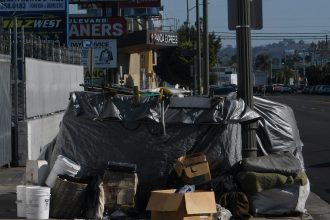
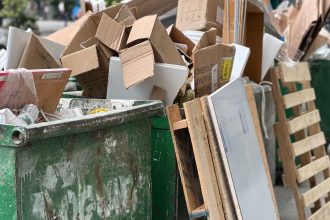
The morning the dumpster arrived, the air over Echo Park tasted like cold coffee and dust. Cars hissed by on Sunset Boulevard, a dog barked three houses down, and the rumble of an engine grew until a rusty orange roll-off settled into the driveway with a metallic sigh. Lena stood on her front steps, hands clenched around a travel mug, watching as Ramon — the driver — hopped down, wiped his palms on his jeans, and said, “This one’s gonna fit perfect. You ready?”
The Setup: A Home, a Plan, and the Decision to Clear Out
Lena had lived in the bungalow for twelve years, long enough for a hundred small projects to become mountains of debris: a kitchen torn between iterations, a backyard that had become a dumping ground for broken patio chairs and a weed-infested sandbox, boxes of old textbooks stacked against a wall. She wanted this place to feel like home again. So she called three dumpster companies — one in Glendale, one in Culver City, and the one Ramon worked for out of Torrance — and booked a 20-yard roll-off for a midweek drop-off. The plan was simple: clear out, donate what was usable, recycle what could be salvaged, and send the rest away.
Rising Action: First Load, Second Thoughts
They started with the kitchen. The first clang of ceramic plates hitting metal felt dramatic. Old plaster, a stack of bent nails, and a window screen landed in the dumpster with a hollow, echoing thud. “Careful with that box,” Lena told her neighbor Miguel from across the fence. He peered over, squinting in the pale sunlight. “You sure you don’t want to keep the cabinets?” he asked. “No, they’re gone,” she answered. “This is the clean slate I keep promising myself.”
By late morning, the pile of soft items — worn rugs, threadbare cushions, a futon mattress — had created a faint, musky smell that rode the warm air. The truck’s diesel lingered for a moment every time Ramon circled back. He offered tips without being asked: “Separate the metals, lady. We take the scrap separate; helps keep your price down. And no paints in that load, okay? Hazardous stuff needs special drop-off.”
Lena realized she hadn’t planned for everything. The city’s rules, the weight limits, the hidden costs — they began to gather like dust motes as she learned. A quick call to the company in Long Beach confirmed a detail she hadn’t expected: if the dumpster sat on the street in front of her house in Los Angeles, she might need a permit from the City of Los Angeles Bureau of Street Services. “They’re picky about the right-of-way,” the dispatcher said. “If it’s on public property, you need a permit. If it’s on your driveway, you’re fine.”
Key Insights Along the Way: What Dumpster Removal Really Entails
The work slowed, and between loads Lena and Ramon traded practicalities like two old pros passing tools. He taught her the language of sizes — 10-, 20-, 30-, and 40-yard dumpsters — and how each one fit different projects. “A 10-yard works for small cleanouts, patio furniture, a bathroom gut. Twenty’s the magic number for most remodels — kitchen, small remodels. Thirty and forty are for big jobs, demo and full-house clears,” Ramon explained, tapping a gloved hand against the dumpster’s rim.
He also explained weight vs. volume. “That couch looks light, but it eats up tons of space. Concrete and tile? Heavy. We charge by weight sometimes. Always toss the metal separate — contractors buy that back.” Lena took notes on her phone: “Keep concrete separate; save receipts for donations; get permit if on street; no hazardous waste (batteries, paint, solvents); call for same-day pickup if scheduling changes.”
She learned about disposal responsibility in Los Angeles County: much of the city’s debris gets sorted at transfer stations and landfills, and California’s strong recycling laws mean some materials are diverted from landfills to be reused or recycled. Ramon mentioned local options for drywall and wood recycling, and that green waste often had separate paths. “Santa Monica has rules about certain types of green waste and large-item pickups if you’re a resident,” he said. “Long Beach and Pasadena have their own programs too — always good to check city ordinances.”
Scene: The Dumpster as a Character
The dumpster itself became a character in the house’s story, an iron maw that accepted the past and promised a cleaner tomorrow. Kids from down the block poked their heads through the hedge to gawk at it. The sound of footsteps — neighbors, workers, the occasional street musician — created a tapestry of urban noise. Lena would stand at the kitchen window and watch the sun hit the corrugated metal, making the dumpster shimmer blue-green like a tired sea. When she closed the window, the smell of old carpet and the hint of motor oil faded into the smell of lemon-scented cleaner and fresh paint.
One afternoon, as Lena hauled out a box of photo albums, she almost stopped. Old smiles stared up from Polaroids, and she heard the whisper of memory. “You don’t have to toss everything,” Miguel said softly. “Remember what matters.” She set aside a single album — the rest could go. The dumpster purred along, indifferent but dutiful.
Practical Decisions: Permits, Placement, and Prices
Practicality crept back into the forefront as the project progressed. Lena learned about placement: keep the dumpster at least a foot from any structure to avoid damage when the truck backs in; use wooden planks if your driveway is delicate; and mark the area if the drop-off would block a sidewalk or a neighbor’s view. She arranged for protective driveway pads under the dumpster’s tires so the concrete wouldn’t scar.
Price became a negotiation in her head. The quote from the Glendale company had been higher but included a permit. The Torrance crew’s price was lower but excluded permit fees and potential overage charges for weight. Ramon advised to request a written quote that spelled out what’s included: flat rate, per-ton fees, fuel surcharges, and landfill fees. “Get it in writing or you’ll regret it,” he said.
Rising Tension: A Permit and a Rainstorm
Midweek, dark clouds rolled in from over the Santa Monica Mountains. The weather app blinked warnings, and mailboxes clattered in a sudden gust. Lena’s permit application had been delayed by an office snafu at the city, and a neighbor called worried about the dumpster staying overnight on the street. Then the rain started, thin at first, then in earnest, turning the pile of debris into a sodden mass. The smell shifted from dusty musk to wet, organic tang. Water pooled in the dumpster’s corners, and a soggy box of magazines began to leak ink.
Ramon climbed into his truck with an apologetic shrug. “We’ll cover it with a tarp tonight. Can’t have that sitting there all wet — adds weight, makes a mess, and some materials become hazardous when soaked.” Together they stretched a blue tarp across the top and secured it with a rope looped through corner hooks. The tarp made a rustling sound like paper as the wind pushed against it, and Lena felt strangely comforted by the simple action.
Resolution: The Last Trip and the Satisfied Quiet
By Saturday, the final haul was being loaded. The sun cut through the clouds, and the house smelled like lemon oil from furniture polish and fresh-baked bread Miguel had brought as a peace offering for the noise. There was a ritual to the last load: a final sweep of the garage, a last look at the old paint cans (which Ramon politely refused), and the last box of letters placed in a donation bag to go to a local nonprofit in Downtown LA that accepted archived items. “You’ll feel lighter,” Ramon said, wiping his hands on a rag. “People think it’s about trash, but it’s not. It’s about making space for life again.”
The truck pulled away slowly, the dumpster now empty and shining faintly under the afternoon sun. The driveway looked larger. The backyard had room for a table; the kitchen had room for fresh air. Lena stood on the porch and felt her shoulders drop. The roar of the 101 in the distance continued as always, indifferent to her small victory, but the rhythm of her own breathing matched the city for the first time in months: steadier, full, present.
Takeaway: What to Remember When You Need a Dumpster in Greater Los Angeles
There are lessons that live between the anecdote and the invoice. If you’re planning a cleanout or remodel in Los Angeles or surrounding cities like Long Beach, Pasadena, Burbank, Inglewood, or Santa Monica, remember these practical, human-minded pieces of advice: choose the right dumpster size for your project, separate metals and recyclables to reduce costs, secure the dumpster with a tarp in bad weather, check city rules for permits when placing a dumpster on public property, and always get a written estimate that explains weight and disposal fees. Think about donation and recycling options before you toss; many charities in West Hollywood, Culver City, and Glendale will pick up usable furniture or accept drop-offs.
Most importantly, remember that a dumpster is not just a container for waste; it’s a tool for reclaiming space. When Ramon said, “People think it’s trash, but it’s not,” he wasn’t only selling a service — he was describing the little ceremony that eviction of clutter can become. The transformed bungalow in Echo Park wasn’t just cleaner; it was lighter, ready for new mornings and new smells. As Lena swept the last dust, the neighborhood went on: skateboard wheels clattering in the alley, a barista calling orders two blocks away, children laughing in a nearby yard. But for a moment, the place was quietly hers again, and the dumpster — now a memory of heavy metal and decisions well made — had done its job and rolled away into the city’s weaving lanes.
The final image was simple: Ramon’s truck shrinking down Sunset Boulevard, its taillights blinking like two small promises against the fading light, while Lena stood on her porch cradling a warm mug, the cool LA breeze carrying the scent of the ocean and a beginning she could feel in her chest.