
Most homeowners in Los Angeles put a rented dumpster on their own driveway. It’s usually the simplest option: on private property, a City of LA street-use permit generally isn’t needed. But a loaded roll-off is heavy, the delivery truck is long, and LA’s narrow lots, hillside streets and homeowner associations add complications. This guide covers how to choose a spot, protect your driveway, handle HOA rules and know when the bin has to go on the street instead.
Driveway or street: the first decision
Placement on your own property keeps things simple. Putting a bin on a public street, sidewalk or parkway in the City of Los Angeles requires a permit from StreetsLA, with lead time, fees and placement conditions. Our LA dumpster permit guide covers that process in detail. Other cities in LA County set their own rules, so check with your city if you’re outside the City of LA.
Choose the driveway whenever it can physically fit the bin and the truck can reach it. Go to the street only when it can’t.
Measure before you book
Roll-off bins are delivered by a truck that tilts its bed and slides the container off the back, so you need room for both the bin and the truck. Before calling for quotes:
- Get the bin’s exact dimensions from the hauler. Sizes vary by company; our dumpster sizes guide gives typical ranges.
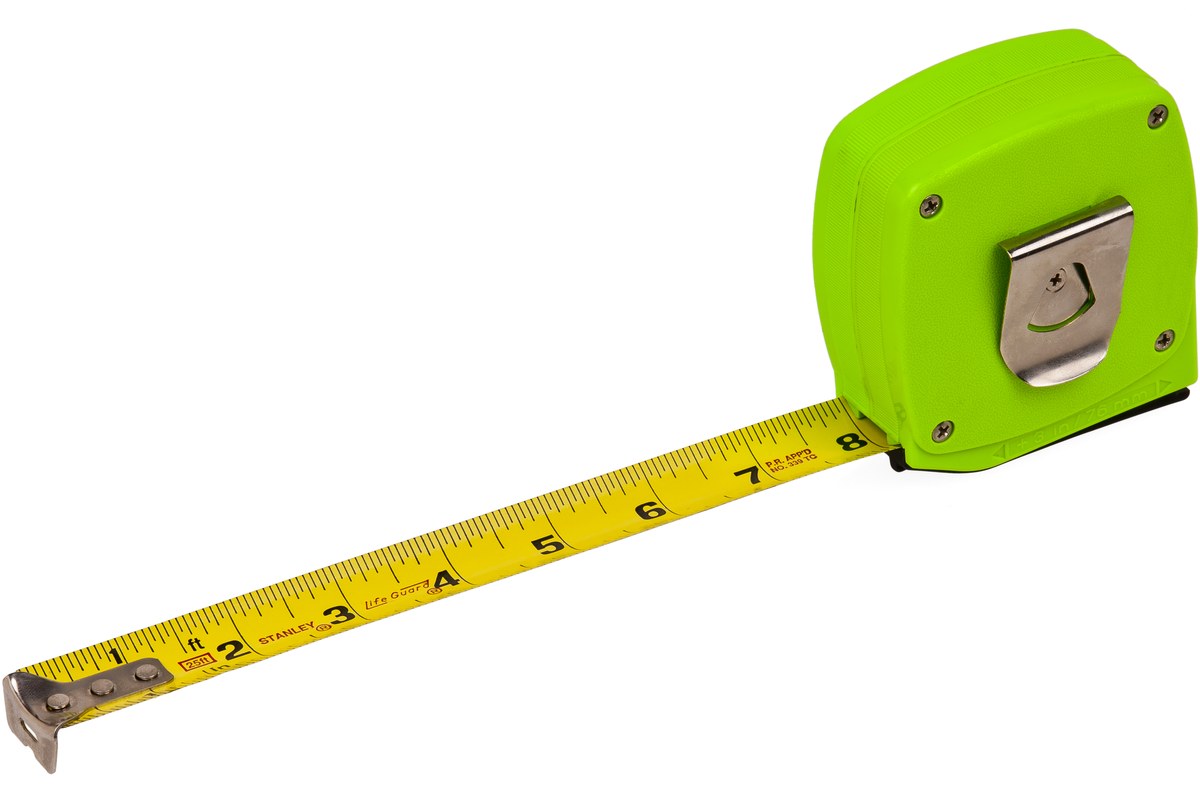
- Measure the driveway’s length and width, including any gate, and leave room on each side so you can walk around and load the bin.
- Check overhead clearance. When the truck tilts its bed, it needs vertical space. Look for tree branches, power and phone lines, eaves and carports.
- Check the approach. Tight turns, narrow streets, parked cars and low walls can all block a long truck. Tell the hauler about them when you book.
- Send photos. Most haulers will tell you from a photo whether their truck can place the bin where you want it.
Protecting your driveway
A full roll-off concentrates heavy weight on its steel rails or wheels. That’s why heavy debris like concrete, dirt and roofing is usually handled in smaller lowboy bins. Damage happens most often with older, thin or already cracked concrete, decorative surfaces and soft ground. To lower the risk:
- Ask for boards or plywood under the rails. Many haulers provide them on request. They spread the load and reduce scraping.
- Place it on the strongest section. Thicker slabs near the garage often hold up better than the thin apron near the street. Avoid edges.
- Avoid pavers, stamped concrete and asphalt in hot weather when possible. These surfaces can dent, crack or shift under heavy loads.
- Keep off lawns, sprinkler lines and septic areas. Soft ground sinks, and buried pipes can break.
- Watch the weight. Load evenly and stay within the bin’s weight allowance. An overweight bin is harder on the driveway and costs more.
- Take before photos. Photograph the driveway before delivery so you can show its condition if there’s a dispute.
- Read the rental agreement. Many rental contracts say the hauler is not responsible for driveway damage when it places the bin where you asked. Know what you’re agreeing to.
Hillside and sloped driveways
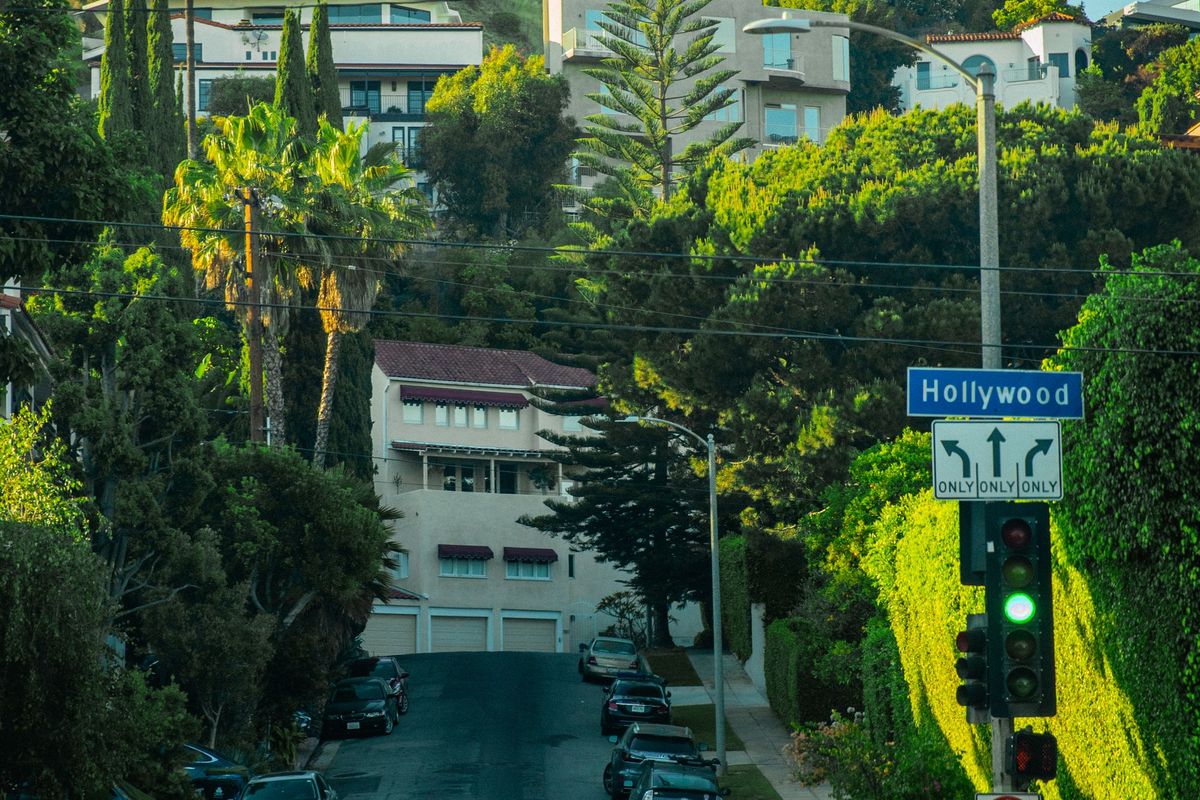
Hillside neighborhoods such as those in the Santa Monica Mountains, Silver Lake or Mount Washington come with steep, narrow driveways and streets. A few extra precautions help:
- Ask about slope limits. Haulers may refuse to place a bin on a steep slope, because a loaded container can shift.
- Use wheel chocks or blocks if the hauler recommends them.
- Consider a smaller bin. It’s easier to place and less likely to slide.
- Plan for the street. If the driveway is too steep, you may need a street permit, and some narrow hillside streets may not allow a bin at all. Junk removal can be a better fit; see our dumpster vs junk removal guide.
HOA and community rules
If you live in a condo, townhome or planned community, your homeowners association may have its own rules about dumpsters, regardless of what the City allows. Common HOA requirements include:
- Advance written approval before the bin arrives.
- Limits on how long the bin can stay, often tied to the project.
- Restrictions on where it can be placed, such as only in your driveway or a specific area.
- Requirements for covering the bin, keeping the area clean or protecting common-area pavement.
- Restrictions on delivery hours.
- Proof of the hauler’s insurance.
Check your CC&Rs and any architectural or construction rules, and ask the management company before booking. Remodel projects in HOAs often require separate architectural approval, and the dumpster request may be part of it.
Being a good neighbor
- Tell your neighbors when the bin is coming and how long it will stay, especially on shared driveways.
- Keep the bin covered with a tarp when you’re not loading it. This prevents blowing debris and stops others from tossing in their trash, which you’d pay for.
- Don’t overfill. Haulers generally won’t take a bin loaded above the rim, since material can fall out on the road.
- Keep the area clean. Sweep up nails and debris around the bin every day, especially after roofing.
- Keep sidewalks clear. A bin on your driveway shouldn’t block the public sidewalk.
What goes in matters too
Placement is only half of compliance. In the City of LA, mixed construction and demolition debris must go through a hauler holding a LASAN permit to a City-certified processing facility. And state law bans hazardous items like batteries, paint and electronics from the trash, according to CalRecycle. Our banned items guide lists where those items go instead.
Delivery-day checklist
- Move cars out of the driveway and off the street in front of the house.
- Mark the exact spot with chalk or tape.
- Lay down plywood or ask the driver to place boards.
- Open gates and secure pets.
- Be home or reachable in case the driver has questions.
- Confirm the pickup date and what’s included in the rental period.
FAQ
Do I need a permit for a dumpster on my driveway in Los Angeles?
Generally not, when it’s fully on private property. A permit is required for placement on a public street, sidewalk or parkway in the City of LA. Your HOA may have its own approval process.
Will a dumpster crack my driveway?
It can, especially older or thin concrete. Boards under the rails, careful placement and staying within the weight limit reduce the risk.
Can my HOA ban dumpsters?
Many HOAs regulate them through their governing documents. Read your CC&Rs and ask the association before booking.
Ready to book? Send your address, driveway photos and project details, and we can connect you with independent local providers who serve your area. Request free quotes and ask each one about placement and driveway protection.
Sources
- LASAN: C&D Recycling Program, sanitation.lacity.gov
- CalRecycle: Waste Banned from the Trash, calrecycle.ca.gov
- StreetsLA permit requirements: see our LA dumpster permit guide for official links
Daily Dumpster is an information site, not a hauler. Placement tips are general guidance; follow your hauler’s instructions, your rental agreement and your HOA’s rules.