
A kitchen or bathroom remodel produces a surprising amount of debris: cabinets, countertops, tile, drywall, plumbing fixtures, flooring and packaging from all the new materials. In California, that debris isn’t just a disposal problem. State building code and local ordinances set recycling requirements for permitted construction work, and in the City of Los Angeles the hauler you use matters. This guide explains the rules in plain terms and how to plan your dumpster around them.
The state baseline: CALGreen’s 65% requirement
The California Green Building Standards Code, known as CALGreen, is part of the state building code. Its residential construction waste section (4.408.1) requires projects to recycle and/or salvage for reuse at least 65% of nonhazardous construction and demolition waste, or meet a more stringent local ordinance. The 2025 edition, effective January 1, 2026, keeps the 65% figure, according to the California Department of Housing and Community Development’s summary of mandatory measures.
CALGreen offers several ways to comply:
- Submit a construction waste management plan.
- Use a waste management company approved by the enforcing agency that can provide verifiable proof that the diverted material meets the requirement.
- For low-rise residential projects, the waste stream reduction alternative: keep total landfilled C&D waste at or below 3.4 pounds per square foot of building area.
Excavated soil and land-clearing debris are listed as exceptions under the state section, though local rules can be stricter.
CalRecycle notes on its C&D recycling page that local jurisdictions must implement CALGreen or their own ordinance, whichever is more stringent. That’s why the rules differ slightly from city to city across LA County.
Which remodels does this apply to in the City of LA?
The City enforces CALGreen through the Los Angeles Green Building Code (LAGBC). According to LADBS, the LAGBC applies to all new buildings, all additions, alterations with building valuations of $200,000 or more, residential alterations that increase conditioned volume, and roof replacements of any value. Many routine kitchen and bath remodels with no structural changes fall below the Green Building plan-check threshold and can be handled with an express permit. LADBS lists “kitchen/bathroom remodel for residential buildings (no structural changes)” among its express permits.
But the City’s hauling rule applies regardless of project size, which brings us to the part most homeowners don’t know about.
The City of LA hauler rule
On March 5, 2010, the LA City Council approved a citywide C&D waste recycling ordinance. According to LASAN:
- All mixed C&D debris generated within City limits must be hauled by a permitted private waste hauler to a City-certified processing facility.
- Haulers and contractors handling C&D waste must obtain a private Waste Hauler Permit from LASAN before collecting or transporting it.
- Building permit applications require contractors to identify their permitted hauler, or provide their own hauler permit if they self-haul.
- Penalties of up to $5,000 can be assessed for every load not taken to certified processors.
LASAN publishes an interactive map of certified processors. Using a permitted hauler that delivers to these facilities is the simplest way for a homeowner or small contractor to stay compliant.
Unincorporated LA County is stricter
If your home is in an unincorporated area (for example, Altadena, East Los Angeles or Marina del Rey), LA County Public Works rules apply. Under the County’s updated C&D Recycle and Reuse Ordinance, implemented August 19, 2024, the required recycling rate for mixed C&D rose from 50% to 70%, soil debris must be recycled at 100%, recycling facilities need third-party certification of their rates, and applicants pay an upfront deposit that is refunded once compliance is confirmed in a Final Compliance Report.
Other cities in the county, like Pasadena, Santa Monica or Long Beach, run their own programs. Check with your city’s building department before you start.
What kitchen and bath debris can be recycled
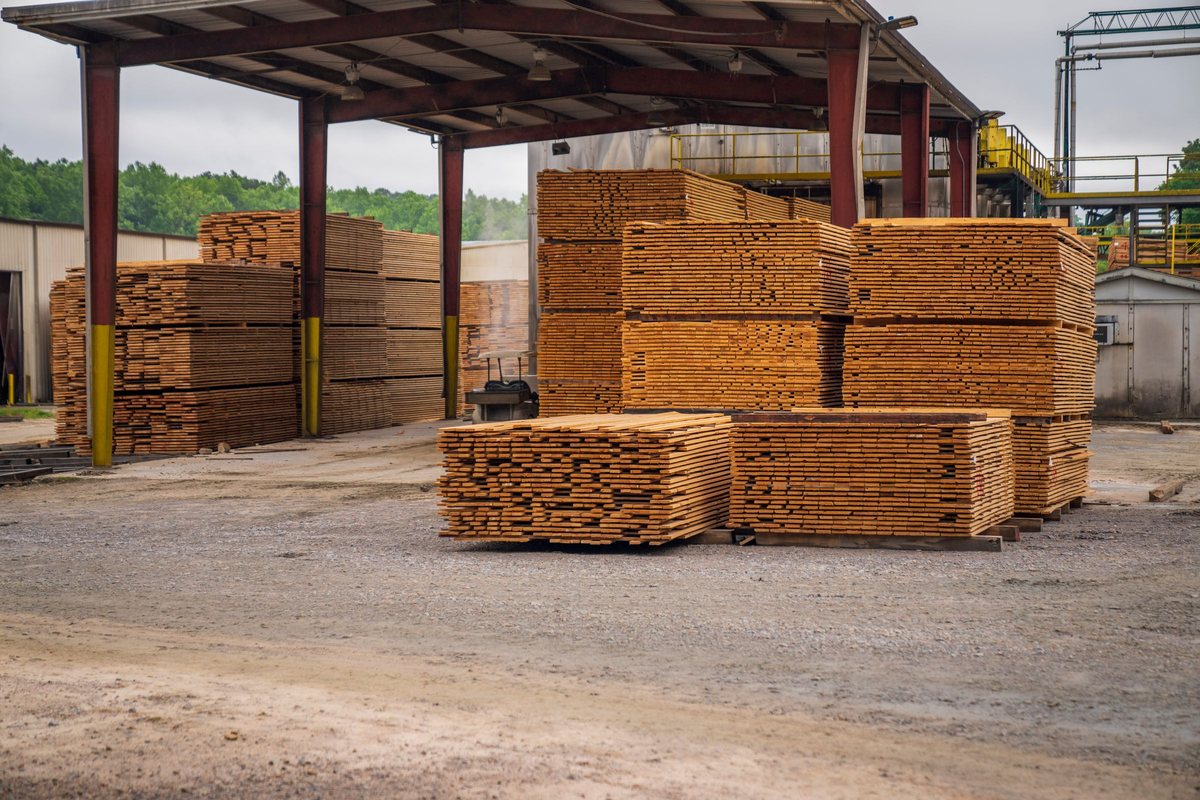
CalRecycle lists lumber, drywall, metals, masonry, carpet, plastic, pipes and cardboard as common C&D materials that can be reused or recycled. LASAN’s examples of recyclable C&D include concrete, asphalt, brick, dirt and mixed inerts, wood waste, gypsum and wallboard, and scrap metal.
| Remodel material | Typical route | Notes |
|---|---|---|
| Cabinets, doors, working fixtures | Donate or salvage | Reuse counts toward diversion; Habitat ReStores accept items in good condition |
| Drywall | Mixed C&D bin or separated | CalRecycle notes drywall can be recycled; keep it dry |
| Untreated lumber | Mixed C&D bin | Wood is the largest share of C&D waste, per CalRecycle |
| Tile, mortar, concrete countertops, stone | Mixed C&D or separate inert bin | Heavy; may justify a lowboy |
| Metal (sinks, pipes, appliances) | Scrap metal | Easy to separate; some haulers prefer it out of the bin |
| Cardboard packaging | Mixed C&D or recycling | Break down boxes to save space |
| Carpet | Mixed C&D | California has a carpet stewardship program |
What must stay out
Remodels often uncover items that can’t go in a C&D bin. CalRecycle’s list of wastes banned from the trash includes paint, solvents, fluorescent lamps, batteries and electronics. CalRecycle also flags universal waste such as mercury switches and thermostats as common in C&D work. Two remodel-specific risks:
- Asbestos: older flooring, wallboard and other building materials can contain it, and CalRecycle notes that even non-hazardous asbestos is generally not accepted at landfills. In the South Coast air district, Rule 1403 governs asbestos during renovation. If a contractor (not the owner-occupant personally) removes 100 square feet or more of asbestos-containing material from a single-family home, AQMD notification is generally required. Get suspect materials tested before demolition.
- Treated wood: pressure-treated framing from decks or exterior work must be handled under DTSC’s treated wood waste rules and kept separate.
Our banned items guide lists where to take each of these.
Sizing a dumpster for kitchen and bath work
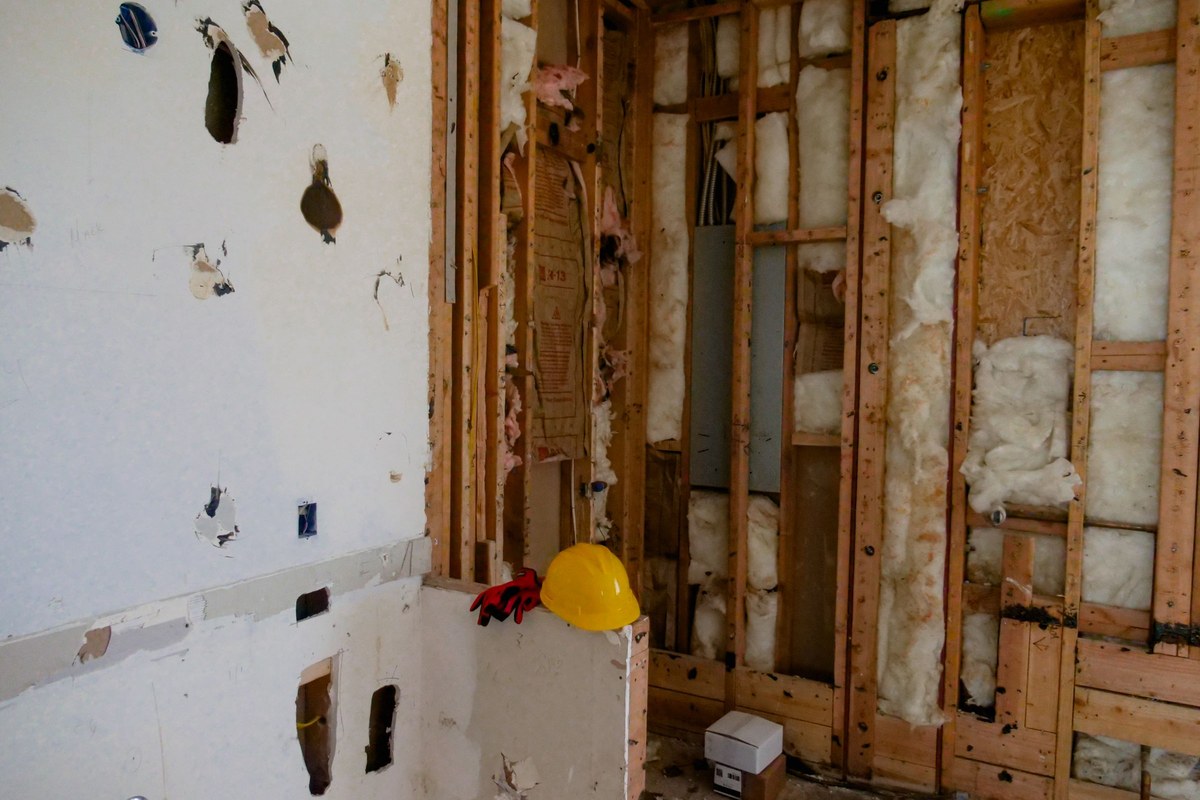
Volume depends on the scope, but some general patterns hold. A single bathroom gut with tile is dense and heavy for its size. A full kitchen with cabinets, countertops and drywall is bulkier. Many projects that combine both end up in the 20-yard range, but ask your hauler and check our dumpster sizes guide. Keep two things in mind:
- Weight limits matter with tile and stone. A bin full of tile and mortar can exceed its included tonnage well before it looks full.
- Separating heavy inerts can save money. If you’re removing a lot of tile, concrete or masonry, a dedicated inert bin may be priced more favorably than mixing it into general debris.
A remodel debris plan in six steps
- 1. Confirm your jurisdiction. City of LA, unincorporated County or another city, since rules differ.
- 2. Check your permit. Your permit application may ask for your hauler. Choose one before applying.
- 3. Remove reusables first. Donate cabinets, fixtures and appliances in good shape.
- 4. Pull hazardous items. Paint, bulbs, batteries and anything suspect go to a S.A.F.E. Center or County HHW event.
- 5. Book the right bin. Use a permitted hauler, and ask whether the load goes to a certified processor.
- 6. Keep the weight tickets. If your jurisdiction requires a compliance report, haulers’ tickets and receipts are what you’ll submit.
FAQ
Do I have to recycle debris from a small bathroom remodel?
In the City of LA, mixed C&D debris must go through a permitted hauler to a certified facility regardless of size. Whether CALGreen’s formal 65% reporting applies depends on the project; ask LADBS or your contractor.
Can I haul remodel debris myself?
LASAN’s rules require a hauler permit for anyone hauling C&D waste in the City, including self-haulers listed on a building permit. Check with LASAN before planning to self-haul.
Does recycling make my dumpster cheaper?
It can. CalRecycle notes that reusing and recycling C&D materials can be more economical than disposal. See our cost guide.
Planning a kitchen or bath remodel? Tell us about your project and we can connect you with independent local providers who serve your area. Request free quotes, and ask each one about its hauler permit and processing facility.
Sources
- California HCD: 2025 CALGreen Residential Mandatory Measures, hcd.ca.gov
- CalRecycle: C&D Debris Recycling, calrecycle.ca.gov; Waste Banned from the Trash, calrecycle.ca.gov
- LADBS: Green Building & Sustainability, dbs.lacity.gov; Express Permits bulletin, dbs.lacity.gov
- LASAN: C&D Recycling Program and certified processors, sanitation.lacity.gov
- LA County Public Works / CleanLA: Construction and Demolition Debris Recycling, cleanla.lacounty.gov
- South Coast AQMD: Asbestos guidance for owners, aqmd.gov
- Habitat for Humanity of Greater LA: Donate Items, habitatla.org
- DTSC: Treated Wood Waste, dtsc.ca.gov
Daily Dumpster is an information site, not a hauler or code consultant. Rules checked Oct 27, 2026; confirm requirements for your project with your building department.