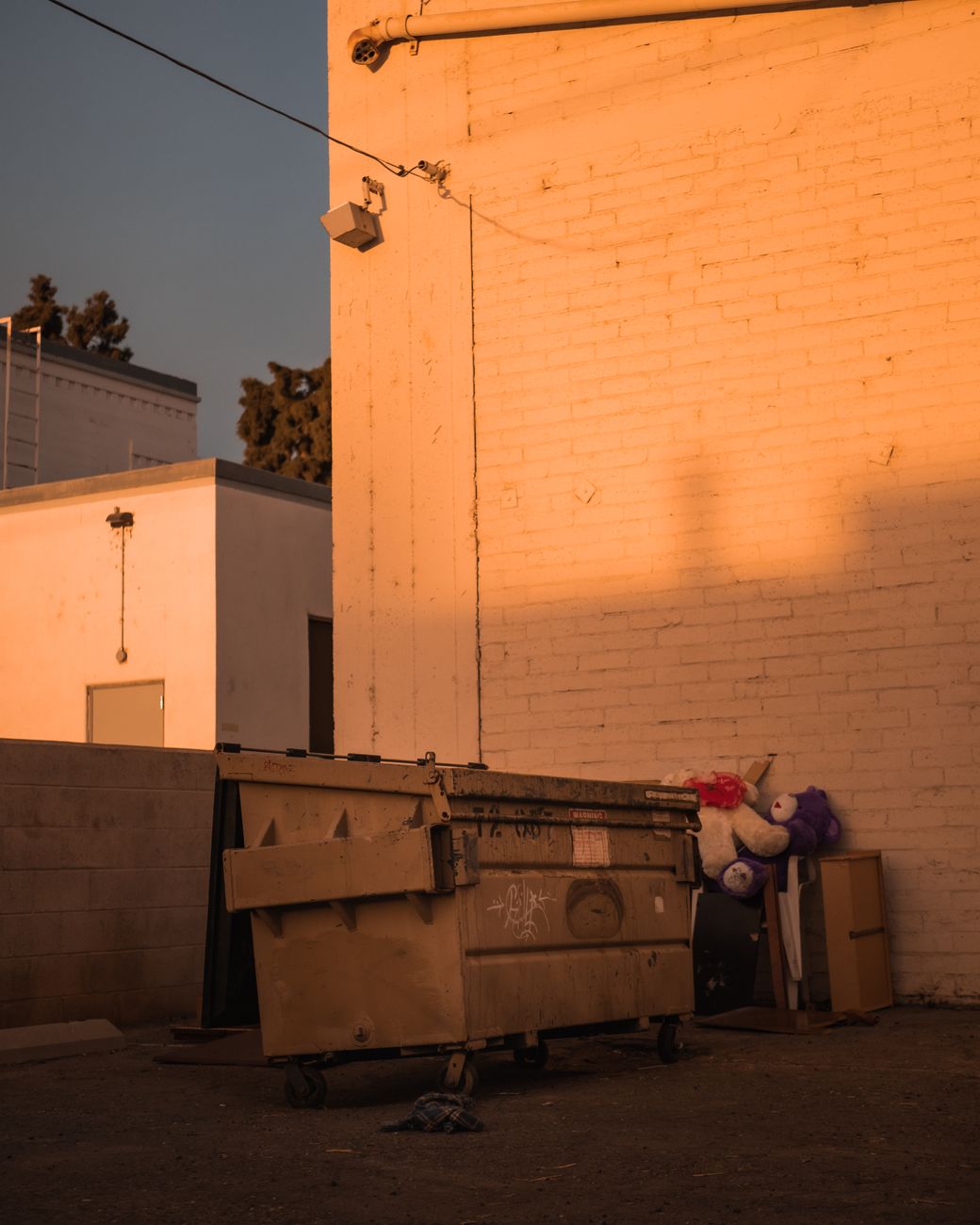
They say Los Angeles never sleeps, but when Rosa stood on the cracked sidewalk of her Silver Lake bungalow watching a 20-yard roll-off sit idle in the glare of noon, the city felt like a slow machine—hot, humming, and complex. A neighbor’s toddler laughed as a pigeon darted through a pile of old planks and a mattress, while the distant roar of the 101 threaded through the hills like a restless river. “We can’t leave it there for long,” she told Miguel, the driver, who shaded his eyes and squinted toward a Santa Monica-bound horizon. “The HOA will have my head, and the permit office closes in two hours.”
Set against a sprawling city
The Greater Los Angeles Area is a collage of neighborhoods—Long Beach’s salt-tinged air, Glendale’s foothill mornings, Pasadena’s stately boulevards, the coastal hush of Malibu, and the buzzy mix of Culver City and Inglewood. Each neighborhood has its own rules, rhythms, and residents. For Rosa, the renovation of her small bungalow was as much about reclaiming space as it was about navigating that patchwork: where a dumpster could sit, what could go inside it, and who to call when the unexpected happened.
The call
“We need a dumpster, twenty yards, right now,” Miguel had told her over the phone, his voice steady against the background hiss of a diesel engine. He had been driving roll-offs for a decade out of a depot near downtown Los Angeles and knew the city like a second map. “I’ll bring a smaller one if the street’s tight. We’ll check the permit for you.”
City by city—rules written in asphalt
As Miguel backed his truck down Rosa’s narrow street, he rattled off details like a seasoned tour guide. “Los Angeles proper usually wants a street permit if the dumpster blocks parking or the sidewalk. Santa Monica is even stricter near the pier and strand—you’ll need approvals for certain materials because of the coastal zone. Long Beach enforces weight limits closely because of the port traffic, and Malibu? Forget it—any coastal runoff rules and extra protections for green waste.” He nudged the roll-off into place between two sycamores, tires whispering against the asphalt. “Pasadena and Burbank will ask where the hazardous stuff goes. We always pull electronics and paint aside.”
Rising tension: the unexpected inspection
Rosa’s renovation had been straightforward until a neighbor named Mr. Chen—an elderly man with a penchant for afternoon chess on his stoop—raised an eyebrow at the sight of the dumpster. “You’ll need a permit for that on this street,” he said, tapping a newspaper. “They’re draconian about parking here. And the HOA? They send emails like storm warnings.” Suddenly the project felt less like demolition and more like choreography: permits to file in downtown L.A., a neighborly negotiation, and a moving puzzle of material disposal.
Learning on the fly—what fits and what doesn’t
Miguel’s hands were large and practiced as he showed Rosa how the roll-off’s swinging gate worked and explained sizes in plain terms: “10-yard dumpsters for small cleanouts and garage junk, 20-yard for kitchen overhauls and medium remodels, 30- and 40-yard for bigger construction jobs. Weight matters—concrete eats weight, so a smaller dumpster can overflow in bill if you aren’t careful.”
He leaned closer, lowering his voice like sharing a trade secret. “Also, watch the prohibited items list. No chemicals, no solvents, no old paint cans full of liquid. Electronics and mattresses often need special drop-off or fee. If you’re in L.A. County, they have scheduled bulky-item pickups, but it’s a different rhythm in Venice or Culver City.”
Scene: Loading day
The loading day smelled of sawdust and hot metal. Sunset colored the hills westward into a molten gold that softened the city’s edges. Friends arrived with pickup trucks; Rosa’s teenage nephew, Javier, hauled a battered leather couch with a grunt. They moved like a small brigade—sweat on foreheads, a playlist of old salsa filling the gaps between grunt and laughter. Miguel supervised, nodding at where bones of drywall should be stacked and where wood could be salvaged for a bench.
“Don’t throw the molding in with the drywall,” he warned, wiping his palm on his jeans. “We can separate wood for recycling. It saves you money—and the planet a little.”
When the city knocks: permits, fines, and the paperwork maze
A week into the job, an inspector from the city of Los Angeles climbed out of a white sedan and peered into the yard. He checked the street, counted parking signs, and took a photo. Rosa’s stomach knotted. Miguel approached calmly, handing over the permit copy on his clipboard.
“You always want to double-check with the city or your hauler about permit windows,” Miguel said later, as they watched the inspector drive away. “Sometimes it’s a phone call, sometimes it’s a form. Santa Monica and Malibu have environmental reviews for coastal properties; Long Beach sometimes requires more documentation for debris from commercial jobs. Fines can creep up if you don’t follow the small-print rules.”
Key insights woven through practice
Over the course of the week, Rosa learned practical truths about dumpster removal in Greater Los Angeles:p>
- Choose a size based on volume and material: 10–20 yards for household cleanouts, 30–40 yards for contractor-level jobs.
- Plan for weight: concrete and tile are heavy; price quotes often include tonnage limits.
- Obey local rules: permits are common on public streets; neighborhoods like Santa Monica, Malibu, and certain LA coastal zones have stricter environmental restrictions.
- Separate materials: metal, wood, recyclables, and hazardous waste often require different handling and can reduce disposal costs when salvaged or recycled.
- Communicate with your hauler: ask about same-day drop-off, placement options, and what they’ll take. Some companies offer removal of sofas, appliances, or electronic waste for an extra fee.
“And don’t forget donation,” Miguel added. “Good stuff—working appliances, furniture—can go to a nonprofit. Saves you money and someone else gets a break.”
The neighborhood response and small acts of kindness
As the days unfolded, the dumpster became a magnet for neighbors. Inglewood’s new cafe owner brought iced coffee one morning; a teenage artist from nearby Echo Park asked if she might take a length of reclaimed wood for a mural. Mr. Chen, who had been skeptical at first, came by with a bag of plums from his tree and a small note: “Thanks for fixing the walkway.” Those small human exchanges steadied the bureaucratic edges of the project.
The unexpected salvage
Midway through the cleanout, Javier found a box of old tools beneath a collapsed closet. The saw had a wooden handle worn smooth by decades of use. “We can keep it,” Rosa said, running her fingers over the grain. “It has a story.” Miguel smiled. “Stories save trips to the landfill,” he joked. And it was true—separating salvageable items meant fewer loads to the dump, less cost, and a salvage resale that would fund a portion of the new kitchen’s cabinetry.
Final sweep and sunset
On the last day, Miguel returned to haul away the dumpster. The street had quieted; surfers’ silhouettes out at Santa Monica glinted in the distance. The roll-off’s hydraulic arms lifted with a low mechanical sigh, and the dumpster retracted from view like a giant bird taking flight. “You did good,” Miguel said simply as the truck receded toward the 10, weaving through Culver City traffic on its way back to storage.
Takeaway
What should you remember if you’re facing a similar project in Greater Los Angeles? Plan ahead for local rules and permits, pick the right size for the materials and volume you have, separate recyclables and salvageables to save money and reduce landfill, and talk to a reputable hauler who knows the neighborhoods—whether it’s Venice, Burbank, or Torrance. Simple communication with neighbors and a little patience with the city’s paperwork will save you both fines and heartache.
As night fell, Rosa stood on her porch, the renovated kitchen windows glowing like lanterns. The street was clean, the couch had a new home, and the salvaged saw hung above a bench in the garage. The sound of distant traffic was a soft thread under the quiet—a reminder that this city, with its beaches and freeways and palm-lined streets, keeps moving. Somewhere beyond, the lights of Long Beach flickered against the port cranes, and Malibu’s dark line met the ocean. A final image stayed with Rosa: the sun sinking behind the hills, painting Los Angeles in the deep, forgiving colors of dusk. The dumpster was gone, but the city and its stories remained—messy, complicated, and alive.