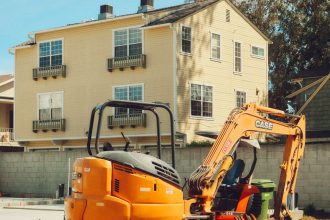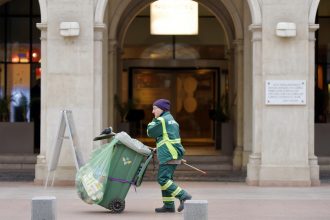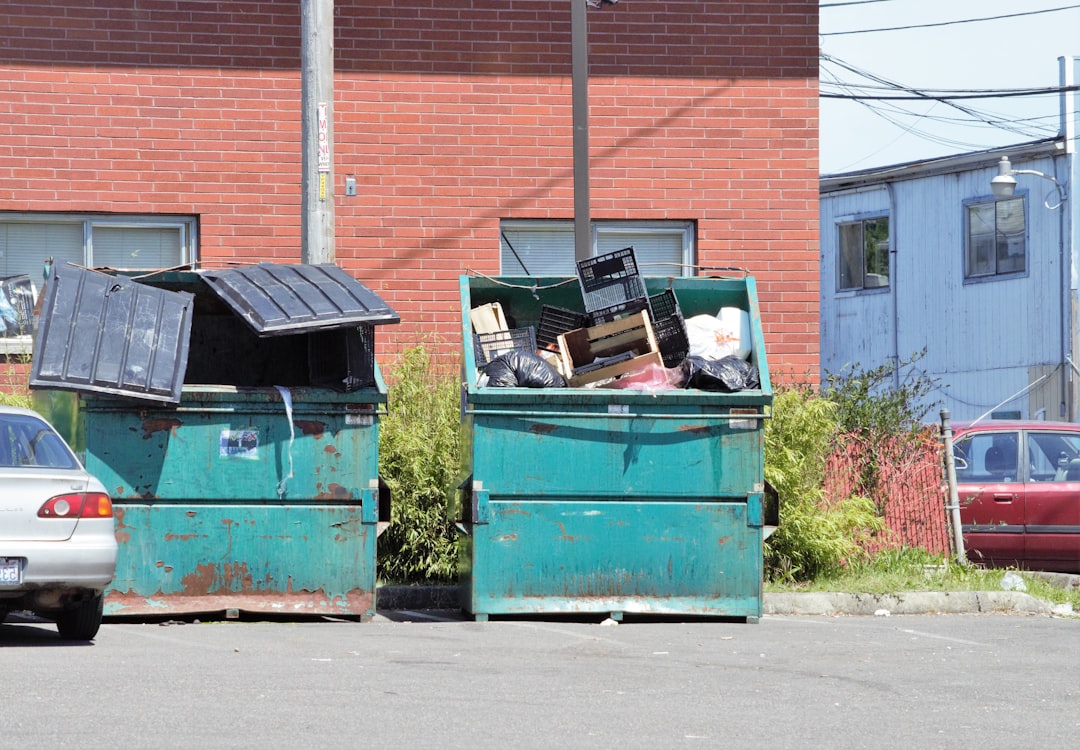
The first sound was a cough of diesel, low and patient, as if the city itself were clearing its throat. The second was the clank of a chain snagging metal. By dawn the street smelled of fresh-cut wood, old paint, and something like possibility. I stood on the porch of my bungalow in Silver Lake and watched a bright blue roll-off dumpster arrive, a small sanctioned chaos parked between two palm trees and a taco truck already steaming at the corner.
Setup: The House, the People, and the Problem
Maria had inherited the house from her grandmother, a narrow craftsman with leaded glass windows and a backyard that had become a repository for decades of life. “It feels like a museum of mistakes,” she laughed, as if laughter could soften the guilt of tossing a thousand tiny histories. The renovation plan was simple on paper: clear the clutter, repair the foundation, open a wall to the light. In practice, it meant deciding what could go to the landfill, what could be salvaged, and what demanded special handling.
Ben drove the truck. He grew up in Torrance and had driven dumpsters down Pacific Coast Highway and up the 405 so many times he could read the skyline like a neighbor reads a morning paper. His crew came from Long Beach and Inglewood, strong-armed and patient. Between Maria’s sentimental hesitations and the municipality’s rules, Ben had to balance labor, permits, and a small, creeping fear that the job would spiral into fines.
In Greater Los Angeles, this is always part of the calculus. A homeowner in Pasadena might need a different permit than someone in Culver City; Santa Monica’s rules about protected trees are different than Glendale’s street use ordinances. And then there are the invisible codes: tipping fees at landfills like Sunshine Canyon, mattress recycling requirements, hazardous waste drop-off windows, and the simple insistence of neighbors that the driveway not be ruined by a parked dumpster.
Rising Action: Permits, Protest, and Rain
We thought the hardest part would be deciding what to keep. It turned out the city’s parking enforcement had other ideas. Two blocks from our bungalow, a neighbor with a mailbox full of complaints phoned the city. By midday, an inspector from the Department of Transportation was standing by the dumpster, clipboard in hand.
“You need a street use permit if that thing’s on the curb more than four hours,” he said, pointing to a laminated notice Ben had stuffed under his arm. “And you’ll want to protect the driveway. We get a lot of homeowners who forget that and then the wood gets gouged, and then someone gets sued.”
Maria’s face tightened. “We thought we could just stage it for a few days. We didn’t know.”
Ben was already planning for worst-case scenarios. “Okay, let’s move it forward onto the driveway. Lay down plywood, set cones. If the permit takes too long, we can swap the timing. And keep the hazardous stuff separate: paints, solvents, old batteries. Those don’t go in the dumpster.”
The city inspector’s presence was a good reminder of how municipal life pulls its strings. In Burbank, a permit could be processed over the phone; in Inglewood, you could apply online; in Los Angeles proper, you might need to visit an office in person. The bureaucracy can feel like an antagonist, but it exists to protect roads, trees, and public safety. Still, there was a human element to navigate: neighbor complaints, school pickups blocked by large trucks, and the unpredictable — like the afternoon when a sudden coastal rain rolled in from Santa Monica and the crew had to scramble to tarp the open dumpster or risk waterlogged trash and extra weight fees.
Key Insights: What I Learned Between the Dust and the Dumpster
By the end of the second day I had a list. It was practical, slightly stubborn, and useful to anyone planning a similar undertaking in Greater Los Angeles.
Sizes and Uses
Roll-off dumpsters come in sizes usually described by volume: 10, 15, 20, 30, or 40 cubic yards. A 10-yard is often right for garage cleanouts or small remodels. A 20-yard can swallow a kitchen demo. For a full house gut like Maria’s, a 30-yard was the workhorse. Ben explained, “Think of it like a pickup truck. How many pickup loads would you need? That figure tells you your dumpster size.”
Permits and Placement
Any time you place a dumpster on the street in LA County, check with your city. You might need a street use or obstruction permit, and the process differs from Santa Monica to Pasadena. If the dumpster goes in a driveway, protect the surface: plywood, 2x4s under the wheels, even an old rug can keep asphalt and concrete from getting gouged. If the crew will place it on public property, expect to show proof of insurance, a copy of the permit, and a plan for traffic cones or signage.
What Can’t Go In
Not everything belongs in a roll-off. Paint, solvents, motor oil, batteries, fluorescent bulbs, and asbestos-contaminated materials require special handling. Los Angeles County schedules household hazardous waste drop-off events; many cities like Culver City and Glendale run regular collection days. For mattresses, check local recycling programs — some companies will remove and recycle them for an extra fee.
Weight, Tipping Fees, and Estimates
Dumpsters are priced based on size and weight. The company estimates a rental fee and then may charge extra if you exceed the included weight. In LA County, tipping fees at certain facilities can add up. Ask for an itemized estimate and a clear policy on overage fees. Ben always said, “You want numbers in writing. That way you aren’t surprised when the scale at the landfill tells you a different story.”
Recycling and Donation
Los Angeles has strong recycling and salvage networks. Wood, metal, and certain appliances can be separated and diverted from the landfill. The crew from Long Beach set aside a pile of vintage doorknobs, old bricks, and a brass lamp that smelled faintly of lemon oil. “This is roofing slate; someone will want it,” Ben nodded. He called a salvage store in Pasadena that buys reclaimed materials; a nonprofit in Glendale arranged to pick up usable furniture.
Resolution: The Backfill and the Breakthrough
The night before the final pickup, we sat on the low brick wall and watched the city go quiet. The dumpster was half full — a tangle of plaster, a mountain of old insulation, the tight little box of that grandmothers life. Maria held an envelope of small things: a recipe card, a faded photograph of a 1940s Fourth of July. She handed them to me as if they were too heavy for her to carry alone.
“Thank you,” she said. “For staying. For helping me let go.”
Ben clapped the lid down with the kind of finality you only get after hard, honest work. The crew stacked the cones, folded the plywood, and wiped grease from their hands. A tow truck from Long Beach idled, and then the big truck backed up, chains rattling, and the dumpster rose like a small island. As they drove away the street seemed to exhale.
We found out that the permit had been approved the afternoon before. The inspector had come back, saw the protected driveway, the insurance papers neatly stapled, and smiled. “Looks good,” he said. “Enjoy the light.”
There were still details to work out: where to donate a set of chairs, how to properly dispose of old paint cans, which salvage shops in Pasadena or Culver City would offer the best prices. But the big, obvious obstacle was gone. The house no longer carried the smell of old life; instead, it smelled like sawdust and paint and the beginning of things.
Takeaway: What to Remember and What to Do
If you take one thing away from our mornings of hauling and arguing, let it be this: dumpster removal in Greater Los Angeles is as much about planning and people as it is about dirt and debris.
Practical Steps
– Start with a clear inventory. Know roughly what you will throw away and what will be recycled or donated.
– Call several dumpster companies and get written estimates including size, rental duration, weight allowance, and overage fees.
– Check with your city for permit requirements before you book a street placement. Each municipality from Santa Monica to Huntington Beach has its own rules.
– Protect your driveway and property. Use plywood, wheel chocks, and a placement plan. Insist the crew has insurance and references.
– Separate hazardous materials and learn where to drop them off in Los Angeles County. Ask about mattress recycling and appliance handling.
– Communicate with neighbors. Give them a heads-up about truck arrivals and pickup times. A little courtesy softens resistance and speeds the work.
Emotional Bearings
br>Accept that letting go can be both small and seismic. Maria kept the recipe card and a photograph, and she let the rest go. Ben told me, “People are always surprised by how much stuff weighs down more than just the house. It weighs you down.” There is a distinct freedom in watching a dumpster leave with months or decades of old decisions inside it.
The sun set over the hills, lighting the LA skyline in a thin, golden band. Trucks moved back toward the freeways, and the city worked its usual transformation from daytime chaos to evening hush. A skateboarder rolled past the cleared lot, and Maria’s neighbor came over with a lemonade as if to say, well done. In the space where old junk had been, a stretch of earth waited, patient and open.
When you next face the need for a dumpster in Los Angeles, remember the smell of sawdust, the clank of chains, and a sensible crew who knows the route from Long Beach to Burbank by heart. Plan for permits. Plan for recycling. And plan to feel lighter when it is done.
That night, as a palm tree’s silhouette cut into the afterglow, the house finally looked like it always wanted to: a vessel ready for new things, not a museum of mistakes. The dumpster was gone, and the yard smelled like rain and possibility.