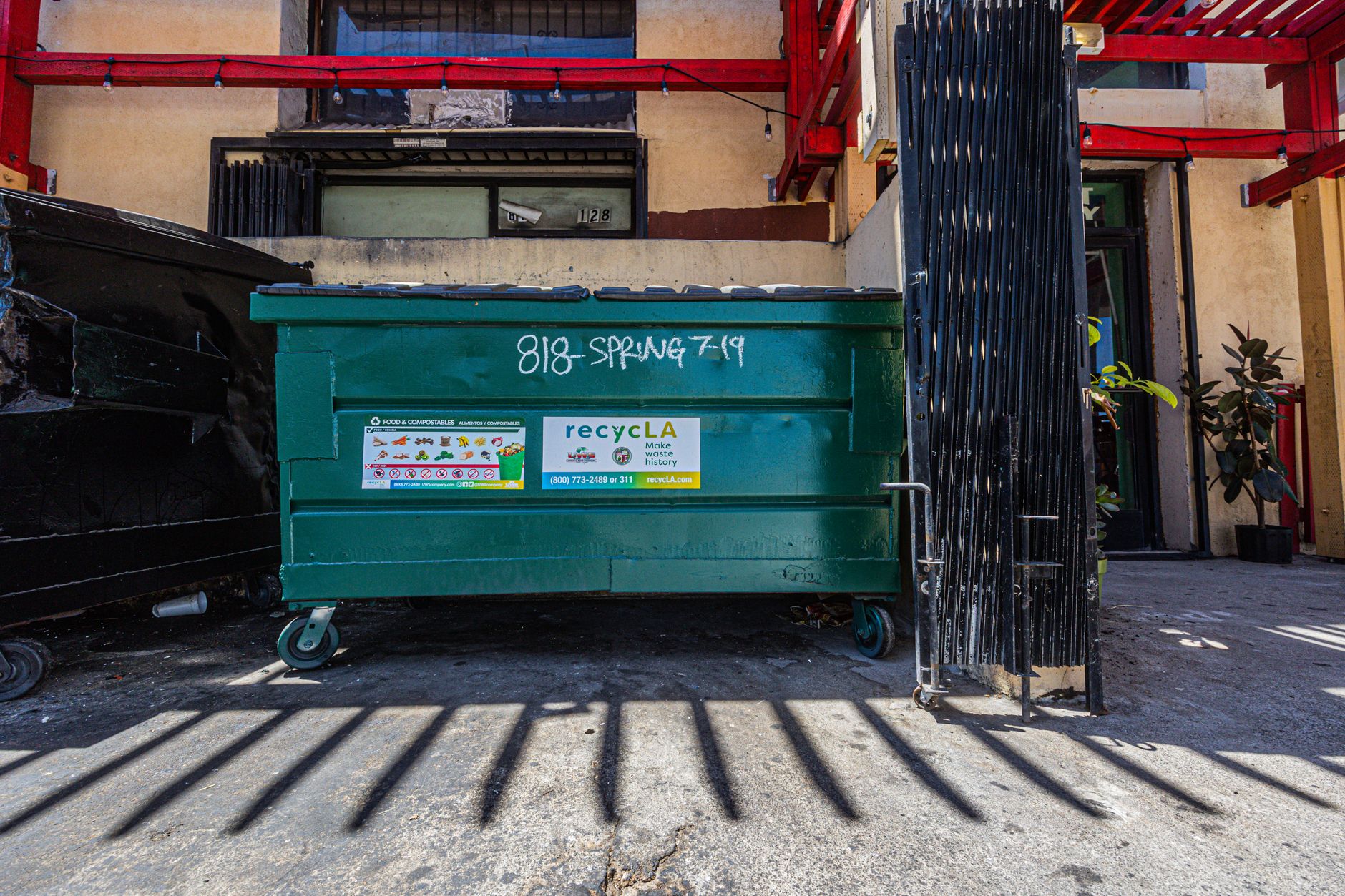
The morning the living room became a pile of timber and dust, I stood on my front porch in Culver City and felt like I was watching a small mountain grow across the street. The sun was a hard white disk above the eucalyptus, a street sweeper coughed somewhere near Jefferson, and a toddler on the sidewalk pointed and shouted as if a dinosaur had risen from concrete. It was only a dumpster — a temporary, unglamorous behemoth of corrugated steel — but in that moment it felt like the pivot point of an entire neighborhood’s story.
The Morning I Found the Mountain
The project began with a single suggestion: ‘Just tear down that old fireplace and open the wall up,’ said Maria, the contractor from Pasadena, when she toured my 1920s bungalow. The idea smelled like cedar and fresh paint; it promised sunlight, a bigger kitchen, and the sort of airy living space that had been photographed a hundred times in Los Angeles home magazines. What it didn’t promise was the amount of debris that would avalanche into my driveway.
By midweek, trucks were coming and going. A dumpster landed on the curb in front of my house at dawn, its sides glinting with the pale light reflecting off Hollywood’s scattered glass towers. The driver, a man who introduced himself as Alex from a Venice hauling company, clicked the truck into park and hopped down with a thermos that steamed in the cool air.
‘We drop, you fill, we haul,’ he said, stretching and flashing a grin that suggested he’d spent most of his mornings doing exactly that. His voice had the clipped, efficient cadence of someone who navigates LA’s back alleys and construction corridors before most people have poured their first coffee. ‘But a couple things: where’s the permit? And watch that driveway slope — load’s gonna shift if you pile it too high.’
Calling in the Crew
There were three of us who showed up to wrestle the house into its new shape: Maria with her clipboard and quick hands, Jamal the carpenter who smelled of sawdust and coffee, and me — the homeowner, part spectator, part worried assistant. Our first afternoon felt cinematic: sun-blasted beams of light falling across drywall dust, the rasp of metal on timber, and the chorus of jackhammers that seemed to come from every direction in Los Angeles.
‘Make sure recyclable materials go in one pile,’ Maria instructed, her voice steady. ‘We can donate the windows if they’re intact. The cabinetry? Habitat probably takes the rest.’ She pointed to a stack of old tiles. ‘But that tile underlayment might have to go to a transfer station in Long Beach — it’s safer there.’ Her knowledge felt like a map of the city’s hidden arteries: transfer stations, recycling yards, donation centers, and the permitting office in downtown LA that could issue a curbside permit in a day if you caught them early.
Neighbors drifted by, curious and a little anxious. Mrs. Ortega from down the block, who’d lived in Culver City since the ’70s, brought over iced tea and stories. ‘When they put in the freeway, they said the whole neighborhood would change,’ she said, settling on a folding chair. Her eyes followed a dump truck rumbling past toward the 405. ‘But you make things nicer, you keep the old bones. Just don’t let ’em dump that stuff on the street. LA’s not big on that anymore.’ Her warning landed like a stone, weighty and quiet.
The Dance of Trucks and Permits
Of course, nothing in Los Angeles moves without a little choreography. Drop-off times are scheduled to avoid rush-hour gridlock near Santa Monica Boulevard; trucks leaving the Harbor make a beeline for the Long Beach transfer station before the searing afternoon and its stifling heat. Alex explained that pricing depended on size, weight, and distance. ‘A 10-yard is fine for a garage clean-out,’ he said, ‘but for a kitchen demo? Go 20 or 30. You don’t want to rack up overweight fees.’ He pointed to a line where the dumpster’s steel folded into a mouth. ‘Also, on-street permits are separate in West Hollywood and Malibu. The coastal commission has different rules if you’re within the bluff setback.’
That afternoon, a city inspector from the Department of Building and Safety wandered over, clipboard in hand and a polite but firm expression on his face. He explained, ‘If the dumpster sits on public property — like the sidewalk or the street — you need an encroachment permit. If it’s on private driveway, keep it from blocking fire lanes and you’re usually fine. Also, no hazardous materials in these. Paints, solvents — those need special disposal.’ His presence was a reminder that LA’s elegance comes with regulations that protect its beaches, hillside communities like Malibu, and the water supply.
The inspector’s tone softened when he noticed a pair of old but usable lamps in the debris pile. ‘If you donate that, they’ll keep it out of the waste stream and it’s good for someone else.’ A small exchange, but it felt emblematic of LA’s uneasy balance: progress and preservation, reinvention and resourcefulness.
What I Learned About Dumpster Removal in LA
The tension in our story wasn’t drama for drama’s sake; it showed up as practical decisions. Here are the truths that emerged as we lifted, swept, and sorted through the detritus of renovation:
‘Size matters’ became a refrain. A 10-yard roll-off is about the size of a large car and works for small clean-outs. For a full kitchen demo, Jamal recommended a 20- to 30-yard dumpster to avoid overfilling and the temptation to pile debris dangerously high. ‘You can always downsize next time,’ he said, ‘but you can’t make time back if you wait two weeks for another drop-off.’
Location is everything. In Venice and Santa Monica, curbside placement often requires a permit and coordination with neighborhood associations. In Long Beach and Torrance, hauling to local transfer stations is sometimes cheaper than long-distance trucking. In Glendale and Burbank, limited alley access means planning for narrower equipment and careful placement so that trash collectors and emergency vehicles can still pass.
Weight will bite you. Roofing and tile are heavy. Alex explained that the company charges both a flat rate for rent and a per-ton fee for disposal. ‘If you throw a roof in there, it can double the cost,’ he warned. ‘But it’s better to be upfront than get surprised with a bill that eats your project.’
There are prohibited items. Batteries, fluorescent bulbs, asbestos, certain paints, and chemicals cannot go into a standard roll-off dumpster. For older homes — and when we started tearing into my bungalow — we found old canisters and materials that had to be set aside and handled by a hazardous waste specialist. The Department of Sanitation and local waste management sites in Los Angeles County offer specific drop-off days for these materials, especially in Inglewood and Pasadena where community collection events happen seasonally.
Recycling and donation are part of the rhythm. Maria called a ReStore in Pasadena for cabinetry that could be salvaged. A neighbor drove across town to pick up an intact doorway for a remodel they’re doing in Burbank. ‘Keep the good stuff out of the dumpster,’ she said, ‘and you help someone else and cut the disposal costs.’ It felt like the city’s version of sharing stories — passing along things that still had life left.
The Last Load and the Sunset
On the final day, the street smelled of hot asphalt and jasmine. The dumpster had become a familiar monument: scratched, dented, and open to the sky like a small canyon containing the artifacts of our labor. Maria supervised the last few loads. Jamal swept sawdust into neat piles and leaned his broom against the dumpster’s rim like a flag planted on conquered ground.
‘You ever think about how much of LA’s story is in things like this?’ I asked, watching as Alex balanced a door in one hand and a cup of coffee in the other.
‘Every piece has a past,’ he said with a shrug. ‘Somewhere else it’ll be someone else’s start.’
We closed the lid. The hydraulic hiss was a small mechanical sigh. Alex climbed into the truck, checked his load, and secured the tarp. As the truck pulled away, it navigated past palm trees and mid-century bungalows, down Washington Boulevard, past the mural near Culver Studios, and toward a transfer station on the harbor route. Behind it, the street looked cleaner, the air lighter. Kids rode bikes where piles once jammed the sidewalk; Mrs. Ortega came out to reclaim her chair. The neighborhood exhaled.
What to Remember
If you take one thing from this little story, let it be that dumpster removal in Greater Los Angeles is both logistical and human. It requires practical planning — understanding sizes, permits, weight, and prohibited items — and it rewards thoughtfulness: sorting for donation, choosing reputable haulers, scheduling around traffic and collection windows, and being mindful of neighborhood impact.
If you need a dumpster for a remodel in Santa Monica or a yard clean-up in Torrance, call early to reserve your size. If you’re in Hollywood or West Hollywood and need curb placement, check for an encroachment permit. If you’re dealing with heavy materials from a roof job in Burbank or Glendale, budget for the per-ton fees. Most importantly, if you find salvageable pieces during demolition, make a call to a local ReStore, charity, or neighbor. That old door might be someone else’s beginning.
As the sun slid behind the Palos Verdes hills that evening, its light gilding the steel of a disappearing truck, I felt a small, steady pride. Our house had been transformed, yes, but so had the block: a little more room to breathe, a little less detritus left to linger. The dumpster’s temporary presence had done its work and been folded back into the city’s rhythm — hauled away, processed, and, where possible, reborn.
On the porch, with a cup cooling in my hand, I watched the last glow sink below the line of roofs. The skyline looked ordinary and miraculous all at once: a scattering of glittering edges where steel, sunlight, and human effort had met. Somewhere in Long Beach, in a recycling yard near the harbor, materials from my home were being sorted — some destined for landfill, some for reuse, and some to begin new stories in other neighborhoods. The evening tasted faintly of salt and paint thinner and the clean sweetness of a job finished well.