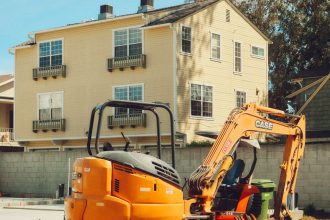
On a humid June morning, just as the light over the hills turned from pewter to honey, Maria stepped out onto her Pasadena front porch and stared at the chaos. Piles of drywall dust clung to her sneakers, a stack of century-old crown molding leaned against the sycamore, and the driveway resembled the aftermath of a small storm. She cupped her hands around her mouth and called, ‘Miguel, we need that dumpster now.’
Setup: Who’s Involved and Why it Matters
Maria was a homeowner with roots in the neighborhood—her Craftsman had watched over the block for nearly a hundred years. Miguel was a contractor from Burbank with a laugh as loud as his pickup. Across town, Olivia in Santa Monica was juggling a pop-up market cleanup, and in Long Beach, an aging motel owner faced a long overdue room-by-room purge. What tied them together was a simple, practical need: somewhere to put the stuff they no longer wanted, couldn’t haul away, or couldn’t leave to become someone else’s problem.
Dumpster removal in Greater Los Angeles isn’t just a service; it’s choreography. You have narrow alleys in Silver Lake, historic streets in Pasadena that wrinkle with old trees, apartment clusters in Koreatown where parking is sacred, and beachfront mornings in Venice perfumed with salt and diesel. Each place adds a beat to the dance—permits, placement, timing, environmental rules—so the right dumpster at the right time keeps the music playing.
Rising Action: The Small Problems That Become Big Ones
Miguel drove up from Burbank with Ramon at the wheel of a low-slung roll-off. They navigated the sycamore branches and backed the steel box onto Maria’s driveway. ‘Careful of the roots,’ Maria warned, tracing the spot where a root bulged near the curb. The smell of warm asphalt mingled with sawdust as workers lifted old joists into the bin.
It sounds routine until it isn’t. Three days in, a neighbor from across the street appeared with a frown. ‘You need a permit to block the sidewalk, you know,’ she said. Maria, flushed with paint and anxiety, realized she had assumed the driveway placement would be fine. In fact, many municipalities across Greater Los Angeles—Los Angeles city neighborhoods under LADOT jurisdiction, parts of West Hollywood, and some sections of Santa Monica and Long Beach—require permits to place a dumpster curbside or on the street. Even private driveways can be bound by HOA rules or historic preservation guidelines in places like Pasadena or Hancock Park.
Meanwhile, Olivia’s seaside pop-up in Santa Monica encountered a different issue: coastal cleanup regulations. ‘We had to separate the recyclables right away,’ Olivia told Ramon later, sipping coffee as the ocean hissed a block away. ‘The city was strict about compost, cardboard, and anything that could blow into the street.’
These little friction points add up: unexpected permit fees, length-of-stay limits, weight overages, and even local restrictions on what can be tossed. Hazardous materials—paint, certain electronics, asbestos—aren’t welcome in a standard roll-off. The city trash transfer stations and private haulers in LA have rules for diversion and disposal that can make a simple cleanup feel like a lesson in logistics.
Key Insights: What I Learned While Balancing Dust and Deadlines
As the week unfolded, Maria, Miguel, Ramon, and Olivia exchanged wisdom in the way people pass along recipes. Here are the practical, scene-tested insights they gathered—the things that make dumpster removal in Greater Los Angeles run smoothly:
1) Size matters: Dumpsters come in a handful of common sizes—10, 15, 20, 30, and 40-yard containers. Manor remodels and garage cleanouts often fit a 10- or 15-yard bin; full-house gut renovations may need 30 or 40 yards. Ramon said, ‘A 20-yard is the workhorse; it fits most jobs without eating your driveway.’
2) Know your local rules: In Los Angeles, you may need a permit from LADOT to place a dumpster on the street. West Hollywood and Santa Monica can have additional restrictions, including time windows for delivery and pickup. For homeowners in Pasadena or neighborhoods with HOAs, check covenants before scheduling a drop-off.
3) Permitted placement: If the dumpster must sit on the street, pads or plywood are often used to protect the curb and asphalt. Drivers appreciate clear access; tight alleys and parked cars in Echo Park or Culver City create extra labor and sometimes additional fees.
4) Weight and prohibited items: Most rentals include a weight limit; going over can trigger overage fees. Hazardous waste—like certain solvents, asbestos, lead-based paint debris, and some electronic components—must be handled separately. The city runs scheduled hazardous waste drop-off events across LA County; companies also offer hazmat pickups for an extra charge.
5) Recycling and donation: Not everything needs to end up in the landfill. Donations to Habitat for Humanity ReStore, Goodwill, or local charities are possible for gently used items. Organic debris can be diverted to green waste facilities. LA’s Zero Waste initiatives encourage sorting to reduce landfill burden, and many haulers provide sorting and recycling services to help meet those goals.
6) Get clear quotes and timelines: Ask your hauler about delivery and pickup windows, overage pricing, and whether they require a permit. Ramon advised, ‘Ask if there’s a fuel surcharge, disposal fees, or weekend rates. You don’t want surprises after you fill it.’
7) Communication is key: In the city, delays happen—traffic, late permits, overloaded transfer stations. ‘Call us if you’re running behind,’ Miguel said. ‘We can often hold a bin an extra day for a small fee, but if you just leave it, you risk a ticket.’
Scene: A Friday That Almost Fell Apart
On a Friday afternoon, Maria’s crew hit a snag: the 30-yard they rented was already half-full after removing an upstairs floor. Miguel called Ramon, voice tight. ‘We underestimated. Can you swap it for a 40 today?’
Ramon cursed under his breath and checked the schedule. The freeway between Burbank and Pasadena was a knot. He took a breath and said, ‘Hang on. I’ll route through Glendale and take surface streets. It’ll add time, but we’ll get you the swap before sunset.’
That evening, Ramon backed a new container down Maria’s shaded street as cicadas thinned their songs. The neighbors peered from porches. The swap saved a few days of work, prevented illegal dumping, and kept the crew moving. It was the kind of small triumph that feels unusually large when the deadline is breathing down your neck.
Resolution: A Neighborhood Cleans Up
Weeks later, paint smudges were gone, new railings gleamed, and Maria’s porch smelled faintly of cedar and lemon oil. Miguel handed her the keys back with a grin. The dumpster had been hauled away on a muted Tuesday morning when the light over the San Gabriels was thin and the city still half-asleep.
Olivia’s pop-up market in Santa Monica donated leftover display racks to a nearby community arts program instead of consigning them to landfill. The motel in Long Beach discovered a steady stream of items worth refurbishing—new life for furniture and less weight on the scales when the dumpsters rolled.
It was satisfying, not just because the debris had vanished, but because each item had been placed thoughtfully. Cardboard had been flattened and recycled. Old fixtures had been listed on neighborhood swap groups. Anything hazardous had been separated and directed to the right facility. ‘We didn’t just clear space,’ Maria said to Miguel as they watched the city wake, ‘we honored the house.’
Takeaway
Dumpster removal in Greater Los Angeles is part logistics, part etiquette, and part environmental stewardship. From Venice to Torrance, from Studio City to San Pedro, the right approach blends practical planning with local knowledge: choose the right size, check permits, separate hazardous items, and consider donation or recycling before you toss. Call early, ask questions, and pick a hauler who explains the hidden parts of the job—the transfer stations, the diversion goals, the weight limits—so you don’t lose sleep over a last-minute surprise.
When Ramon rolled the last dumpster away, the street returned to its ordinary hum: a dog barking in Echo Park, a coffee grinder in a Silver Lake cafe, the distant roar of a freeway. The sun lowered behind the palms, gilding the roofs from Hollywood down to the bay. Maria lingered on her porch and inhaled the clean scent of finished work—a mixture of sawdust, lemon oil, and possibility. For a brief, perfect moment, the city felt small and well kept, like a room after you close the door on a day of making things new.