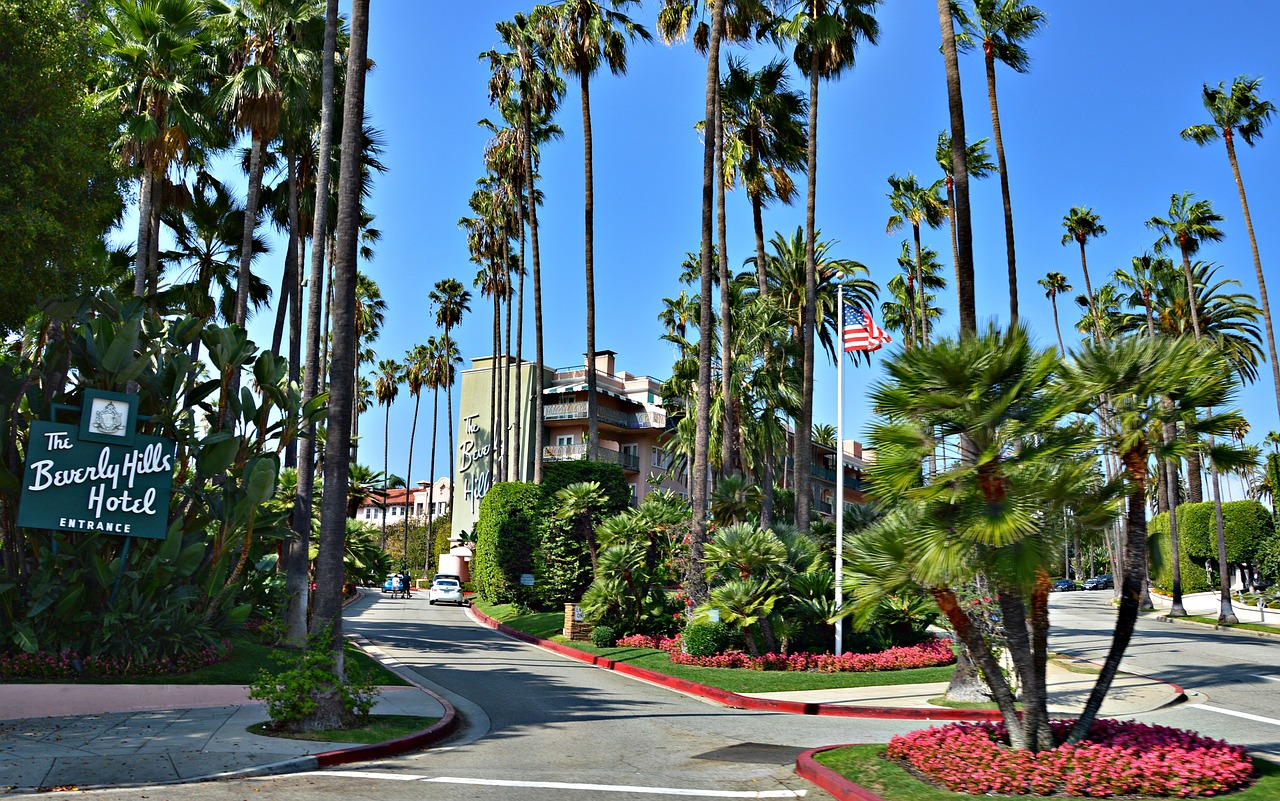
On a humid morning in Echo Park, with trolley bells faint in the distance and the city still yawning awake, Maria realized the pile of her grandmother’s life would not fit in the sedan. It was not just boxes or furniture; it was a history of birthdays, braids, and broken dishes — and she had an estate sale by Saturday. The alley behind the bungalow smelled of damp cardboard and lemon oil. Across the street, a palm tree tossed its fronds like a slow metronome. She dialed a number she had saved from a neighbor and said, ‘I need something big. Fast.’
The day everything had to leave
In the weeks before, Maria had moved through rooms like an archaeologist, lifting curtains, tracing fingerprints, and laughing through tears as she boxed mismatched teaspoons and a stack of postcards addressed to ‘Mi Querida Abuela.’ The bungalow on Sunset Boulevard had belonged to Rosa for fifty years. It had a blue-tiled fireplace, a kitchen that smelled of garlic, and a backyard full of citrus trees. There was also a lifetime of things that needed proper goodbyes.
She’d imagined calling a friend, renting a van, and clearing out a few carloads. But the attic alone held a 1970s record player, a stack of plaster tiles, and a framed theatre poster that would not fit through the front door. The estate sale company agreed to come if the big pieces were on the curb. The neighbor’s teenager offered muscle but not a permit. Maria learned quickly that in Los Angeles, removing the life you inherit is not only emotional work — it is logistical.
Phone calls and narrow streets
‘We can drop a 20-yard roll-off tomorrow,’ the dispatcher said in an even, practiced voice. ‘But if you want it on the street, you might need a permit from LADOT. If you keep it in the driveway, we can protect the pavement with wood planks.’ He gave options — 10, 15, 20, 30 yards — and a price range that rose with weight more than size. Maria pictured the alley, two cars parked, a lemon tree, and the sound of someone tapping a clipboard.
Decision time was its own kind of pressure. In Echo Park, on streets that curve and narrow, companies measured clearance like surgeons. In Santa Monica, rules were different: city recycling programs, strict banned-waste lists, and fines for leaving a container overnight without a permit. In Pasadena, homeowners associations often required advance notice. In Burbank and Glendale, trash contractors had schedules that dictated pickup and disposal windows. Each city in the Greater Los Angeles Area had its own rhythm, and Maria felt like she had to learn the municipal dance steps on the fly.
A truck, a team, and a promise
The crew arrived at dawn: two men, one woman, an orange truck with a company name stenciled on the door, and a roll-off dumpster that looked like a shark’s open mouth. They set down plywood like a landing strip and unrolled a tarp. ‘We lay the boards to keep your driveway from getting gouged,’ the foreman said, wiping sweat from his forehead. ‘We can take everything except hazardous waste, and we’ll sort metal and wood for recycling.’ The words felt like relief.
They worked in rhythm — a thump of a couch, the scrape of a bed frame, the high metallic ring of a lamp hitting steel. The crew joked about LA traffic and shared stories of Tight Driveways in Silver Lake and permit nightmares in Hollywood. Maria watched, hands tucked into the pockets of an old cardigan, feeling simultaneously intrusive and grateful as decades of objects were lifted out and cataloged by the motion of muscle and machine.
Tension: permits, weight limits, and the ticking clock
Halfway through, the foreman made a call. ‘We might be over the weight limit for that 20-yard if you keep those concrete pavers,’ he said, frowning at a clipboard. Los Angeles roll-off dumpsters have both size and weight limits. Yardage determines capacity, but cost often hinges on tonnage. Concrete, dirt, and tile are heavy: they eat into the weight allowance and can double hauling fees. The crew suggested a staged approach — remove lighter items now, set aside masonry for a smaller, separate load — but the estate sale deadline didn’t have flexibility.
‘What about donations?’ Maria asked. A rusted chair, the record player, stacks of kitchenware — some of it was still good. The foreman nodded. ‘We can pull those out before the truck heads to the transfer station. We work with donation centers in Long Beach and drives in Torrance. Saves stops, sometimes saves fees.’
Learning as you go: local rules and smart choices
Between the loading and the shouted instructions, the crew taught Maria a primer for future cleanouts. For readers in Los Angeles, Long Beach, Santa Monica, Pasadena, Burbank, Glendale, Inglewood, Torrance, and neighboring communities, the rules and best practices often sound like a patchwork, but a few clear principles apply:
‘Measure your access,’ the foreman said. ‘A wide driveway saves you a permit. A narrow street might need a LADOT permit in Los Angeles or a special parking reservation in Pasadena. Ask your hauler if they can place the dumpster in the driveway — that’s often the cheapest route.’ He pointed to the plywood under the container. ‘Always ask about driveway protection.’
Sizes matter: 10 and 15-yard containers suit small home cleanouts and yard waste; 20 and 30-yard units are common for renovations; 40-yard containers are for major construction. Prices vary by rental length, tipping fees at the local transfer station, and what you put in it. Prohibited items typically include paints, motor oil, batteries, fluorescent bulbs, asbestos-containing materials, and electronic waste — but California has strong e-waste recycling programs and household hazardous waste collection events where these items should go instead.
Recycling and donation are more than noble gestures — they can be cost savers. Metal, concrete, and clean wood often have different disposal streams. Some haulers will separate and take recyclables to facilities in Long Beach or Glendale. Other times, a trip to a donation center in Torrance or a scheduled pick-up in Santa Monica keeps usable items out of landfills and in homes where they belong.
Moments of tenderness and the sound of a teacup
At noon, a box labeled ‘Rosa’ surfaced. Maria sat on the curb, pulled out a lace doily, and laughed. The crew slowed their pace without being asked. Later, a small porcelain cup teetered from a box and landed with a soft crack, not shattered but rent like a small map. She remembered her grandmother offering tea on Sunday afternoons and a kitchen radio that always hummed boleros. The removal became a process of selection — what to keep, what to let go, what to pass on. Each object had a weight beyond pounds: an emotional density that did not fit in the dumpster’s metal ribs.
‘We do estate cleanouts a lot,’ the foreman said when Maria explained the sale. ‘People always tell us it’s harder than moving. It is. But it gets lighter, somehow.’ He added, quietly, ‘For us, it’s about respect. We’ll leave the place swept.’ The crew’s tenderness showed in small acts — a final wipe of the countertop, a careful stacking of picture frames, a hand on the gate as they closed it gently behind them.
Practical realities: cost, scheduling, and green options
By late afternoon, the truck was half-full and the crew read the pile like a map. They advised Maria to comparison-shop: get at least three quotes, ask about hidden fees, and confirm whether permits or parking waivers were included. For same-day or emergency services, expect premiums. For scheduled removals, plan a two-week window for permits in stricter municipalities. Many providers in the Greater LA Area offer flexible options: same-day lifts, short-term rentals, and split loads. If you’re renovating in Burbank or doing a yard clearance in Long Beach, ask about separate dumpsters for concrete and green waste to avoid overweight penalties.
Green options are not just PR. California’s recycling infrastructure means separating metal, wood, and yard waste can reduce costs and landfill impact. Some companies advertise ‘zero-landfill’ runs; others partner with Habitat for Humanity ReStores and Goodwill branches across LA County for donations. For hazardous materials, the county hosts household hazardous waste events and permanent collection sites — a necessary route for paint, pesticides, and batteries.
The last load and a quieter house
The final swing of the mechanical arm lifted an overstuffed armchair, now empty of decades of cushions and smells. The dumpster’s cavernous mouth closed, and the foreman checked the paperwork, noting weight and the destination transfer station — a repository on the edge of the industrial zone, where mountains of debris are weighed and sorted before their next life or final rest.
Maria walked through the bungalow. Light fell differently without furniture; the kitchen counter caught sun like it was newly polished. She placed the porcelain cup on the windowsill. ‘For now,’ she said aloud. The crew swept the dust, stacked the boxes the estate-sale team had requested, and folded the plywood. They took a group picture with Maria and the open bungalow as a backdrop — a small ritual to mark a job done.
What to remember when you need a dumpster
From her coffee-stained notebook, Maria scribbled the lessons into a list she would pass on to neighbors and friends across Los Angeles, from Hollywood to Santa Monica and down to Long Beach:
- Measure your space and access. Narrow streets and driveways change the game.
- Pick the right size, and consider weight limits — concrete and dirt are heavy.
- Ask about driveway protection and matting to prevent damage.
- Clarify pricing: rental days, tonnage, and tipping fees at transfer stations.
- Separate recyclables and donations to save costs and lighten environmental impact.
- Never put hazardous materials in a roll-off — use county hazardous waste facilities.
- Check with your city: LADOT permits in Los Angeles, Santa Monica rules, and Pasadena HOA requirements can all vary.
- Get multiple quotes, and ask about same-day or staged pickups if you have deadlines.
A final image
At sunset, the bungalow looked different but intact, as if the house had exhaled. Across the street, palm fronds blurred against an orange sky. The dumpster, now a quiet iron box, was loaded back onto its truck. As it turned the corner onto Sunset, the city lights began to blink awake — a neon in Echo Park, the soft glow of a theater marquee in Hollywood, the far white arc of the Santa Monica pier’s Ferris wheel. Maria stood at the doorway, a small porcelain cup in her hand, and watched the truck shrink into the evening. In the empty rooms, sunlight mapped out new possibilities; on the curb, the plywood lay folded like a promise kept.
Takeaway: what stays with you
Moving out a lifetime is never just about things. It’s about choice, memory, and the tiny rituals that stitch the past to the future. If you find yourself needing a dumpster in Los Angeles, remember that the process can be respectful, efficient, and even restorative with the right planning: measure, sort, permit, protect, and recycle. Bring a friend for the heavy lifting, call the right haulers, and give yourself the grace to pause during the work. When the last box is gone and the city hums on, you’ll stand in a room that has lost its clutter and gained some air — and somewhere nearby, a truck will carry a lifetime toward a new chapter under the warm Southern California sky.