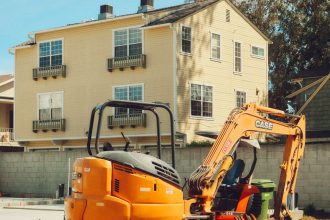
The dumpster arrived at dawn, folding light off its steel like a bruise catching the first heat. Maria stood on her porch in Echo Park, coffee cold in one hand, phone in the other, as the truck idled and the driver tapped the brakes rhythmically. “Five minutes,” he said, wiping sweat from the back of his neck. Around the corner, a pair of neighbors peered out from a bungalow window; someone three houses down set their recycling bin out an hour early and cursed under their breath when the truck rumbled by. The smell of tar from the street mixed with ocean hints drifting in from west of the city, and for a moment the neighborhood felt like a small, moving stage where trash and treasure claimed their roles.
Setup: Why a Dumpster in Los Angeles?
Maria had lived in Los Angeles long enough to know that big projects always began small. A cracked driveway here, peeled paint there, a kitchen attached to decades of family dinners — all of it adding up to a demolition day. This spring, after a leaky roof and a small earthquake shook loose years of accumulated clutter, she decided to gut the back unit of her duplex in Cypress Park and give it new life. She called Carlos, a local contractor she trusted from a friend in Silver Lake. “You need a roll-off,” he said in his low, patient voice. “We’ll need somewhere to put the drywall, the old cabinets, the mattress. And if you’re putting the bin on the street you’ll need a permit.”
What Maria didn’t expect was how many decisions would swarm that single container: the size of the dumpster, the permit logistics on Sunset Boulevard versus a quiet Culver City cul-de-sac, the neighbors’ opinions, and the environmental rules that Los Angeles County takes seriously. The dumpster, she learned, was not just a metal box; it was a little municipal drama with an environmental conscience.
Rising Action: The Drop, the Dispute, and the Details
The truck backed in with a mechanical groan. Carlos directed the driver, a young man named Omar, who swung the ramp down with a practiced motion. “Watch the curb; it’s tight,” Omar muttered as he angled the bin so it wouldn’t block the stop sign. The sound of metal on pavement is expectant — a clang that promises both mess and progress.
By midmorning Mr. Chen from next door stepped out. He was already shaking his head. “You can’t leave that there all month,” he said. “I got a parking permit renewal next week and that’ll block my guests.” Maria smiled and explained: “We only have it for a week. We applied for a street permit through the Bureau of Street Services and paid the fee. If you like, I can show you the permit number.” She could see his expression ease when she mentioned the permit and the brief rental window.
That small exchange opened a door into the rules Maria would have to navigate. In Los Angeles and surrounding cities, dumpsters placed on public streets usually require a temporary permit from the city’s Department of Transportation or Bureau of Street Services. Permit hours, placement rules, and fees vary — Venice or Santa Monica may have different neighborhood restrictions than Burbank or Glendale. Homeowners in places like Beverly Hills or Malibu should also check HOA rules or municipal codes before a drop-off. On residential streets you’ll often be restricted to certain hours and may have to maintain a clear pedestrian path. In busier corridors like Hollywood or Downtown, the city might limit where and when a bin can sit because of traffic flow and street cleaning schedules.
Key Insights: Choosing, Renting, and Responsible Disposal
There are practical choices behind the drama: size, timing, contents, and the final destination of everything that goes into the bin. Carlos crouched and brushed his fingers across the dented rim of the dumpster. “For a kitchen and a back unit, go 20 to 30 cubic yards,” he advised. “For smaller cleanouts, a 10 or 15 will do. If you’re doing a whole-house demo, think 40.” He sketched sizes in the air like a carpenter measuring wood: a 10-yard fits tight driveway jobs, 20 to 30 are the most commonly rented for renovation, and 40-yard bins handle major construction or estate cleanouts.
Price is part art, part math. Rental rates in Greater Los Angeles can range: small 10–15 yard dumpsters typically run a few hundred dollars for a week, 20–30 yard bins often land between $400 and $1,200 depending on weight limits and duration, and larger bins can push higher. Weight overages cost more: concrete, soil, and heavy debris add up quickly. Most vendors include a standard rental window (often seven to ten days) and charge per ton for disposal. Ask about fuel surcharges, extra-day fees, and whether the price includes a trip to a transfer station.
Then there’s the matter of what goes in. Los Angeles has strict rules around hazardous materials. Paints, solvents, batteries, pesticides, motor oil, and certain electronics shouldn’t go into a roll-off. Many cities, including Los Angeles and Long Beach, host household hazardous waste collection events or have permanent drop-off sites. Mattresses, e-waste, appliances with refrigerants, and tires often require special handling or separate pickups. Learn where to recycle cabinetry or donate reusable fixtures: organizations like Habitat for Humanity ReStores, local salvage yards, and charitable drop-offs in Pasadena or Long Beach are great options.
Finally, choose a trusted hauler. Look for local providers who know the county’s transfer stations — Sunshine Canyon Landfill in the north San Fernando Valley, Scholl Canyon in Glendale, municipal facilities in Long Beach — and who can advise on recycling and landfill diversion. Ask about manifests: where will your waste go, and what percentage is diverted to recycling facilities? The best crews offer transparency and help reduce landfill waste.
Scene: Loading, Smell, and Sweat
On day two, the crew arrived before noon. The sun had climbed high enough to silver the edges of the city skyline. Maria watched as the first sheet of drywall exhaled a dusty ghost when it hit the dumpster. The sound of hands yanking apart old cabinetry, the scrape of nails, and the occasion clatter of ceramic tiles were a kind of music to someone rebuilding. “Careful with that box of old magazines,” Carlos warned a teenager hauling in stacks. “We’ll recycle what we can, but we don’t mix batteries with paper.” The air filled with dust and the sweet, sharp smell of foam insulation. A gull cried faintly from over the hills toward Santa Monica, and someone joked about finding treasure in the bottom of the bin.
Midday brought a visit from a city inspector, Officer Ramirez, who checked the permit and the placement. “Looks good, but keep it five feet from the hydrant and make sure the reflective cones stay out overnight,” she advised in a brisk, pleasant voice. For Maria, who had worried about fines, the interaction felt reassuring. The inspector’s approval was more than compliance; it was permission to proceed without fear of a ticket or worse, a forced removal mid-project.
Problem Solved: Disposal and Doing It Right
As the job neared completion, Carlos called in a load. The truck hammered on the bin’s side and lifted it like a child hoisting a toy. On the ride to the transfer station, Maria asked Carlos where the debris would go. “We sort what we can — metal, concrete, cardboard — and take the rest to Sunshine Canyon or the city’s transfer facility depending on where it’s cheapest and best for recycling,” he said, glancing at the freeway through the windshield. “We always try to maximize diversion. There’s no point burying useful material.”
The crew separated metal scraps into one pile, hauled out a set of cabinets bound for donation, and set aside an old fridge that needed special handling. Some things couldn’t be reused, but many items found second lives — a salvaged light fixture for a friend in Burbank, a stack of usable wooden planks promised to a neighbor in Pasadena.
Resolution: Empty Space, Full Heart
In the end, Maria stood in the newly opened backyard where the dumpster had sat. The air smelled cleaner now; the clanging had stopped. The space, once crowded with decades of household memory, felt like a held breath ready to release. Her neighbors waved as the final truck rumbled away. Mr. Chen tossed an approving thumbs-up over his hedge. “Looks good,” he said, genuine and perhaps a little surprised.
Maria thought about the small rituals that had accompanied the project: the permit number tucked into her glovebox, the morning coffee cooling on the porch, the morning when the inspector had smiled and said, “Nice work.” She kept a scrap of drywall with a pencil line drawn by Carlos — a memento of progress. In Los Angeles, where reinvention seems built into the city’s DNA, removing the old was as much about making space for new life as it was about following regulations. The dumpster had been a tool, a chore, and in a way a symbol of change.
Takeaway: What to Remember and Do
If you’re planning a cleanup or renovation in Greater Los Angeles, remember these practical, story-tested points: pick the right dumpster size for your project (10–40 cubic yards are typical), check local rules and secure a street permit if you place the bin on public property, separate hazardous and recyclable materials, and work with a hauler who knows local transfer stations and diversion options. Time your drop to avoid peak traffic and street cleaning schedules, and be aware of weight limits to avoid surprise fees.
Most importantly, treat the process as part of your project’s story. Talk to your neighbors, keep communication open, and consider donation or reuse before you landfill. It’s the small civic courtesies and environmental choices that make a noisy, dusty week into a meaningful transformation.
At dusk, Maria sat on her steps and watched the street where the dumpster had rested. The pavement absorbed the last light and kept a narrow, dusty outline where the bin’s shadow had been. Somewhere across town, in Santa Monica and Long Beach and the hills of Hollywood, other dumpsters were doing their work — quiet catalysts in urban reinvention. She sipped her now-cold coffee, and the city exhaled a little around her. The work was done; the space was ready. The last image that stayed with her was ordinary and perfect: a clean curb, a newly open doorway, and a neighborhood that had moved a little forward together.