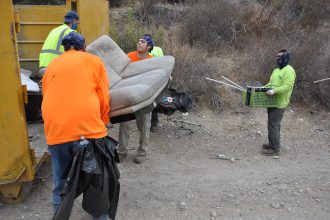
The night the drywall dust settled and the paint cans lined the curb in Highland Park, Maria stood on her porch and watched a rusty orange rectangle of metal eat the chaos of her renovation. It arrived like an uninvited guest with a purpose—wheels clunking, engine idling, lights blinking—while across the street a neighbor watered a bougainvillea and a dog barked at nothing. “It looks like a whale,” her son said, peering over the fence. She laughed, but underneath the humor was a pulse of relief. In a city of constant reinvention—Los Angeles, where every block feels like a new script—the dumpster was the plot device that promised an ending.
Setting the Scene: A City of Layers
Los Angeles is a patchwork of neighborhoods that hold their own little universes. From the salt-tinged air of Venice and Santa Monica to the industrial hum of Long Beach, from the suburb-turned-studio lots of Burbank and Glendale to the tree-lined porches of Pasadena, each place has its rhythms—and its rules. Maria’s house sat between a mom-and-pop bakery and a nail salon; the alley smelled of fried dough at dusk. She’d chosen a local dumpster company with a driver named Tony who knew every city inspector by face. “Permit or no permit?” he asked, cradling a clipboard like a captain with a map.
Rising Action: The Negotiations and the Noise
There are small dramas to dumpster removal that nobody mentions at cocktail parties. Where to put the dumpster without blocking traffic in Culver City? How to anchor it so it won’t scrape a neighbor’s Tesla in Beverly Hills? Who’s going to haul the old plywood to the right recycling center in Torrance? Tony shrugged and said, “We figure it out.” He drove like he thought every alley could be a stage entrance and every driveway an audition.
On the second morning, as the sun threw long fingers between palm trunks, two men in reflective vests arrived with cones and a permit taped to the windshield. “City of Los Angeles approved,” Tony read aloud. Maria felt a small internal cheer. In the City of L.A., public street placement often needs a temporary use permit; in Santa Monica and West Hollywood, enforcement can be strict and fines can arrive like bad postcards. Long Beach might require different forms. “Always check with your city,” Tony told her. “One city’s friendly is another city’s strict.””,
Key Insights: Practical Lessons Woven into the Story
As Maria and Tony nudged the dumpster into place, their conversation became a how-to lesson disguised as neighborhood banter. He explained sizes like a mechanic describing engine types: a 10-yard box for tight garage cleanouts, 20- and 30-yard options for most home remodels, and 40-yard monsters for construction sites in Downtown LA. “Weight matters as much as size,” he warned, tapping the dumpster with a gloved knuckle. “Concrete, soil, and tile? Heavy hitters. They eat through weight allowances and can spike your bill faster than you can say ‘debris.'””>
He pointed to the garage door where a stack of old fluorescent fixtures gleamed. “Hazardous stuff—batteries, solvents, asbestos tests—no-go in here. Electronics in California have special recycling rules under state e-waste laws, and paint has its own disposal lane. For those, call your city’s hazardous waste program or drop-off centers; Santa Monica and Pasadena have good options.” Maria scribbled notes on a receipt: “No paint, no batteries, check e-waste.””>
Scheduling was another thread: pick a delivery window that avoids rush hour and gives crews time to stage the load. In Inglewood or Hollywood, weekend work can save time on commute but may require noise consideration. Tony also mentioned that many companies offer flexible rental periods—short-term for a weekend cleanout or longer for slow, careful gutting. “And always ask about weight limits and overage fees,” he said. “Transparency saves surprise invoices.””>
Scene: A Neighborhood Learns to Let Go
On a Wednesday afternoon, the dumpster became a neighborhood focal point. A retired schoolteacher from down the block shuffled over with a thermos and a story about when the same street was all orange groves. A teenager peered from behind a skateboard and asked if he could help load. Maria handed him a box of old books. She thought of the books as if they were small ships carrying memories—library cards, dog-eared pages, coffee rings. “We’re making room for new things,” she told him, and the boy nodded, like that solved something big.
There was the smell of sawdust and motor oil, the metallic clang of a frame hitting steel, the rattle of loose screws in the bottom of a box. The crew worked methodically, stacking things to balance the weight and sorting out recyclables. Across the street, a film crew paused and pointed cameras toward a location scout’s checklist; the dumpster was part of the city’s texture: utility and art, grit and glamour.
Deep Dive: Regulations, Recycling, and Costs
Maria learned that Los Angeles County and its cities have overlapping systems. The Bureau of Sanitation in the City of Los Angeles manages certain bulky item rules and some neighborhoods provide free bulky-item pickup with proper scheduling. Private haulers operate across most of the region and often partner with transfer stations and materials recovery facilities. “You can save money by pre-sorting,” Tony said. “Separate metals, green waste, and concrete from household trash. Metal gets recycled; green waste can be composted; concrete may have a separate fee but it’s cheaper than paying for its weight in mixed trash.””>
Costs vary by size, weight, and distance to recycling or landfill sites. A small 10-yard roll-off for a garage cleanout might run a few hundred dollars for a short rental; larger 20- to 30-yard bins for remodels can cost several hundred to a thousand depending on duration and debris. “Ask for an itemized quote,” Tony advised. “Some companies include delivery, pickup, and a set tonnage. Extra tonnage, special items, or longer rentals add up.””>
Permits are another practical facet: in Los Angeles and many neighboring cities—Burbank, Glendale, Culver City—placing a dumpster on a public street often needs a temporary permit and sometimes a specific traffic control plan. If you plan to block a parking lane in Santa Monica, factor permit processing time into your schedule. “If you don’t get the right permit, expect a citation and a ticket that feels personal,” Tony joked. When he laughed, Maria imagined a red envelope in the mail: a bureaucratic reminder that even cleanup requires paperwork.
Emotional Turn: Old Things, New Chances
Loading the last of the family’s heirloom furniture felt like a small grief ritual. Maria ran her hand over a faded dining chair that once hosted holiday arguments and first kisses. Her neighbor, Ms. Alvarez, came by with lemon cookies and a memory to trade—how she had danced the night her husband fixed the roof in 1978. The stories flowed as freely as the sweat on the workers’ brows. The dumpster, in that moment, was more than iron and obligation; it was a temporary altar where the neighborhood left what was done and made room for what might be.
“You did the right thing,” Tony said quietly as the last box slid over the lip. “People put fear into clutter sometimes—like it’s an anchor. You drop it and the tide changes.””>
Resolution: The Last Haul and the Quiet After
On a golden morning, the crew returned to haul the container away. Maria stood on the porch, smelling coffee and sawdust evaporating in the sun. The dumpster’s hydraulic lift hissed and the metal box rose like a sleeping animal waking. Neighbors watched; the skateboarder gave a thumbs-up. As the truck pulled away, the street seemed larger, like an emptied stage ready for a new scene: a pot of ferns on the front step, fresh paint around the windows, space at the curb where a car could park without bumping against a mound of broken drywall.
The crew waved, and Tony shouted, “Remember: separate metals, no batteries, call the city for bulky pickups if you need them!” His voice carried down the block like a small blessing. Maria felt lighter and also a little strange—like closing a chapter she’d been living in for months. The change wasn’t dramatic. It was the subtle relief of clean surfaces and the new potential of blank rooms.
Takeaway: What to Remember and Do
If you’re planning a cleanout—or just curious—here are the essentials Maria learned the hard and soft way: choose the right size dumpster for your job; ask about weight limits and hidden fees; never put hazardous materials, batteries, or untreated asbestos in a roll-off; check local permit requirements before placing a bin on the street; pre-sort metals, green waste, and concrete to save money and help the planet; schedule delivery and pickup outside peak traffic windows; and ask your hauler about recycling and destination facilities. In Greater Los Angeles, rules can change from block to block, and a local company that knows those nuances can be worth its weight in copper pipes.
Above all, remember the human part. Dumpster removal is more than logistics: it’s a punctuation mark in people’s lives. It signals endings—and the hope of fresh starts. Maria’s son put his arm around her and said, “Now we can actually cook in the kitchen.” She laughed and smelled the lemon cookies Ms. Alvarez had left on the counter. The street looked ordinary, splendidly ordinary: a place where life kept happening, with space to breathe.
As the sun slid low and the city lights blinked awake in Hollywood and the towers of Downtown LA, Maria opened the windows to let the evening air carry the last whiff of sawdust away. The dumpster was gone, but its memory stayed in the neat piles and the stories told on porches. In Los Angeles, reinvention is constant. Sometimes it arrives by a truck and a crew in reflective vests, and sometimes it starts with the decision to let go.