Do you remember the last time a pile of junk made you feel like the whole neighborhood was leaning in to watch? That is exactly how Maria felt the morning the dumpster arrived in front of her bungalow in Echo Park — a bright metal rectangle that promised both chaos and catharsis. Neighbors popped their heads out of windows like curious gulls; a dog barked two doors down; the smell of strong coffee mixed with the city’s pale smog. The dumpster’s arrival looked like an event, and, in many ways, it was.
Setup: Who’s Involved and Why
Maria was a single mother of two, balancing freelance graphic design projects with a long-overdue kitchen renovation. Across town, in Pasadena, her friend Jonah was finally clearing out the storage unit he’d rented since his divorce. In Santa Monica, a boutique hotel was prepping for a summer facelift. They were very different people in different parts of Greater Los Angeles, but they shared a common thread: the need for dumpster removal.
They called different companies. Maria chose a local roll-off service recommended by a neighbor in Silver Lake, Jonah went with a large national chain for his wide driveway cleanup, and the hotel manager in Santa Monica worked with a contractor who knew the permits around Ocean Avenue better than anyone. What connected them was a web of decisions, rules, and little-known facts about hauling debris in a city that stretches from Malibu’s cliffs to the industrial wharves of San Pedro.
Rising Action: Complications in the City of Angels
The first complication arrived in the form of a permit. “You need a street-use permit if that dumpster sits on public property,” the truck driver told Maria as he wiped his hands. “That includes sidewalks and the parking lane in front of your house.” Maria had pictured the dumpster sitting neatly on her driveway; instead, her driveway’s slope meant the driver had to place the unit half on the street. That meant a permit from the City of Los Angeles, a brief delay, and a conversation with the block association.
Jonah’s problem was access. His storage unit was on a narrow alley in Pasadena, and the roll-off truck couldn’t make the turn. He remembered the driver muttering, “Ever tried to back a dumpster into a historic district?” The solution: a smaller 10-yard dumpster and a crew willing to shuttle materials by hand. Cost rose; stress rose; but so did the momentum toward an emptied space and a lighter heart.
Meanwhile, the Santa Monica hotel faced Coastal Commission rules: construction debris had to be handled to avoid runoff into storm drains and the beach. The contractor hired a service that separated materials on-site — drywall and lumber earmarked for recycling, metal for scrap, and hazardous materials isolated and scheduled for special disposal. All three stories underline a truth: dumpster removal in Greater Los Angeles isn’t just hauling away junk — it’s a choreography of regulations, geography, and timing.
Key Insights: What Everyone Learned on the Road to Cleanliness
As the narrative unfolded, practical lessons revealed themselves, often in Maria’s own voice. “I thought any dumpster would do,” she told Jonah over a late-night phone call, the L.A. skyline blinking in the background. “Turns out there are sizes, weights, and rules. Who knew?” Her discovery is worth sharing.
First: choose the right size. In Los Angeles, roll-off dumpsters come in common sizes — 10, 15, 20, 30, and 40 cubic yards. A kitchen remodel for a bungalow in Echo Park might only need a 15- or 20-yard unit, while a full-home teardown in Torrance or Long Beach could require a 30- or 40-yard container. Size affects price and the available placement; narrow streets in Venice or historic neighborhoods in Pasadena often force smaller units or different delivery methods.
Second: understand the weight and material rules. Dumpsters have weight limits; going over brings hefty fees. “We had a guy in Burbank who filled his 20-yard box with concrete and then blamed us for the extra charge,” said one dispatcher. Concrete, dirt, and brick are heavy; wood, cardboard, and household junk are lighter. Hazardous materials — paints, solvents, asbestos — aren’t allowed in standard dumpsters and require specialized handling. Businesses in Downtown Los Angeles and industrial zones like Vernon often need commercial dumpsters with regular pickups and specific disposal plans.
Third: permits and placement matter. City rules vary. Los Angeles, Santa Monica, and Long Beach each have their own requirements for placing a dumpster on a public street. Some neighborhoods — Beverly Hills, Malibu, and certain parts of West Hollywood — have strict aesthetic rules or historical preservation guidelines. Call your city’s public works department or check an experienced hauler’s website before scheduling delivery.
Fourth: recycling and reuse are part of modern removal. “We separated metal and sent it to a scrap yard,” recalled Jonah. “I didn’t expect to get money back for old appliances.” Greater L.A. has a robust recycling network: metals, cardboard, some plastics, and clean wood can be diverted from landfills. Many companies offer sorting at the job site and partnerships with donation centers like Habitat for Humanity ReStores in Long Beach and Los Angeles, where salvageable items find new homes.
Fifth: timing and traffic in L.A. are real factors. The best time to schedule a delivery might be early morning to avoid rush hour. In Hollywood, Culver City, or near LAX in Inglewood and El Segundo, trucks must navigate heavy traffic and restricted loading zones. A thoughtful hauler will coordinate time windows and advise on neighborhood restrictions.
Scene: A Moment of Decision
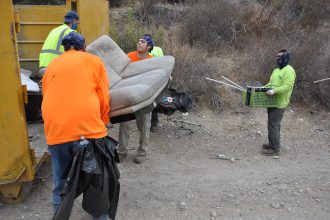
One afternoon, while the sunset painted the Griffith Park hills gold, Maria stood on her front steps supervising the loading. She watched a volunteer neighbor lift out a battered dresser, its varnish flaking like old paint on the curb. The kids were handing tools, careful as if the task were ceremonial. A passerby from across the street stopped and said, “Looks good — feels good to see a house getting a fresh start.” Maria realized this wasn’t just waste moving from A to B; it was a reordering of her family’s life.
“How’d you choose the company?” Jonah asked when they met for coffee in Pasadena. Maria smiled. “I asked three people and listened. The cheapest wasn’t always the best. The one who answered my questions about permits and what we could recycle was the one I trusted.”
Resolution: Things Fall into Place
The day the dumpster was hauled away, the street in Echo Park felt different — lighter, as if the air itself had been decluttered. Maria’s kids drew chalk hearts on the sidewalk. The hotel in Santa Monica reopened with a new lobby floor and a seaside-friendly waste plan. Jonah’s storage unit was empty, its monthly bill canceled with a small celebratory espresso. Each story converged on a simple resolution: careful planning, the right sized container, and attention to local rules turn a messy, stressful process into a neat, efficient one.
There were small triumphs along the way. A set of vintage kitchen chairs, too good to toss, found a new owner through a local Facebook group. A pile of old metal tools earned Jonah a little cash at the Long Beach scrap yard. Maria learned how to separate debris so it could be recycled, cutting disposal costs and helping the planet, even in a city of millions.
Takeaway: What You Should Remember and Do
If you’re facing a cleanup — whether you’re renovating in Glendale, clearing out a bungalow in Venice, or managing a construction site in Torrance — remember these touchstones: size matters, weight matters, permits matter, and disposal choices matter. Start by asking a few questions: What size dumpster do I need? Will it fit where I want it to go? Do I need a street permit? What materials are prohibited? Can anything be donated or recycled?
Talk to local haulers who know the neighborhoods: they’ll understand the quirks of Silver Lake hills, the narrow lanes of Echo Park, the parking rules in Santa Monica, and the Coastal regulations in Malibu. Get a written estimate that includes delivery, pickup, weight allowances, and potential extra fees. If you have hazardous waste, call your city’s household hazardous waste program — Los Angeles County and cities like Long Beach and Pasadena have options for safe disposal.
And finally, treat the process as more than logistics. It is, as Maria discovered, a kind of homecoming. Recycling a metal lamp can feel like passing a baton; donating a couch is a small kindness; removing the last pile of drywall may be the moment a room finally becomes yours again. The dumpster is not just a box; it is a stage on which a story of renewal plays out.
The sun dipped behind the hills the evening the last truck left. Maria stood in her half-renovated kitchen, the scent of fresh paint mingling with the evening breeze that rolled off toward downtown and out to the ocean. She took a breath and felt the city around her — the distant hum of traffic on the 101, the muted cheers of kids playing soccer in a nearby park, the glow from the Hollywood sign like a promise. The dumpster had come and gone, and with it had carried away more than debris: it had carried away the old, making room for the new.
In Los Angeles, where neighborhoods are as varied as the people who live in them, the right dumpster removal service is more than convenience; it’s an ally. Whether your job is a small cleanout in Burbank, a remodel in Beverly Hills, or a commercial project near the Port of Los Angeles, plan ahead, choose wisely, and watch your space — and your life — lighten.