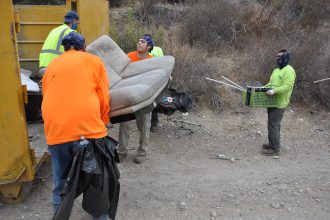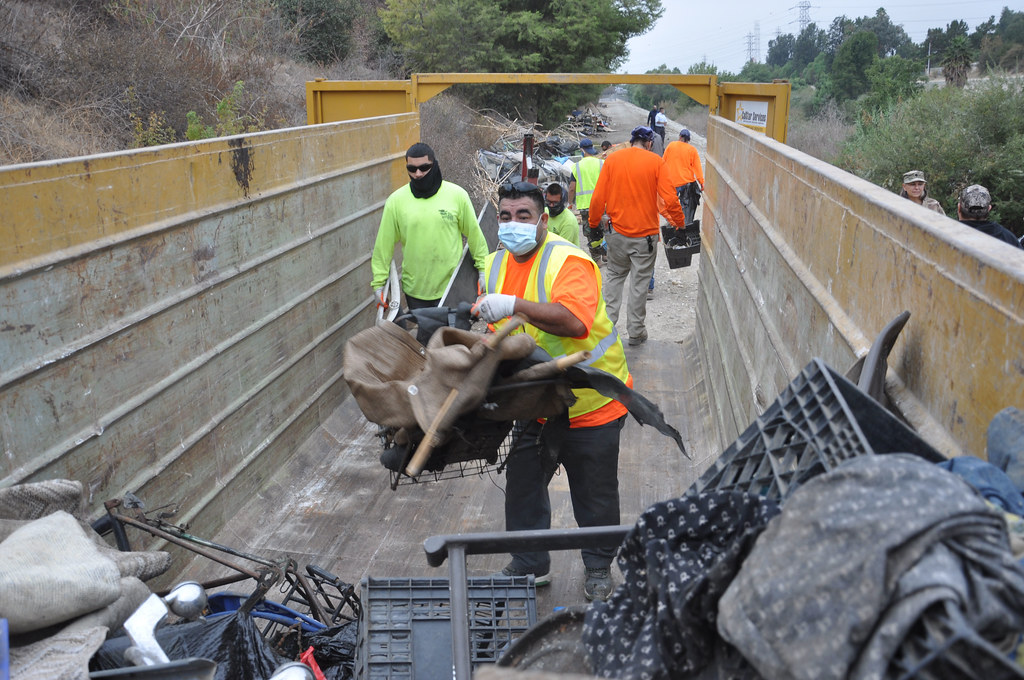
Did you know a single roll-off dumpster can change the rhythm of a neighborhood? It happened one August morning in Echo Park: the low hum of a diesel truck, the metallic sigh as an empty bin scraped onto an alley, and the smell of sawdust mixing with street vendor coffee. For neighbors used to the predictable soundtrack of morning joggers and distant freeway, the dumpster arrival became a small, unexpected event—one that pulled in conversations, questions, and eventually, a lesson about how Los Angeles deals with its waste.
The Setup: Maria’s Remodel and the City’s Patchwork of Rules
Maria had lived in Echo Park for eight years. Her bungalow, a sun-dappled refuge with jade succulents lining the stoop, was finally getting the gut renovation she’d postponed for too long. “We’re keeping the original hardwood where we can,” she told Javier, her contractor, while tracing a pencil along the old baseboard. “But the kitchen walls have to come down.”
Javier’s face, tanned and lined from years of work in Silver Lake and Hollywood, brightened. “Good bones. We’ll need a 20-yard for the demo. Narrow alley—you’ll need to sign the permit for the truck placement. Also, don’t forget neighbors and parking—this street is tight.”
And there it was: a practical avalanche of details. In the Greater Los Angeles area, cities run on their own rules. Pasadena wanted a permit filed with Public Works, Santa Monica had strict curbside placement rules to protect bike lanes, and Glendale flagged any dumpster that blocked sidewalks. Maria’s project would touch on many of those rules depending on where the truck needed to sit.
Rising Action: A Tight Alley, a Parking Permit, and a Neighbor’s Concern
The morning the crew was scheduled, a truck idled at the curb. Heat shimmered off its hood. The driver, Luis, stepped down with a clipboard and a friendly yet practiced patience. “Permits all sorted?” he asked.
“I submitted the LADOT permit online last week,” Maria said, fiddling with her keys. “But I wasn’t sure about the timeframe if the truck needs to sit on the street beyond three days.”
“Different cities have different rules,” Luis said, wiping sweat from his brow. “For example, Los Angeles often requires a permit for placement on the public right-of-way. Santa Monica and Long Beach can require permits with stricter parking restrictions, and in places like Beverly Hills you’ll sometimes get a specific curb-cut requirement. You’ll also want to check if you need a neighbor notification—some HOAs or historical districts request it.”
As the crew began to position the dumpster into the alley, Mrs. Klein from two houses down shuffled out. Her cane tapped the pavement. “You’re going to be noisy all week,” she complained. “And what about the smell? My asthma—”
Javier lowered his voice. “We’ll keep the lid closed. We’re separating materials—green waste in one bag, lumber in the bin, tile and concrete set aside so we can haul them to a recycling facility. We won’t leave loose debris that can drift into yards.”
Mrs. Klein’s skepticism softened. The crew’s respectful, methodical approach made a difference: they blocked the lane for only a brief moment, placed cones and reflective signage, and handled the neighbors’ concerns with a practiced calm.
Key Insights Woven Through the Story
As the demolition proceeded, Maria learned a crash course in dumpster logistics—lessons many Angelenos only discover the hard way.
Size matters. Dumpsters come in common roll-off sizes: roughly 10, 20, 30, and 40 cubic yards. A 20-yard is often the sweet spot for moderate home renovations across neighborhoods like Culver City, Glendale, and Pasadena: big enough for cabinetry and drywall but narrow enough for smaller driveways. For larger builds in places like Burbank or Torrance, contractors often opt for 30- or 40-yard units.
Placement and permits are local. In Los Angeles, placement on a public street usually requires a permit from LADOT or Bureau of Street Services, and fees vary by duration and whether the dumpster blocks travel lanes. Santa Monica and Long Beach have their own public works departments with different processes, and cities may require traffic control plans if the dumpster blocks a bike lane or sidewalk. When in doubt, call the city’s 311 line or the local public works office; a quick phone call can prevent a citation.
Weight and tipping fees add up. Dumpsters are not just about volume—what you fill them with dictates cost. Heavy materials like concrete, tile, or soil increase weight and trigger higher tipping fees at transfer stations. That’s why Javier sorted materials on-site: lumber and drywall went into the roll-off, concrete and tile were separated for crushed aggregate recycling, and hazardous liquids like paints were set aside for special disposal.
Recycling is realistic. Los Angeles County has a robust infrastructure for recycling construction and demolition (C&D) debris. Facilities run by companies such as Athens and Republic Services accept separated streams for recovery. Separating materials on-site can reduce landfill fees and contribute to local green building goals.
Hazardous waste needs special handling. Household hazardous waste—paints, solvents, pesticides—doesn’t belong in a dumpster. The county runs scheduled collection events and permanent facilities where residents from Inglewood to Long Beach can safely dispose of these materials. The scent of a stray can of old paint can spoil a crew’s workday, so these items must be kept out of the bin.
Details on the Ground: A Day of Dust, Sound, and Small Triumphs
Demo day arrived with a sky the color of oyster shell. The crew worked in an orchestrated tempo. Saws whined, a hammer clinked rhythmically, and dust rose like a small inland fog. The dumpster took on form as it filled: first an avalanche of plaster, then a pile of tiled backsplash, then a stack of old cabinets that smelled faintly of soy sauce and memory.
Neighbors drifted by: a skateboarder from Silver Lake paused to watch; a young couple from Los Feliz asked about costs; a florist from Echo Park offered cold water. Conversation made the hard work feel communal. At one point Mrs. Klein brought over lemonade. “You’re doing a good job keeping things clean,” she said, watching the crew sift nails and screws into a small metal bin so they wouldn’t become hazards.
At midday, Luis drove the half-ton pickup to a local recycling transfer station. The sun was high and hot; palm trees etched the skyline. He returned with a small grin. “We dropped off a load at the local MRF and a pile at a C&D recycler in Vernon. Saved Maria some tipping fees by sorting out the heavy stuff.”
Resolution: A Neighborhood Transformed
By week’s end, the dumpster was lighter, then gone. The alley smelled cleaner, paradoxically, after the dusty hum had left. Maria stood on her stoop, hands on hips, a layer of plaster dust on her forearms like a badge. The kitchen was a bowl of raw bones ready for rebuilding. Her neighbors came by to peer through the doorway, offering paint color suggestions, or recipes for a new oven they’d all soon smell.
“I didn’t know so much went into it,” Mrs. Klein admitted, sipping her lemonade. “It wasn’t just a truck. It was careful work and talking to people.”
Maria smiled. “It was. And we didn’t even get a ticket.”
That light-hearted victory was small but telling: when the logistics of dumpster placement, permits, communication, and responsible disposal align, renovation becomes a community act rather than an imposition.
Takeaway: What to Remember and Do
If you’re planning demolition or a big cleanout in Greater Los Angeles, keep these practical takeaways close at hand:
– Check local permits before you book. Whether you’re in Los Angeles, Santa Monica, Long Beach, Pasadena, or Glendale, each city has its process for dumpsters in the public right-of-way.
– Choose size wisely. Match the dumpster cubic yards to the job: small remodels often need 10–20 yards; major construction may require 30–40 yards. Consider access constraints in neighborhoods like Echo Park or Silver Lake.
– Separate heavy materials. Concrete, tile, and soil increase tipping fees. If possible, separate these on-site for recycling to save money and the planet.
– Don’t put hazardous waste in the bin. Use county hazardous waste drop-offs for paints, solvents, and chemicals.
– Communicate with neighbors. A quick heads-up, clear signage, and responsible staging mitigate complaints and strengthen community goodwill.
– Use a reputable hauler. Find a company familiar with Los Angeles Bureau of Street Services rules, or with experience across the region—companies that know the difference between a Glendale sidewalk permit and a Torrance curb use restriction will save time and headaches.
In the end, what started as Maria’s desire to reclaim her kitchen became a small story of civic choreography. The dumpster was more than metal and waste; it was a tool that, when managed with care and local knowledge, reshaped a corner of Echo Park without fracturing the neighborhood’s rhythm.
Weeks later, as workers fitted the new cabinets and sunlight pooled across the refinished floor, Maria looked out at the alley and imagined ovens warming, friends gathering, and a community that had watched a mess become something new. The final image—her kitchen window open to a soft sunset over the city, the faint trace of sawdust in the air—felt like a small Los Angeles miracle: ordinary, noisy, and quietly collaborative.