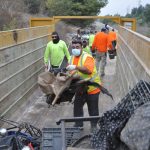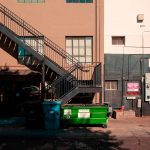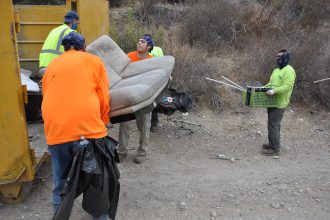
The first time I saw a dumpster change a neighborhood was on a sticky July morning in South Pasadena. A battered five-yard roll-off sat like a hulking, patient beast at the curb, humming faintly from the cicadas and the distant freeway. Mrs. Alvarez, clutching a paint-streaked coffee mug, leaned on her fence and watched as teenagers from the high school crew tossed out decades of a family’s broken chairs and yellowed curtains. ‘Feels like they’re taking our history,’ she said, voice low, then smiled when the last splintery armchair slid like a sigh into metal. ‘But maybe it’s making room for something better.’ That metal box, that rumbling truck, the smell of hot asphalt and pine-scented cleaners—something about it felt like a ritual. It was waste, yes, but also possibility.
Setting the Scene: A Patchwork of Cities and Stories
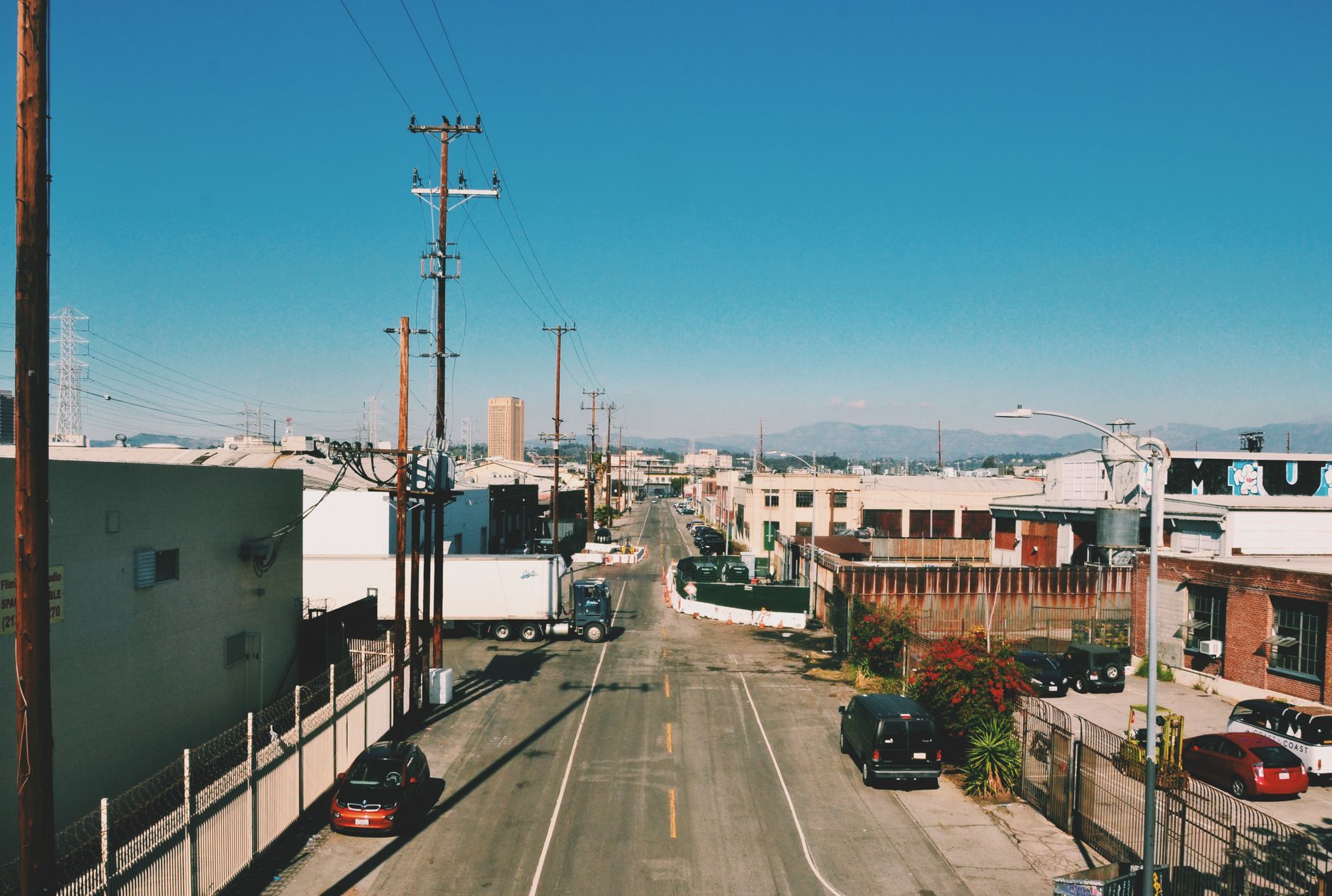
Greater Los Angeles is an orchestra of neighborhoods: Santa Monica’s salty breeze, Glendale’s eucalyptus-scented hills, the palm-framed corridors of Culver City, the pier-snap light of Long Beach, the vintage storefronts of Pasadena. Each block has its own rhythm and rules. So when a homeowner in Echo Park hires a crew, or a contractor in Burbank calls for a 20-yard container, they’re navigating a living mosaic of narrow streets, HOA guidelines, municipal permits, and the constant presence of people who live and work right beside the cleanup.
I followed three such jobs in one week—an estate cleanout in Hollywood, a kitchen renovation in Torrance, and a community garden overhaul in Inglewood—to learn how dumpster removal weaves into life in LA. Their characters were different: a quiet widow, a restless contractor named Marco, and a volunteer gardener named Sima—but the themes were the same. Pride, constraints, and the small triumphs of making space.
Rising Action: The Small Battles Behind the Big Haul
On Pine Avenue in Long Beach, Marco slammed his van door and checked his phone. ‘We need a 20-yard—no, 30 if we can get it—right outside the unit by noon,’ he said. The building had a two-car driveway and a laminated HOA rulebook that read like a municipal novella: no dumpsters on the street between 8 a.m. and 5 p.m., no loud equipment, and all containers must be skirted and screened. Add to that the Venice-style narrow lanes of Los Feliz and the siren-song of rush-hour traffic, and logistics become a puzzle.
In Hollywood, the estate manager worried aloud about antiques. ‘We don’t want to toss the wrong thing,’ she told me, fingers absently rearranging a stack of faded postcards. The dumpster operator, a soft-spoken man named Ramon, crouched to inspect the pile. He smelled of motor oil and coffee, and he moved with the kind of practiced calm that comes from years of maneuvering metal containers through impossibly tight spots. ‘Label it,’ he suggested. ‘Photos, list, then we can separate donations.’
Meanwhile, in Inglewood, Sima and a crew of volunteers rolled out wheelbarrows from the community garden. The old compost bins were rat-attracting and full of broken fencing; the city had promised a bulky-item pickup, but the timeline stretched out like traffic on the 405. So they rented a small roll-off. A group of kids painted ‘New Roots’ on one side of the crate; someone strummed a guitar as a mound of uprooted shrubs disappeared into the metal belly. That afternoon, people from the neighborhood came to help, drawn by the sound of work and the smell of turned soil.
Key Insights Woven into the Story
As the week moved along, practical lessons arrived inside the narratives, not as lectures but as tools used by real people. Ramon explained, ‘In the city proper—Los Angeles, West Hollywood, Culver City—you often need a permit for the street space. If the container is on private property, you might avoid that, but most homes don’t have room in the driveway. Permits take a day or two, sometimes more.’ He swept his hand as if showing invisible maps of municipal offices.
Marco, who’d grown up in Boyle Heights and had been contracting for a decade, taught me about sizing. ‘Don’t over-order,’ he said, tapping his phone. ‘A 10-yard fits small remodels. 20-yard is the workhorse—kitchen knockouts, carpet-out flips. 30 or 40 if you’re gutting a multi-room place or clearing bulky items from a yard.’ He pointed to the curb where a 20-yard sat mid-morning, already half-full. ‘Overfilling costs you. So does packing it wrong. Think of it like Tetris: flat panels first, then furniture, then soft stuff.’
Sima’s lesson was about materials: ‘We separated the soil, metal, and wood. Metals and appliances can be recycled—call the hauler ahead of time and ask about transfer stations. In LA County, places like Sunshine Canyon accept certain loads, but you need to know if you’ve got hazardous materials—paints, oils, batteries. Those are handled differently.’ When she lifted a greasy can and held it up to the sun, you could see the worry of contamination in her jaw. ‘Don’t mix them. If you dump paint-laden rags into the roll-off, it becomes hazardous and the fees spike.’ The volunteers nodded; someone made a checkmark on a clipboard.
Negotiating the City: Permits, Parking, and Neighbors
At a mid-century home in Pasadena, a young couple argued gently in the doorway while the dumpster sat perpendicular to their garage like a new sculpture. ‘Do we need cones?’ the wife asked. Their neighbor, an elderly man with a watering can, peered over his hedge. ‘Keep it off my driveway and don’t block the truck’s path,’ he said with a half-smile. Los Angeles is a place of compromise; the street belongs to everyone, but temporary needs must be negotiated.
Ramon made phone calls to the city office in the late afternoon, his voice becoming part of the soundtrack of municipal bureaucracy: ‘Yes, I’m calling about a temporary street-occupancy permit. The street is residential, no metered parking… No, it’s for a 20-yard roll-off… We’ll place cones and signage.’ He scribbled permit numbers on a clipboard, folded it into his back pocket, and went to secure the container with wooden blocks so it wouldn’t roll during the night.
Environmental Responsibility and Local Infrastructure
One afternoon I rode with a driver to the transfer station on the outskirts of Los Angeles. The smell hit first: a layered scent of diesel, compost, hot metal, and old cardboard. The driver, Maria, explained the path of waste from curb to final destination. ‘We try to keep salvageable materials out,’ she said, pointing at a bin of copper pipes. ‘Appliances go to appliances recycling. Green waste gets chipped if possible. But the biggest issue is contamination—people throwing mattresses with biohazard stains, tires mixed in with construction debris. Those things cost everyone.’
She gestured toward the skyline—grimy and shimmering—and said, ‘LA’s enough people that what we throw away matters.’ Reuse centers in Long Beach and community collection events around Torrance accept certain bulky items and hazardous materials. Understanding local resources not only reduces fees but keeps salvageable goods out of landfills and in circulation for someone who needs them.
Resolution: The Moment of Clearing and Quiet
Back on the tree-lined side street in Glendale, Mrs. Alvarez stood by her fence as the last of the estate’s heirlooms disappeared into the dumpster. She had cried once, she admitted, but now she was laughing, telling a story about her late husband’s ridiculous taxidermy moose that no one could stand. ‘We kept the postcards,’ she said, and when I looked, there was a small cardboard box of them, labeled and safe on the porch. Ramon gave a gentle nod. ‘We always ask first,’ he said. ‘If it’s sentimental, set it aside. Not everything is junk.’
At dusk in Inglewood, the community garden smelled of jasmine and fresh dirt. The roll-off was emptied and hauled away, the street free again for evening joggers, for kids playing handball in the light of sodium lamps. Marco’s crew left behind a neat stack of reclaimed wood and a new trellis. Sima leaned against the bench, face orange in the glow of the streetlamp. ‘We made room,’ she said simply.
Takeaway: What to Remember and Do
Stories like these show that dumpster removal in Greater Los Angeles is more than logistics—it’s negotiation, stewardship, and community. If you’re planning a haul, remember: size your container to the project, separate recyclables and hazardous materials, check municipal permit rules (especially in Los Angeles, West Hollywood, Santa Monica, and Culver City), and communicate with neighbors and HOAs. Call the hauler ahead of time to learn about accepted materials and transfer station options. Consider donation centers in Long Beach or Pasadena first for salvageable furniture. And when in doubt, photograph and label before you toss.
People often imagine dumpsters as purely utilitarian, but in LA they’re also stages for small acts of civic care—neighbors chatting over the low metal, teens hauling branches with a grin, crews moving like a practiced machine under midday sun. The city is always remaking itself, and sometimes that remaking happens through the grind and clatter of a dumpster being filled and taken away. It can be noisy, inconvenient, and expensive—but it can also be gentle, precise, and a little ceremonial.
On my last day following the crew, as the truck rolled away from a quiet Culver City block, I heard someone call across the street: ‘Thanks for making space for the garden.’ The driver waved, the engine breathed out, and the evening settled back over the rooftops. The dumpster had taken what needed taking, and the neighborhood had a new pocket of possibility—the smell of cut sage on the breeze, the city lights freckling the hills, and an empty drive where a tree would soon be planted.