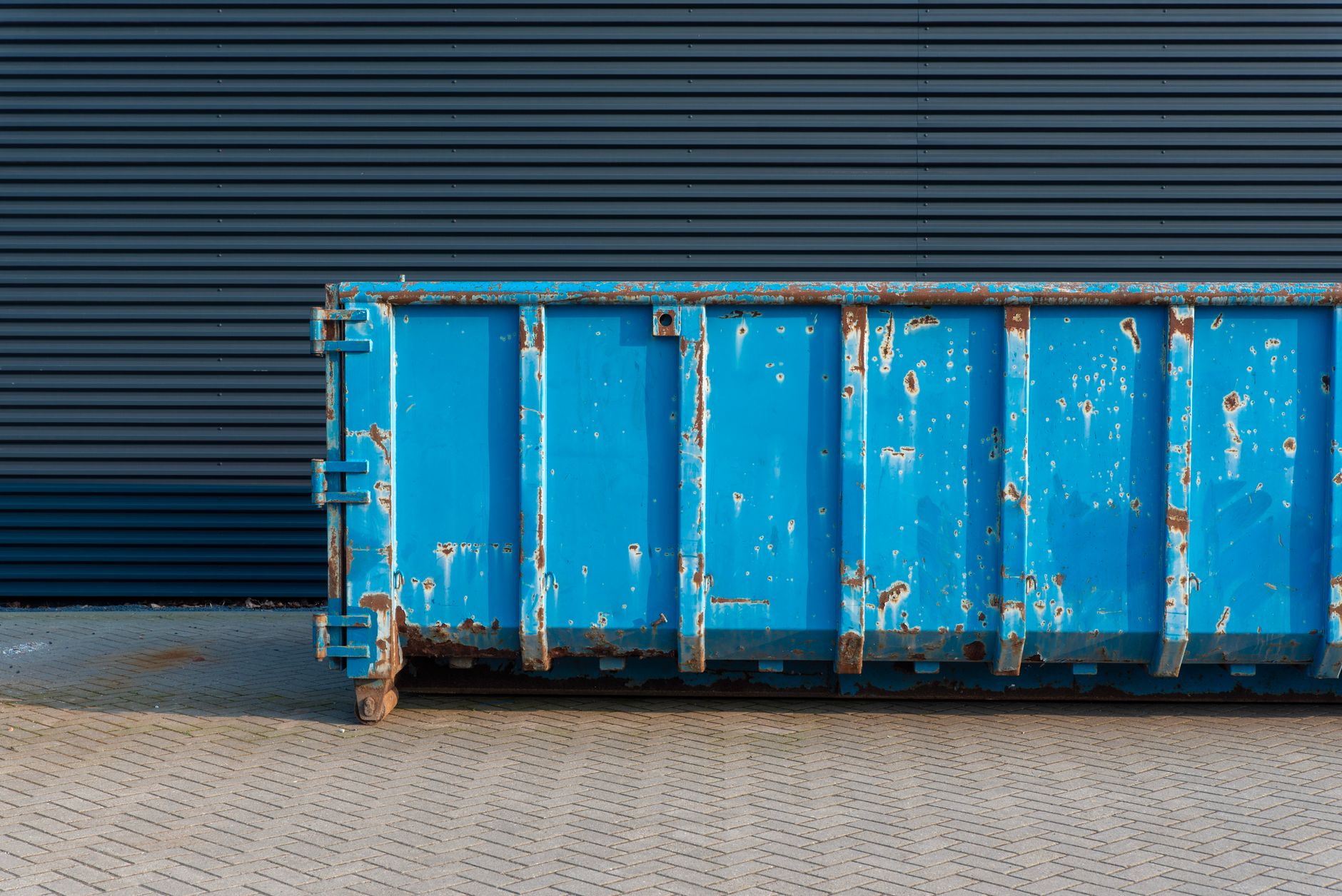
The first time a dumpster rolled down my street in Echo Park, it sounded like an arrival: a heavy exhale of metal and hydraulic breath, the squeal of tires, a thrum that vibrated through the eucalyptus leaves. I remember the smell—hot asphalt, motor oil, and faintly, the sea, as if the city had borrowed a coastal memory for the afternoon. People paused: a woman hanging laundry, a kid on a bike, a man pruning his bougainvillea. A dumpster is more than a container. In Los Angeles, it’s a storyteller.
Setup: The Project That Started on a Tuesday
Mariana had called me two weeks before because she wanted to gut her mother’s old bungalow behind Dodger Stadium. ‘It’s time we let the house breathe again,’ she said over the phone, voice tight with a mix of grief and determination. Pasadena to Echo Park is a short drive but a long emotional arc: family heirlooms, a stack of paint-splattered picture frames, and memories tucked beneath floorboards. We knew a dumpster was part of the plan — a practical necessity and a visible sign that change was coming.
She hired Miguel, a soft-spoken driver who grew up in Burbank and knew every alley and permit office downtown. ‘Trust me,’ he said when we met on the morning the truck arrived. ‘You never want a dumpster in the way of a neighbor’s car. And never—never—leave it overflowing.’ He unfolded a yellow permit from his jacket, the paper creased like a map. For Mariana, the dumpster felt like a compass: place it right and the home points forward; place it wrong and the whole block’s rhythm is disturbed.
Rising Action: A City of Neighborhoods, Complaints, and Permits
Getting a dumpster in Los Angeles is different from dropping one in a field. The cities of Glendale and Burbank have quaint, tree-lined streets with homeowners’ associations; Hollywood’s narrow hills demand careful backing and spotters; Santa Monica and Venice bring coastal regulations: sand and seaweed have their own rules. I watched Miguel navigate that web like a conductor. He called the Department of Transportation for a street permit in Echo Park, crossed things off on his tablet, and negotiated with a neighbor in silver hair who was worried about parking for Taco Tuesday.
‘We’ll put cones up,’ Miguel said, pointing to where the dumpster would sit beneath a rusty jacaranda. ‘And I’ll be in and out quickly. Some folks think it takes a week. We do it in days if we can.’ The tension here was mundane but real: a permit could take time; neighbors could file complaints; a misstep could turn a renovation into a neighborhood feud.
At the same time, a foreman in Torrance was texting about a multi-family cleanout in Compton, and a condo association in West Hollywood was arguing over who’d foot the bill for an oversized load. The threads of this work crisscross Los Angeles like a map of small crises and small victories. The dumpster becomes a shared object: a place where private lives empty into public space, briefly, and then recede.
Key Insights Woven into Story: Sizes, Costs, and the Right Decisions
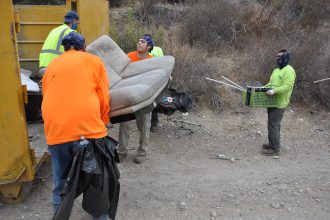
As Mariana loaded the house, images and practicalities slid into the conversation. ‘How big is this thing, anyway?’ she asked, hefting an old oak chair. Miguel smiled. ‘Think of them like rooms: a 10-yard is a study, a 20-yard is a living room, a 30-yard is a family room, and a 40-yard is your entire ground floor. We measure by volume and by weight. And there are rules—no hazardous waste, no tires in some places, and never more than the rim.’ He demonstrated by balancing a stack of drywall inside the container, leaving about a hand’s width below the lip: ‘See? You can’t call it a flagpole.’
Cost came up like coffee at a construction site—frequent and essential. Some companies quoted flat rates that included delivery, pickup, and a set number of days; others offered extended rental but added overage fees for weight or time. In Santa Monica, where parking is premium and coastal rules tighten the screws, permits and additional insurance nudged prices higher. In more industrial corners like Carson or the port areas, crews were faster with discounts for contractors who scheduled multiple containers.
But beyond price, there was responsibility. Miguel taught Mariana about separating materials: wood and metal that could be salvaged, drywall that might go to a recycling facility, and broken ceramics that needed landfill disposal. ‘Give away the gently used things,’ he suggested. ‘Goodwill or Habitat can take a chair with a missing leg if it’s repairable. The landfill is for what must be thrown away.’ The city’s own programs—drop-off centers and hazardous waste days—came up as off-ramps for items that couldn’t go into a dumpster: paint, solvents, old fluorescent bulbs. Even in a narrative about waste, there was space for stewardship.
The Midpoint: Neighborhood Tensions and a Sunset Near Santa Monica
One afternoon, while the team was clearing out a shed in North Hollywood, the truck stalled because a neighbor in a Craftsman house felt the dumpster blocked access to his historic mailbox. Voices rose; someone shouted about city codes; someone else mentioned a family doctor in Beverly Hills arriving late. It could have become a grievance aired on a local forum, but Miguel stepped between them like water smoothing stones. ‘We can shift it,’ he said, palms open, ‘five feet that way, under that palm. I’ll do it now.’ He moved with the practiced calm of someone who had seen too many arguments dissolve with common sense and the smell of coffee.
That evening, the team took a break at a lookout near the Palisades, where the ocean spread out like a polished sheet. We ate sandwiches, watched the sun smear gold across the water, and listened to Miguel tell a story about a haul in Malibu where a homeowner had discovered an old trunk of war letters underneath floorboards. The dumpster wasn’t just for throwing away; it was where things surfaced, sometimes literally. ‘People find memories,’ Miguel said. ‘You’d be surprised what turns up when you clear a house.’ For Mariana, who had already found a box of rusted photos, the comment felt like a benediction.
Key Insights Continued: Practical Tips and Local Rules
There are technical things every Angeleno learns, often the hard way. If you put a dumpster on a public street in the City of Los Angeles, you’ll need a permit from the Bureau of Street Services and possibly from the Department of Transportation. In communities like Beverly Hills and Santa Monica, expect additional fees and stricter placement rules. If your project is close to the shore—think Marina del Rey or Venice—you might encounter regulations around sand and debris. Coastal jurisdictions worry about runoff and the impact on marine life.
Loading strategy matters. Distribute weight evenly. Keep heavy items low and towards the truck’s end. Don’t overload the container past the rim; you could face fines if material falls onto the sidewalk. Ask about weight limits and get a clear quote for extra tonnage. Plan for what can be recycled. Metal, certain plastics, and untreated wood often have separate streams and might reduce your bill. For hazardous materials, search for your county’s Household Hazardous Waste (HHW) events—Los Angeles County runs several—and never mix paint, solvents, or batteries with general debris.
Resolution: The House Breathes Again
By the time the last plank of subfloor slumped into the dumpster, Mariana stood on the porch with the sun on her face and the city spread below—spaces where Burbank’s studio roofs met the Hollywood hills and beyond, the glint of the ocean. The dumpster had been there for a week: a steady, blunt presence that quietly took in the past. Neighbors began to nod again as parking normalized and the cones came down. Miguel signaled the team. The truck’s engine coughed, took, and then hummed into life.
‘You want me to drive it away now?’ he asked softly. Mariana nodded. The lift mechanism hissed, metal chains groaned, and the container tilted. For a moment it hung between here and elsewhere, then it rode the hydraulic arc and settled onto the truck. A familiar symphony of sound—the metallic clunk, the roll, the rubber—moved down the block, and then the house felt a little larger, like a lung cleared after a long winter.
Takeaway: What to Remember and What to Do
If you’re planning a cleanup or remodeling project in the Greater Los Angeles area, remember the human and the bureaucratic sides of dumpster removal. Talk to your neighbors, secure the necessary permits early—especially in Los Angeles, Santa Monica, and Beverly Hills—ask about weight limits and prohibited materials, and consider donations before dumpsters. Choose a reputable company that understands neighborhood rhythms, can handle small-lot challenges in places like Silver Lake and Echo Park, and knows where to take recyclables and hazardous waste. Think of the dumpster as a steward, not just a receptacle.
What I kept with me after Mariana’s house cleared was not how much dust we had shoveled or how many nails we fished from the joists. It was a simple final image: the truck moving away at dusk, palm silhouettes against an indigo sky, the city lights waking up across Hollywood and into the canyons. The dumpster had done its job—quiet, competent, and surprisingly compassionate—and the street exhaled. Somewhere between Marina del Rey and the hills of Studio City, an old picture frame found a new home in a thrift shop, and a pile of scrap metal nervously awaited its return to new shapes. That’s the secret: dumpsters are temporary, but the echoes they leave can be the first breath of something rebuilt.
When you next hear the rumble of a dumpster in your neighborhood—on a sunny morning in Torrance, or a breezy afternoon at Venice Beach—listen closely. It’s the city rearranging itself, making room for new stories.