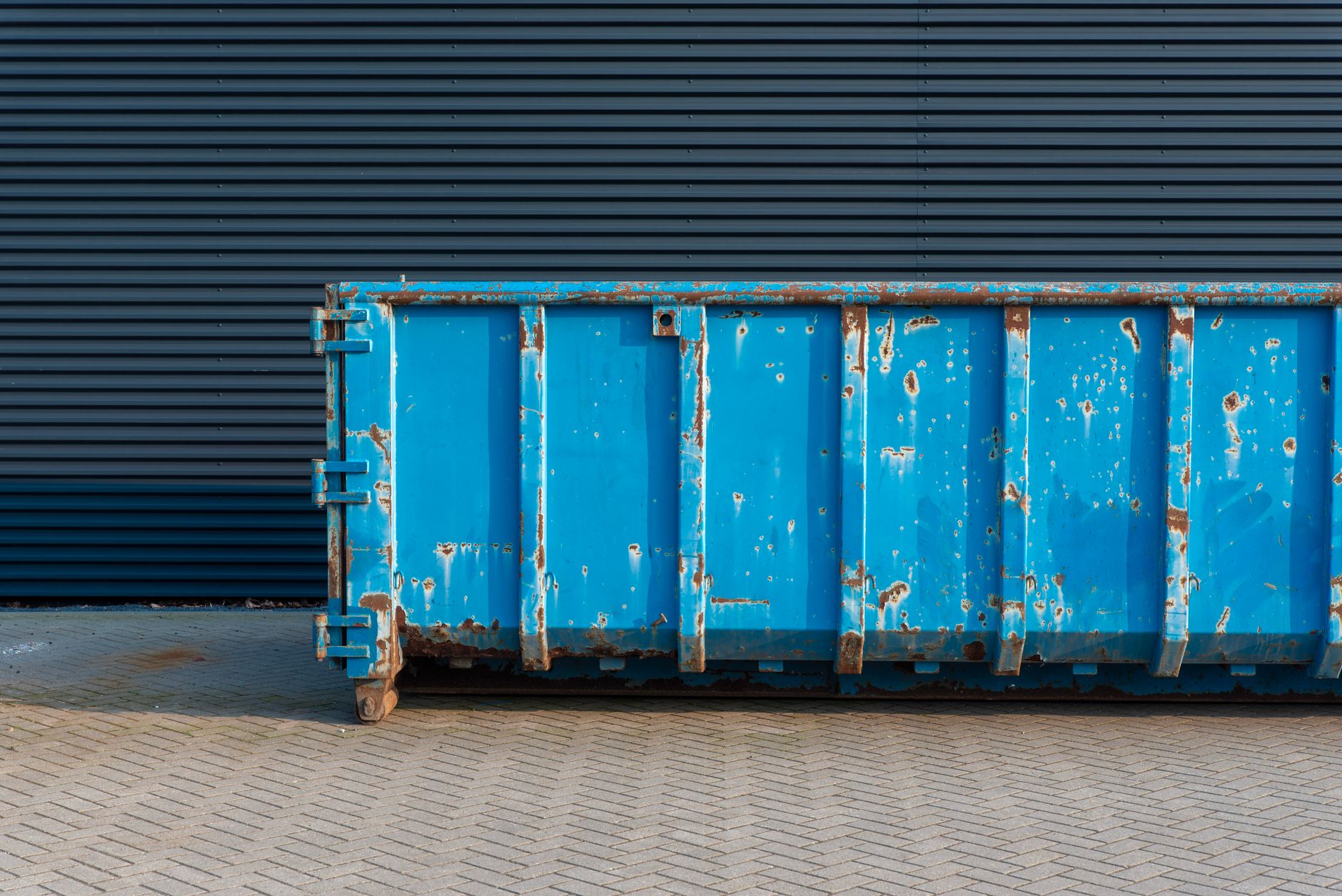
Have you ever wondered what happens to a pile of renovation debris once it leaves your driveway, or how a bright yellow roll-off dumpster becomes for a few days the focal point of a neighborhood’s choreography? On a sun-baked morning in Santa Monica, when salt air mingled with the smell of fresh-cut lumber, I learned that dumpster removal in the Greater Los Angeles Area is part logistics, part theater, and entirely tied to how this city reuses, recycles, and reimagines its cast-off lives.
The Morning the Driveway Filled Up
Marisol’s bungalow on Ocean Park Avenue looked ordinary until the truck rolled down the block. The steel container dropped with a soft metallic sigh and a firm thunk, settling into the driveway like a temporary guest who planned to stay for days. Neighbors peeked from behind curtains. A dog barked from the porch of the house next door. The dumpster smelled faintly of diesel and, underneath, a mix of old carpet and damp drywall dust—the honest odor of weekend labor and decisions finally put into motion.
“This is it,” Marisol said, brushing sawdust from her hair. She was mid-remodel—new kitchen tiles, a stripped bedroom, cabinets stacked on the lawn. “Luis said he’d handle the pickup. He said he’d take the heavy stuff and make sure nothing toxic goes in there. But what does that really mean?”
Luis, wiping his hands on a rag, smiled and tapped the permit fastened to the dumpster’s corner. “It means we called the city when we needed to, paid what was due, and we’ll sort at the yard if we have to. But mostly it means you don’t throw batteries, paint, or old refrigerator coolant in like it’s trash day.” His voice had the casual authority of a man who’d navigated L.A. alleys and construction sites from Burbank to Long Beach.
Late-Morning Negotiations
By noon, the driveway was a symphony of hammers, and the dumpster was half-full of plaster and broken tile. A neighbor, Mrs. Chen from Pasadena, popped over, fanning herself with a paper plate. “Do you need a permit?” she asked, eyebrows high. “They ticketed me once when a bin blocked my street during a film shoot in Hollywood.”
“Depends,” Luis replied. “If it sits in the driveway, usually not. If we put it on the street in front of the property, we file a temporary parking permit. In West Hollywood or Beverly Hills they check the insurer’s name like a hawk. Venice will want to know if you’re blocking a bike lane. It’s the rules of the road—every city has its own way of saying yes or no.”
He described a recent job in Malibu where a dumpster had to be sited three houses away because of protected palm roots. “You learn to read the lay of the land. In Torrance and Inglewood there’s more street space; in Culver City and Santa Monica it’s precious. In Glendale they want the permit posted on a pole, clean and visible. It’s all little things that keep the ticket writers from showing up.”
Rising Action: When Things Don’t Fit the Plan
On day three, the truck was late. A film shoot in Hollywood had backed traffic and delayed every hauler heading west. The sun slid toward afternoon and the dumpster’s load swelled: a sofa that wouldn’t fit through the gate, nails and splintered wood, a mattress from a unit in Long Beach that smelled faintly of bleach and life lived elsewhere. Marisol’s contractor called for help moving a heavy kitchen island and then froze when we realized the dumpster’s weight limit would be reached before the island could be hauled off.
“We budgeted for a ten-yard load,” the contractor muttered, hands plastered in dust. “But the demo grew arms overnight.”
Luis suggested a triage: salvage what could be donated, break down what could be compacted, and move the rest back into the garage until the second pickup. It was improvisation layered onto experience—knowing which items a local thrift store in Pasadena would accept, which appliances must be recycled in Long Beach’s specialized centers, and which pieces were bound for the waste transfer station near Vernon.
Marisol felt a twinge of guilt. “I didn’t think about all of this when we decided to gut the kitchen. I thought we’d just fill a bin and be done.” She sighed.
“Nobody thinks about it until they’re staring at the bill or the ticket,” Luis said gently. “But that’s where planning saves you money and headaches. Same-day pickups exist, but they cost more. Permits can take a day or two in some cities. If you let the crew know ahead of time, you can often avoid the scramble.”
Key Insights Woven into the Story
As we sorted, Luis explained the practical map of dumpster removal in L.A. County. Roll-off dumpsters typically come in 10, 15, 20, and 30-yard sizes. Driveway placement is ideal to avoid permits; street placement often requires a temporary parking permit and sometimes a traffic control plan, especially near busy corridors like Sunset Boulevard or Sepulveda. Weight matters: concrete, tile, and soil are heavy and can hit weight limits long before volume does, leading to overage fees if not managed.
He added, “Always ask about prohibited items. Paint, pesticides, batteries, fluorescent bulbs, and refrigerants have special disposal rules. In cities like Beverly Hills and Santa Monica, improper disposal can carry fines. Also, check for local recycling mandates—Pasadena and Long Beach have robust programs that take construction debris, metals, and cardboard for reduced tipping fees.”
We learned about community staging too: in multi-unit projects in West Hollywood or Burbank, management often contracts directly with haulers and designates common areas for placement. In single-family zones from Malibu to Manhattan Beach, homeowners shoulder the responsibility and the decision-making. Timing also matters: avoid peak hours in Hollywood and downtown Los Angeles, and consider the summer months when permits are stressed because of the high volume of renovations and film production activity.
“Insurance and safety are non-negotiable,” Luis said. “If the hauler doesn’t show proof of insurance, walk away. If the crew isn’t in reflective vests or the truck won’t block the loading area with cones, you’re asking for trouble. And always, always label hazardous items and separate them early. It increases the chance those items get handled properly instead of being landfilled.”
Midday Rescue: Donation and Salvation
When movement flagged, Mrs. Chen arrived with a box of bottled water and a suggestion. “There’s a nonprofit in Echo Park that takes gently used appliances and furniture if you can get them there. They’ll pick up from the curb if you schedule ahead.”
That turned the tide. We set aside a stack of gently used cabinets, a still-working oven, and a slightly dented dresser. Marisol’s face brightened. “It feels better to know some of this will have a life somewhere else.” The refrigerator, with its old coolant, was tagged for a certified recycler in Inglewood. The contractor neatly marked hazardous sealed paints and batteries to be taken to a household hazardous waste collection site in Glendale.
“Everyone thinks of dumpsters as trash, but they’re more like a temporary holding pen for decisions,” Luis said. “You choose landfill, recycling, or donation. And in L.A., where space is precious, that choice matters to your wallet and the city.”
Safety, Schedules, and the Unseen Costs
As twilight neared, a crew of three from Long Beach arrived to load the remaining heavy items. They wore gloves and steel-toed boots, their faces outlined by the halogen lights of the truck. The workers coordinated with hushed shouts and practiced motions; I noticed how they took a moment before lifting a bulky cabinet, measuring the angle and pivot like dancers preparing for a lift.
“It’s an art and a muscle,” the lead hauler joked. “And the pricing reflects it. There’s the rental of the bin, delivery and pickup, the tipping fee at the transfer station, fuel and driver time—plus any disposal surcharges for heavy or specialty materials. But an honest quote will list these out. Beware of the siren song: ‘cheap’ quotes that hide the fees until the dumpster is full.”
He told a story about a job in Anaheim where the customer had used the bin for landscaping soil and then realized halfway through that the weight limit had been exceeded. The surprise bill was three times the original estimate—a lesson in being honest about what will go in the container and asking the hauler about weight limits and surcharges.
Resolution: The Last Load and the Road Ahead
At dusk, the last piece slid into the dumpster with a clean, final clunk. The truck backed up, hooked, and the container rose, balanced on hydraulics, then settled on the flatbed like the end of a day’s work. The crew waved, we waved back. The neighborhood returned to its usual rhythm—someone tuned a radio in the distance, a child kicked a ball in a yard in Burbank, and the streetlights flickered on over Marisol’s block.
Marisol exhaled, standing on her porch with a sense of closure. “It was worth the stress,” she said. “But now I know what to ask, who to call, and how to avoid getting a ticket in West Hollywood. I can do this smarter next time.”
Luis handed her a checklist he’d scribbled on an old invoice: permit reminders, prohibited items, donation contacts in Echo Park and Pasadena, and contact numbers for certified recyclers in Long Beach and Inglewood. “Keep it for the next renovation,” he said. “And for your neighbors—they’ll thank you.”
What to Remember and Do
Walking back through the evening, the story of the dumpster felt less like an end and more like a civic lesson written in timber and tile. If you’re planning a remodel or cleanup in the Greater Los Angeles Area, remember a few practical truths we learned that day: choose the right dumpster size for volume and weight; check city-specific permit rules (Santa Monica, Culver City, and Beverly Hills each have their own); separate hazardous materials and plan for certified recycling; consider donation options in Echo Park, Pasadena, and Venice; confirm insurance and safety protocols; and ask for a transparent quote that lists delivery, pickup, tipping, and potential surcharges.
And one more thing—listen to the people who do the work. They know the shortcuts, the pitfalls, and the local recycling centers that will give your old stove a second life rather than a final burial. As the truck disappeared toward the 405, leaving the hillside of Hollywood glowing in the distance, I realized the dumpster had been more than a container; it had been a mirror of how Los Angeles manages debris, community, and the slow choreography of change.
A Final Image
On my last look back, the driveway was empty but for a scattering of sawdust, a leaning ladder, and a quiet hum of possibility. Above, the palms caught the last light and made long, cool shadows across the pavement. The city that stretches from Malibu’s cliffs to Long Beach’s industrial shoreline had absorbed another small story of renewal, and somewhere between Burbank and Torrance someone else was calling a hauler to arrange their own temporary guest. In Los Angeles, even dumpsters have journeys—through permits and transfer stations, past donation centers and recycling yards, and finally into the city’s ongoing effort to make waste a resource. The dumpster had left, but its work stayed with us: less clutter, a cleaner street, and the knowledge that with a little planning, even the messiest jobs can end with a new beginning.