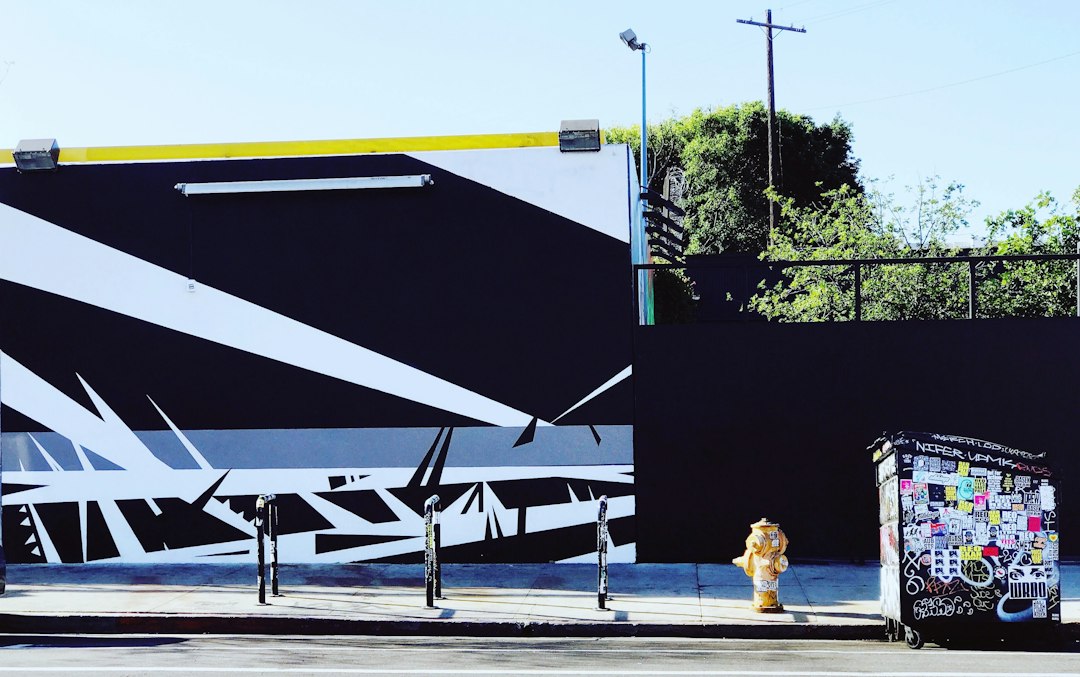
The first time I saw the dumpster arrive, it felt like the crash of a small, metallic tide. It ate the space in my driveway from one side to the other, a steel mouth full of old drywall, sun-faded lumber, and a refrigerator that had seen better apartments in West Hollywood. A neighbor in Pasadena leaned over the fence and said, ‘You sure you want it in the street?’ The driver clicked his tongue, the engine purred diesel, and for the next week the city, the crew, and I learned to talk in the language of hauling.
Setting the Scene: Why a Dumpster Became Our Story
It began with a kitchen remodel in Culver City and a plan that spiraled into a whole-house refresh. Cabinets came out in Glendale, tiles went up in Santa Monica, and a stubborn concrete slab had to go in Burbank. Each morning brought fresh dust that settled into every groove of our lives. On a narrow Torrance street, the contractor shrugged and said, ‘We can’t keep piling this on your curb every night.’ The simple solution — a roll-off dumpster — felt like an obvious next act, but the plot thickened quickly.
Rising Action: The Neighborhood Negotiations
Getting the dumpster was less a transaction and more a negotiation. I called three companies: one was based in Inglewood, another in Long Beach, and a third that promised ‘same-day service’ from a yard near downtown Los Angeles. The Long Beach dispatcher had a calm voice: ‘Measure your space. Check with your city. Any alley access?’ She recommended a 20-yard for the demo waste from our counters and cabinets. The Inglewood crew asked about permits and weight. The downtown team could bring a 30-yard beast but warned about narrow Venice lanes.
That afternoon I walked the block between Beverly Hills and West Hollywood, feeling the asphalt underfoot and picturing the steel box in front of the mid-century house. Mrs. Alvarez from two doors down told me about HOA rules in her building: ‘No dumpsters without a notice,’ she said, waving a hand like a conductor calling time. A courier from the city planning office later confirmed that curb placement sometimes needs a permit. Suddenly the dumpster wasn’t just about clearing junk — it was about choreography, bureaucracy, and respect for the neighborhood hum.
Key Insight: Choosing the Right Dumpster and Provider
At a provider’s yard in downtown LA, the supervisor walked me through sizes like a sommelier recommending vintages. He explained the common capacities: 10, 15, 20, and 30 cubic yards, each suited to different projects. ‘If you’re doing a kitchen and some demo, a 15 or 20-yard usually fits,’ he said, tapping a clipboard. He also spelled out weight limits, tipping fees, and the per-ton surcharges that can balloon a bill if you’re hauling brick or concrete.
‘Ask about hidden fees,’ the supervisor added. ‘Same-day drops, extended rental days, and over-weight charges—those will sneak up on you.’ I learned to get it in writing: drop-off time, pick-up window, daily rental cost, and any landfill or transfer station fees. He recommended asking about recycling programs and donation pick-up options, especially for appliances and salvageable lumber. In LA, being green wasn’t just ethical; it was economical. Companies that partnered with transfer stations or donation centers could save you money and the planet at once.
Scene: The Day the Dumpster Came
Morning smelled of espresso and sawdust. The truck arrived with a low rumble, like a distant train. Two men in orange vests hopped down, their gloves thick with work dust. ‘Morning,’ the driver said. ‘Where do you want it?’ We had decided on the driveway in Inglewood, partly to avoid City of Los Angeles permit hassles for curb placement, and partly to keep the sidewalk clear for pedestrians. He backed in with a practiced patience, the hydraulic arms hissing and the container sliding off the truck like a drawer.
The sound of the metal settling resonated through the house. It was louder than I expected, a sound that would, that week, come to mean progress as much as disruption. The dumpster smelled faintly of oil and old paint, and a few moths fluttered out as the lid was opened. The crew set cones and a sign, an unofficial flag that said, for a while, this house would be a hub of controlled chaos.
Key Insight: Placement, Permits, and Practicalities
Placement matters. I learned that driveways are ideal if they can bear the container’s weight and if there’s room for the truck to maneuver. Street placement requires a permit in many cities — Los Angeles, Santa Monica, Beverly Hills, and Culver City included — and sometimes a temporary no-parking placard to ensure the truck can unload. Narrow Venice lanes and older Pasadena streets with historic sidewalks often need special considerations. Alley drops are common in parts of Long Beach and Glendale, but the alley must be wide enough and the ground stable.
Other practicalities came into clear view: the dumpster must not block hydrants, mailboxes, or handicapped ramps. Some neighborhoods enforce strict hour windows for delivery and pickup to limit noise — in Burbank, for instance, early morning drops might clash with quiet hour ordinances. To avoid fines, I double-checked with the local city website and called the dispatch line. It added a layer of admin to the project, but it also kept tempers cool when the crew needed to work at odd hours.
Rising Action: The Unexpected Weight
Midweek the contractor called, voice tight. ‘We hit concrete under the patio. The jaw dropped’? He laughed, darkly. It meant the dumpster’s load was suddenly heavier. When the pickup day came, the crew weighed the container at the transfer station. There was a surcharge; concrete is heavy. ‘That’s why we warn about material types,’ the driver said, shrugging. The surcharge stung, but it also came with a lesson: know your debris. Wood, drywall, and most household trash are light. Masonry and soil are weighty and costly.
We sorted where we could. Recyclables went to a local center in Glendale, an antique sink that once belonged in a Venice bungalow got a second home through a Habitat for Humanity ReStore pickup in Long Beach, and unused paint cans were taken to a household hazardous waste drop-off in Los Angeles County. A neighbor, Marco, drove over from Inglewood with a truck bed and a grin. ‘You’d be surprised what people will take,’ he said, loading old cabinets destined for salvage into his pickup. It felt like circle of life: stuff passing hands and keeping resources in use.
Key Insight: What You Can’t Dumpster
Not everything belongs in a roll-off. Hazardous materials — oil, batteries, certain paints, pesticides, and asbestos — must be handled differently. Appliances sometimes require special handling due to refrigerants. Electronic waste often has separate rules. When in doubt, ask your provider. Reputable companies will list prohibited items and often suggest disposal alternatives. In Los Angeles, county and city resources can help locate proper drop-off points. I saved money and avoided a potential fine by sorting ahead and bundling items appropriately.
Resolution: The Pickup and the Quiet Left Behind
On pickup day, there was a different kind of tension. Would the truck get in? Would the weight hold? The driver arrived at dusk, golden light slanting across the container like a seal of approval. He tightened straps, fed cables, and the hydraulic bows lifted the dumpster with a groan that felt almost human. I watched as it tilted, and with one last squeal of metal it lifted off the driveway and onto the truck bed. It was gone as quickly as it had come, leaving behind a strip of flattened gravel and the faint smell of dust.
Neighbors passed by, noting the absence. Mrs. Alvarez waved, her smile a small benediction. Marco leaned on his truck and said, ‘Feels different, doesn’t it?’ It did. The silence was not empty — it was the sound of finished work, the space now ready for the new counters, the fresh paint, the laughter that would come back to the kitchen island.
What to Remember: Practical Takeaways from a Los Angeles Job
There are a few essentials to hold onto if you ever find yourself planning a dumpster for a project in Greater Los Angeles. First, measure and choose the right size. Second, ask about permits and local rules — cities from Santa Monica to Inglewood have their own nuances. Third, sort as much as you can: recycle, donate, and separate heavy materials. Fourth, get everything in writing: pickup windows, fee structures, and contingency policies. Finally, hire a reputable company with transparent practices; a good crew will protect your driveway, respect your neighbors, and steer you away from costly surprises.
Final Image: Dust Settling, Sun Sinking
Weeks later, as the last tiles were laid and the new faucet turned on with a satisfying hiss, I stood on the porch and watched twilight over the LA skyline. Palm trees drew silhouettes against a melting sky. Somewhere in the distance a truck’s tail-lights traced the freeway like an artery. The driveway looked the way it had when I’d first moved in: clear and waiting. For the first time in a month, the sounds of construction were only memory — the metallic bite of a dumpster, the click of a permit scanner, the laughter when an old fridge found a new life in a neighbor’s garage.
What stayed with me wasn’t the paperwork or the surcharge or even the precise size of the dumpster we used. It was the way the neighborhood bent to accommodate change — rules negotiated, hands lent, a community helping to make space for the new. The dumpster had come like a tide and gone, leaving the shore rearranged and the house ready to fill with new stories.