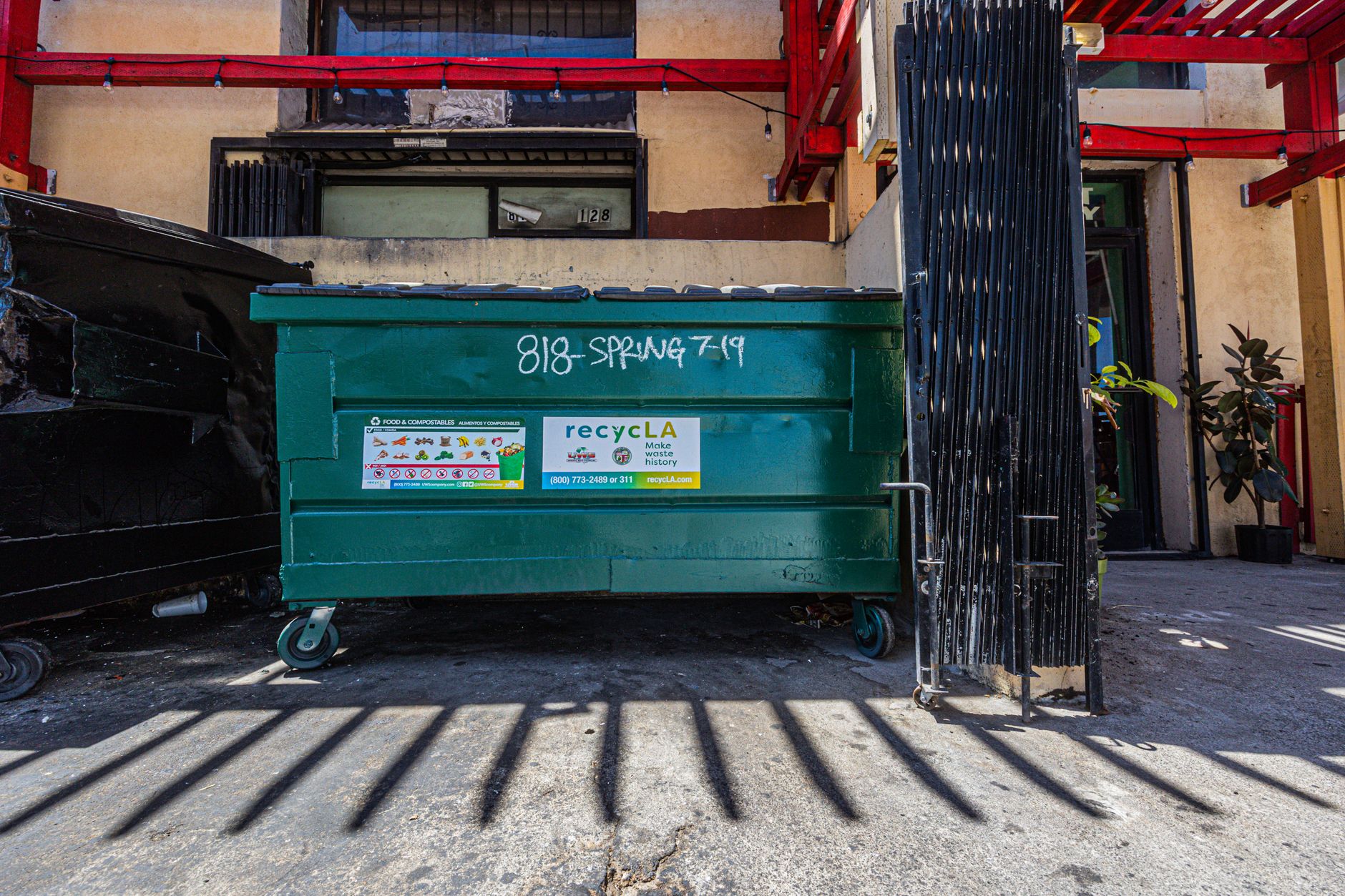
The first time I watched a roll-off dumpster arrive on my block in Echo Park, it felt like a comet touching down — loud, metallic, and impossibly bright against the late-afternoon sun. Neighbors came out of porches and apartments, curious eyes squinting. The truck backed slowly, chains rattling, the driver muttering into a headset. That iron box that looked like a compacted ocean of junk would, in the next 72 hours, change the rhythm of the street.
Setup: A Project, a Deadline, and a Neighborhood
My name is Elena, and I manage properties across the Greater Los Angeles Area — from a bungalow in Burbank to a Victorian in Pasadena, and a stubborn, sun-drenched duplex in Long Beach. The summer renovation on the Echo Park duplex should have been a simple kitchen and bathroom update, but a week into demo we discovered old wiring, decades of unlabelled paint cans, and a precarious stack of warped plywood in the backyard. The scope ballooned. The timeline didn’t.
‘We need a dumpster now,’ I told Ramiro, my contractor, as the smell of sawdust and stale varnish mixed with the city heat. He wiped his hands, looking over the alley toward Glendale and the half-empty coffee cups on neighbors’ stoops. ‘Call two companies. Get a permit if it blocks the street. And tell the neighbors.’
That sentence — get a permit — is a small one, but in LA it is packed with meaning. Every city has its own cadence. In Santa Monica, curbside placement and pick-up schedules can be strict to protect the beachfront image. In Downtown LA and Hollywood, traffic and filming permits can complicate delivery. In Culver City, some neighborhoods require additional paperwork. Learning the rhythm of each community becomes part of the job.
Rising Action: Logistics, Tension, and the Scent of Old Wood
Two companies arrived for quotes. One was a friendly national chain: efficient-sounding, with online booking and a clear list of dumpster sizes. The other was a local crew from Inglewood with sun-faded trucks and a driver who smelled like motor oil and coffee. He introduced himself as Luis and said, ‘I know every alley from Torrance to North Hollywood. I’ll put it where it won’t block Mrs. Alvarez’s car.’ That mattered. Sometimes the human knowledge of a neighborhood matters more than the cheapest price.
We measured. 10-, 15-, and 20-yard bins can handle typical home renovations; 30- and 40-yard containers are for large construction or commercial demolition. For our Echo Park demo, Ramiro recommended a 20-yard roll-off. It would fit in the alley without crowding the parking and hold the plaster, cabinetry, and old tile that would come down in waves.
Then the permit. LADOT requires a temporary blockage permit if the dumpster sits on the street, and many smaller cities have similar rules. I filled out forms, paid fees, and called the number on the permit to inform nearby businesses. I also checked whether the homeowner’s association in the nearby Pasadena neighborhood had any restrictions — they did. One misstep and you could face fines or, worse, a delayed pick-up that leaves a cluttered box blocking the alley for days.
Neighbors chatted across fences. Mrs. Alvarez from the corner apartment brought over iced tea and said, ‘You know, when my son renovated his place in Burbank, they left nails out and a mattress on the sidewalk. Someone called it in.’ I assured her we would tarp it at night and wheel the heavier stuff toward the middle of the bin. There’s an anxiety with dumpsters — they represent temporary chaos — and our job was to manage that unease while the work went on.
Key Insights: How Dumpster Removal Works Around Los Angeles
By the time the debris started accumulating, we understood the basics that every homeowner and contractor should know:
– Dumpster sizes: A 10-15 yard dumpster suits small cleanouts and minor remodels. A 20-30 yard container handles full-room demos and medium renovation debris. For commercial sites or whole-house gut jobs, 30-40 yard roll-offs are common. Measure your intake — bulky items like old sofas or complicated demolition waste affect space quickly.
– Permits and placement: In Los Angeles and surrounding cities like Glendale, Inglewood, and Santa Monica, a curbside dumpster often requires a permit when it sits on public property. Permits can take a day or two; some fast companies will pull them for you. For alleys or private driveways, you may avoid certain permits, but check local rules — Culver City and Pasadena can be particular about historic zones.
– Weight and tipping fees: Dumpsters come with a weight allowance. Typical rentals include a ton or two; overweight fees apply per additional ton and are assessed at the transfer station. In LA County, material may go to transfer stations or landfills like Sunshine Canyon, depending on load content. Recyclable materials can often be diverted, lowering fees.
– What can and cannot go in: Household junk, construction debris, and non-hazardous materials are usually fine. Hazardous waste — paint, solvents, asbestos, fluorescent bulbs, and certain electronics — must be disposed of separately. Many cities host household hazardous waste collection days, and contractors often coordinate separate disposal for those items.
– Recycling and C&D rules: California encourages construction and demolition recycling. Some municipalities require a minimum diversion rate for materials. That means separating metal, concrete, and clean wood can save money and comply with local regulations.
– Cost factors: Location, size, rental duration, and weight influence price. A small 10-yard bin for a week on the Westside might be a different price than the same bin in San Fernando Valley. Same-day delivery is available but often costs more. Flat-rate quotes can be convenient but read the fine print — they may cap weight or charge extra for prohibited items.
Ramiro and I negotiated these factors like seasoned navigators. We opted for the local crew with neighborhood experience and a mid-sized 20-yard bin, with plans to sort metals and tile for recycling to keep costs down. The driver, Luis, marched to the alley at dawn and set the container in place with practiced care, laying down plywood to protect the concrete. The smell of oil and the hiss of pneumatic tools became the soundtrack of demolition.
Rising to a Climax: The Unexpected Discovery
On the second day, behind a wall cavity, we found a chest of old newspapers wrapped in waxed cloth and nails — artifacts from the 1920s. Nearby, a tightly sealed can of oil-based primer that had been forgotten for decades emitted a chemical tang. For a heartbeat the demo stopped. The chest was a reminder that every building is a palimpsest, its past lives folded into plaster and beams.
‘We need to handle that primer carefully,’ Luis said, voice low. ‘That’s hazardous. We can’t just toss it.’ He called a hazmat disposal service he’d worked with in Torrance. The can was placed in a separate container, labeled, and scheduled for pickup. The rest of the debris went into our roll-off, but the discovery shifted the pace: we were now not only clearing space, but stewarding history and safety.
The dumpster, once merely a receptacle, had become a kind of temporary archive — a place where things between demolition and disposal met. It smelled of wet wood and mud after a rare summer shower that week, tarps sagging with droplets. Passersby paused. A child peered through a chain link and whispered, ‘Is that treasure?’
Resolution: The Pickup and the Quiet After
When the roll-off was full, Luis called the truck. The driver backed into the alley like a measured dancer, chains rattling, the hydraulic lift humming. There was the usual pause as the bin was secured and hauled back onto the truck. For a moment, a hush fell across the block as the weight lifted and the visual clutter that had reframed the street vanished.
We waited for the invoice from the transfer station. By recycling metal and concrete we shaved a noticeable fraction off the total. The hazardous primer had its separate fee, but it was the right call — and Mrs. Alvarez nodded in approval when the last trailer left and the alley looked like it had all along: a place of cars, bicycles, and sun-blanched trash cans.
Weeks later, the kitchen was reborn with white subway tile and a window that drank in the distant hills of Hollywood. The duplex smelled of lemon cleaner instead of dust. The dumpster had done its work and become a memory: a moment of controlled disruption that allowed renewal. Neighbors returned to their routines, kids kicked soccer balls in the alley, and the sound of afternoon traffic resumed its familiar rumble.
Takeaway: What to Remember When You Need a Dumpster in Greater Los Angeles
If you take anything from our small urban drama, let it be practical and human: dumpsters are not just metal boxes — they are logistical tools that require respect for rules, neighborhoods, and safety. A few actionable reminders:
– Plan the size you need with a contractor or the rental company; overestimating by one size is better than last-minute upgrades. Consider 10-15 yards for small projects, 20-30 yards for medium remodels, and 30-40 yards for large demolitions.
– Check permits early. Whether you’re in West LA, Downtown, Pasadena, or Torrance, municipal rules differ. Some cities allow placement in alleys without permits, others require LADOT or city-specific paperwork.
– Separate hazardous materials. Paints, solvents, asbestos, and certain electronics need separate disposal channels. Your rental company or local municipal programs can guide you.
– Recycle where possible. Diverting metal, concrete, and clean wood cuts costs and aligns with LA County’s sustainability goals.
– Communicate with neighbors. Tell them the schedule, tarp the bin at night, and keep walkways clear. A little consideration prevents complaints and closes the human tension around temporary disruption.
When we finished, I stood on the steps of the refreshed duplex and watched a sunset melt into the Hollywood Hills. The alley was ordinary again, but the work left its trace in gleaming tile and a new, steady hum from the fridge. I took a breath and could almost still taste the dust in the air — now replaced by citrus and paint. The dumpster had been a brief visitor that made that change possible, a black box that carried away the old to make way for the new.
On a quiet evening, the city felt like a long, low exhale: Santa Monica lights flickering west, the distant glimmer of Long Beach harbor to the south, and the hum of freeways stitching neighborhoods together. Somewhere between Burbank and Inglewood, dumpsters were being placed and removed, decisions were being made about recycling and disposal, and people were doing the work of keeping Los Angeles in motion. It is messy, it is necessary, and when done well it opens space — for light, for life, and for the next chapter.
As I locked the duplex door and looked back at the alley where a palm frond cast a thin shadow across the pavement, I imagined the roll-off lifting away one last time, its steel sides catching a sliver of sunset. The city kept turning — and behind each successful renovation, there was usually a quiet, efficient team that knew how and where to put a dumpster so that the work could happen, the neighbors could sleep, and the street could find its rhythm once more.