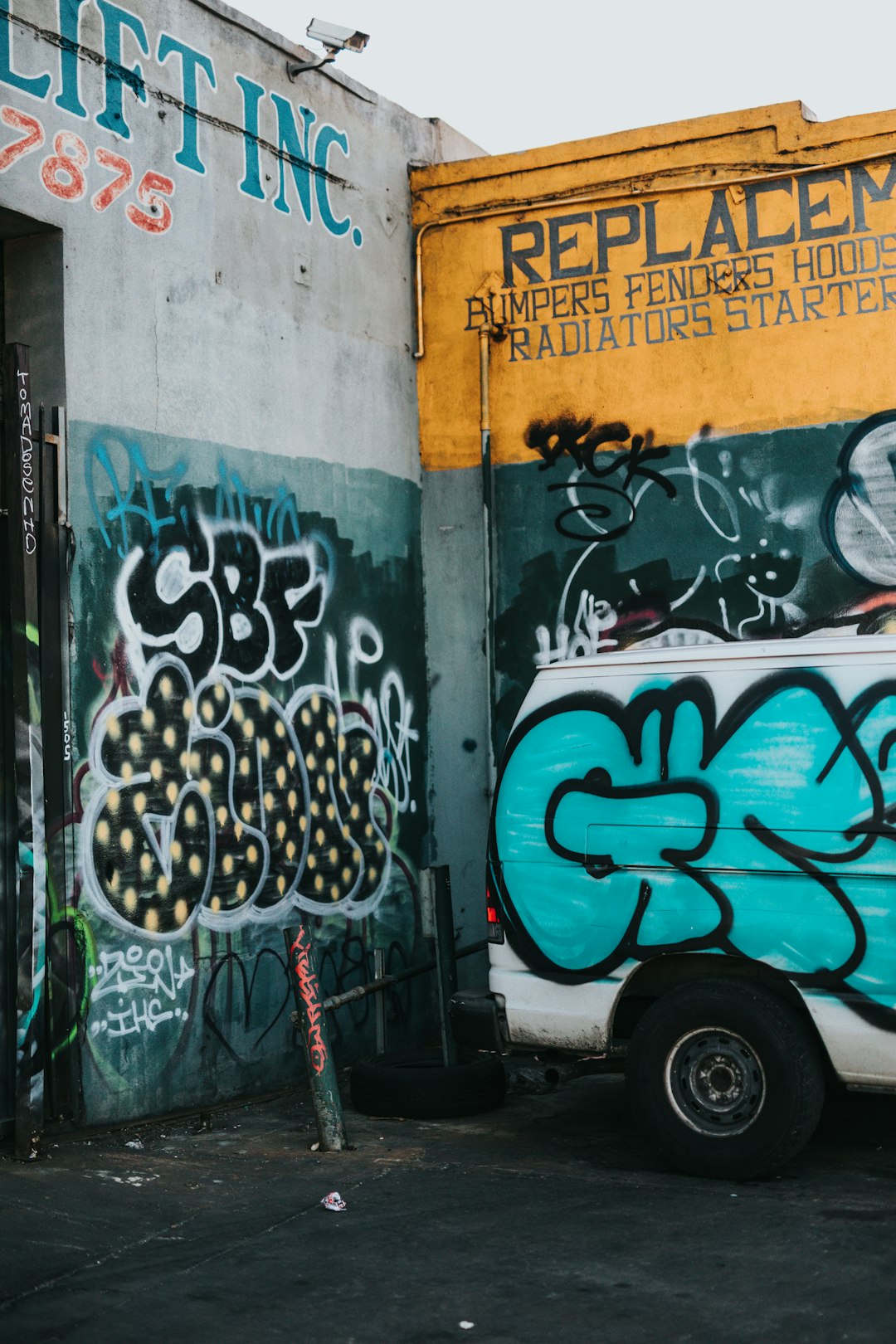
They told Maya that a parking ticket could ruin her week. No one warned her that a dumpster, the hulking metal kind, could make her whole renovation feel like a small earthquake rolling down her quiet Silver Lake block.
Setup: Morning Light and Old Wood
The bungalow smelled of lemon oil and sawdust. Morning light poured through the windows of Maya’s house in Echo Park, illuminating the stripped hardwood and the lean of a century-old staircase. She ran her hand over a beam and imagined the new kitchen taking shape—open shelves, subway tile, a narrow breakfast nook that would look out toward the jacaranda tree. The contractor, a pragmatic woman named Rosa, had already ordered a roll-off to haul away drywall, old cabinets, and the heavy, waterlogged tub that had been in place since 1963.
‘We’ll bring a 20-yard,’ Rosa said, tapping a finger against her phone as if that would summon the truck. ‘It should fit everything from the demo day. But we need to talk placement and permits.’ The words landed like pebbles; Maya nodded but did not yet feel the weight of them.
Outside, the neighborhood was an orchestra of city sounds: a distant bus hiss in the Mission Hills, a dog barking near Hyperion Avenue, the clank of a garbage truck making its rounds. Across the street, Mr. Chen from Pasadena came out to water his succulents. He pointed at the driveway and squinted. ‘You sure it will fit there? Lots of steep driveways around here.’
Rising Action: When a Dumpster Finds the Wrong Street
On the day the dumpster arrived, the sun had a dry, luminous quality unique to Los Angeles. Luis, the driver who smelled faintly of engine oil and coffee, eased the truck into the block. He hopped down and took in the scene with the watchful eyes of a man who has learned the city’s rules the hard way.
‘Driveway’s a bit steep,’ he said, scanning. ‘If I set it on the street we’ll need a permit. If we put it on the driveway, those boards under it—no, it’ll scuff the stonework unless we lay down plates.’ His voice carried the practical certainty of someone who’d dropped dumpsters behind Burbank studios and up alleys in downtown LA.
Maya felt the first prick of worry. The permit application, she discovered, had been started but not completed. ‘I can call it in,’ she said. ‘Will it be a problem if the truck waits?’ Rosa and Luis exchanged a look the way people do before bad weather. There would be a problem: a neighbor had already texted a photo of the truck taking up two parking spaces, and a familiar face from the block—Mrs. Alvarez from Glendale—was heading down the sidewalk with a frowning look that suggested fines, or worse, a community meeting.
When the inspector arrived an hour later—Renee from the city, clipboard in hand—her first question was simple. ‘Do you have a street obstruction permit, or is this going on private property?’ The permit, Maya learned, would determine police placement of cones, whether the city would tow a vehicle parked in the blocked space, and the daily fees that could quickly add up.
Key Insights Woven into the Story
Between the tension and the small kindnesses—the neighbor lending a plywood board, Rosa calling a friendly permit expeditor—Maya learned more than she expected about dumpster removal in Greater Los Angeles.
‘There are sizes for different jobs,’ Rosa said as they picked through a roster of rental options. ‘Ten to forty yards, usually. Ten’s good for a garage cleanout; twenty’s the sweet spot for most home remodels. Thirty or forty if you’re gutting a whole house or doing a major demo.’ She pointed at a glossy chart; the numbers felt like a new language.
‘Weight matters, too,’ Luis added. He tapped a finger against the side of the dumpster like a metronome. ‘Concrete and tile eat through your tonnage limit. Most companies include a weight allowance, but go over it and you’re paying per extra pound.’
And there were rules—some written in dense municipal code and others learned by experience. Many cities across the Greater Los Angeles area require a street obstruction or sidewalk permit if the dumpster sits on public property. The City of Los Angeles often asks for obstructions to be marked with reflective cones and signs; Santa Monica enforces strict aesthetic and placement restrictions in beach-adjacent neighborhoods; Pasadena and Glendale have their own permit timelines and allowable hours for loading and unloading. Fees vary. Timeframes, too: most companies offer rentals from three days to two weeks, with options to extend.
Maya listened, absorbing the list like a student taking notes. E-waste—old flat-screen TVs and computer monitors—cannot go into the roll-off. Neither can hazardous materials like paint cans, asbestos, pesticides, or certain adhesives; these require special handling and often a trip to a certified hazardous waste facility. ‘We try to divert as much as possible,’ Rosa said. ‘Tile goes to specific recycling centers. Wood, if it’s clean, can be reused. The greener options might cost a bit more upfront but cut disposal worries later.’ Luis nodded, recalling instances in Long Beach where loads were rejected for mixed materials or contamination.
Choices, Complications, and Community
As the crew started the heavy lifting, two things became clear. First, dumpsters are not just metal boxes; they’re social instruments that change how a block functions for days. Second, the difference between a smooth removal and a neighborly row of complaints often comes down to communication.
Mrs. Alvarez approached with a cooling tea and a smile that softened her earlier frown. ‘Is it okay if my car stays? I have to go to the Market in Burbank,’ she said. Maya walked the line of potential inconveniences with her neighbor, promising updates and the exact day the dumpster would be gone. In return, Mrs. Alvarez warned her about the local graffiti crew that liked to tag everything south of Sunset at night. ‘Tape down the permit where the ticket writer can see it,’ she advised, practical as ever.
That evening, Maya found herself on the sidewalk, watching the sun tilt behind palm silhouettes as orange and magenta painted the rooftops. The dumpster sat like an island of work and possibility. It smelled faintly of resin and concrete dust. Workers moved with choreography: one sawed, another hauled, Rosa coordinated like a conductor. Luis jabbed at a palette of nails and loose plaster and, between tasks, taught Maya the little hacks—how to layer debris to maximize space, where to stack lumber to avoid crushing drywall, what to keep out entirely.
Resolution: Permits, Patience, and a Cleaner Block
Three days in, the permit came through. An app on Maya’s phone pinged, a small, almost comical relief after the prior day’s scramble. Renee, the inspector, returned, nodded at the visible cones and the posted permit, and allowed the crew to continue. The workers moved with renewed speed, motivated not just by schedule but by an understanding that a city’s rules are a kind of social contract: respect the space, respect the neighbors, and the infrastructure hums along.
The final load was the heaviest. Maya stood at the curb with Rosa and Luis as the truck backed up, the engine rumbling like distant thunder. ‘You did good,’ Luis said, wiping his hands on a rag. ‘You diverted a lot from landfill.’ He had loaded the roll-off in tiers: clean wood and metal separated from mixed debris, tile boxed out for specific recycling, a stack of cabinets saved for donation pickup in Torrance. The crew celebrated small victories—an old sink destined for salvage, a box of unbroken subway tiles that would live again in another kitchen.
When the truck finally left, the block breathed out. Children returned to their game of tag on the sidewalk. Mr. Chen finished watering his succulents. The sun dropped behind a line of eucalyptus trees and set the neighborhood ablaze in violet fire.
Takeaway: What to Remember and Do
From Maya’s rushed mornings to the methodical rhythm of the removal crew, a few truths about dumpster removal in the Greater Los Angeles area crystallized.
‘Plan early,’ Rosa had said, and it turned out she was right. Booking a dumpster with the right size and local knowledge, arranging permits, and sorting materials in advance save money and headaches. Understand your weight limits and what counts as restricted waste—electronics, paint, asbestos, and certain liquids don’t belong. Protect your driveway if the dumpster will sit on private property; use steel plates or plywood to distribute the weight.
Communicate. Let neighbors know the dates, post permits visibly if required, and place cones or reflective markers when the dumpster occupies public space. Work with locally licensed companies familiar with city-specific rules—Los Angeles, Long Beach, Santa Monica, Pasadena, Burbank, and Glendale all have nuanced requirements and different processing centers and fees. Ask about recycling and diversion options; many haulers now offer green disposal paths and separate recycling streams.
And finally, when things feel overwhelming, remember the small kindnesses and practicalities that untangle the knot: a neighbor’s plywood board, a driver’s quick tip, an inspector’s patient explanation. Those human pieces make a city function as much as any permit or fee.
Weeks later, when Maya stood in her new kitchen and watched the first cup of coffee steam, the house felt both lighter and more present. The dumpster was a memory now—a large, noisy punctuation in the middle of an otherwise ordinary month. But its absence mattered too: no more cones, no more posted permits fluttering like tiny flags. The block had returned to its ordinary music, but Maya carried with her the lesson that messy work, when done thoughtfully, leaves something better than before.
As dusk settled, she opened the front door and inhaled the cool canyon breeze drifting down from Griffith Park. The sun threw a last, gold-lined glare across the street. For a moment, everything looked like the beginning of a new story.