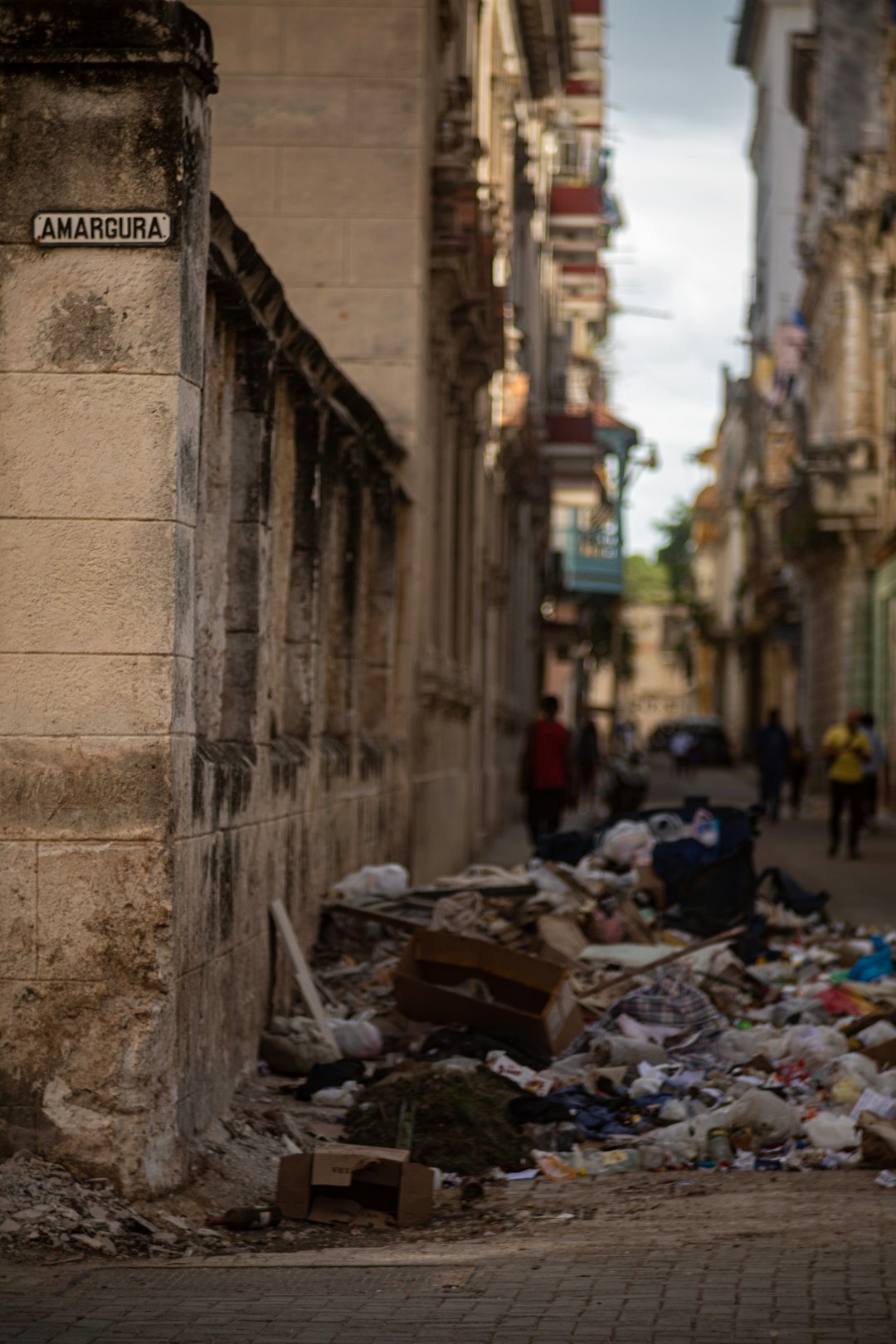
The first thing I noticed was the sound — a low, rattling clatter like distant rain against metal — and the smell, a mix of diesel, chalky sawdust, and the ocean that always seems to be sneaking inland in Los Angeles. It had been three weeks since the renovation crew left, and the narrow alley behind our bungalow in Echo Park had become a mosaic of torn drywall, broken tile, and a leaning palm frond someone had cut down in a fit of optimism. I thought, not for the first time that summer, about calling a dumpster.
Setup: A Neighborhood That Never Stops
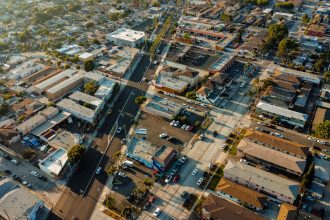
Greater Los Angeles is a patchwork of personalities: the salty breeze of Santa Monica, the neon-glow nights of Hollywood, the wide port cranes in Long Beach, the stately boulevards of Pasadena, and the tight, pedestrian alleys of Venice and West Hollywood. Every neighborhood carries its own rhythm, and every rhythm has a different relationship with waste. In Burbank, a film crew’s set can leave a mountain of painted plywood; in Torrance, a homeowner’s tree trimming can clog a driveway; in Culver City, a tech startup’s office overhaul can empty months of furniture into a single strip of asphalt.
On that morning in Echo Park I met Rosa, who ran the landscaping crew, and Malik, the driver sent by the dumpster company. ‘We’ve done curbside pickups in Silver Lake and West Hollywood,’ Rosa said, wiping her hands on her jeans. ‘But alleys like this? It’s an art.’ Malik smiled and set his cap further back, revealing a map of LA dates tattooed along his forearm. ‘You learn the shortcuts,’ he said. ‘And which cities make you get a permit.’
Rising Action: A Tangle of Permits, Traffic, and Time
What started as a simple call — ‘We need a 15-yard roll-off, please’ — became a lesson in local differences. An online quote promised a drop-off within a day, but then came the questions: Will it sit on the street? Will it be placed in the alley? Is there a homeowner’s association? Is the truck allowed to block a lane on Sunset Boulevard? Each question felt like a tiny decision point on a treasure map that led to multiple municipal offices.
‘If you want it on the street in Los Angeles, you probably need a street permit,’ Malik explained as he walked the alley with me, palms leaving little prints on the dusty fence. ‘Santa Monica’s stricter — they sometimes require a specific permit to keep it longer than 48 hours. Long Beach has different rules for commercial waste. And for Malibu, well, ocean-adjacent properties can mean an extra environmental review for hazardous materials.’ He tapped his clipboard. ‘But we can do a same-day haul if it’s just a driveway pick-up and there’s no permit needed.’
The ticking clock was real. The renovation crew would return the following week to install trim, and the last thing anyone wanted was a clogged alley or a fined homeowner. As if to underscore the urgency, a city truck rolled by, brakes squealing, a radio blaring a Spanish-language pop song. LA’s traffic isn’t just a nuisance; it’s a character in every local story — and it dictates the logistics of heavy trucks more often than schedule planners would like to admit.
Key Insights: What Dumpster Removal Looks Like in Greater Los Angeles
Between the clink of metal and the shuffle of paperwork, I learned concrete, practical lessons that anyone in LA should know before renting a dumpster:
- Sizes and placement: Dumpsters commonly range from 10 to 40 cubic yards. In Venice or parts of Hollywood where streets are narrow, smaller containers or curbside bin pickups are often the only viable options. In Long Beach or Torrance, larger roll-offs fit the bill for demolition and construction debris.
- Permits and parking: Los Angeles City Department of Public Works issues permits when a dumpster will occupy public right-of-way. Santa Monica, Pasadena, and Glendale have their own permit processes and fees. Plan ahead; some permits take days to process.
- What you can and cannot toss: Common household waste, construction debris, and yard trimmings are usually okay. Hazardous materials — paint, solvents, pesticides, batteries, and asbestos — require special handling and licensed haulers. California’s regulations, including state-level organic waste rules, mean green waste often needs to be separated for composting.
- Recycling and diversion: Many dumpster services in LA work with material recovery facilities. Items like metal, cardboard, wood, and concrete are often separated to reduce landfill use and to comply with local recycling mandates.
- Pricing factors: Costs depend on dumpster size, rental duration, weight limits, disposal/tipping fees, the distance to transfer stations, and whether a permit is required. Narrow alleys or difficult placements can add labor charges.
- Scheduling tips: In LA, mornings are gold. Early pickups skirt traffic, reduce the likelihood of a blocked street infraction, and let crews get back to work. Likewise, scheduling during weekdays often avoids weekend permit restrictions in certain cities.
Rosa nodded at each point like she’d been through the textbook of urban debris. ‘You think it’s just tossing stuff,’ she said, ‘but in LA, trash has a route and a story.’ She picked up a fragment of molding and held it to the light — the white paint had flecks of turquoise, the mark of a house that once tried to be bold.
Scene: The Drop-Off
By noon, Malik threaded the roll-off truck through the narrow corridor between a laundromat and a muraled wall advertising tamales. The driver backed slowly, the diesel engine sighing like a beast settling down. Men on the crew shouted directions, their voices ricocheting between brick and stucco. The dumpster dropped with a metallic clunk that vibrated up through the soles of my shoes and the wrought-iron fence.
The smell changed: the diesel receded, and the alley took on the warm tang of sawdust and concrete dust — the honest odors of things being remade. Rosa handed me a black glove. ‘Help us stack the drywall,’ she said, and we began to sort: doorknobs, scraps of baseboard, a photo frame still intact despite the chaos of construction.
‘We separate metals,’ Malik said between tightening a strap. ‘That goes to a metal recycler. The wood — if it’s untreated — can go to a chipper and become mulch. The problem is when people mix paints or chemicals with their junk. That’s where fines come in, and more importantly, where the environment pays the price.’ He pointed toward the ocean-silver skyline where Santa Monica’s horizon shimmered like a promise.
Rising Toward Resolution: A Near Miss and a Lesson
Just as we were finishing, a neighbor emerged carrying a sagging mattress. ‘My bed broke and I don’t know what to do with this,’ she said, apologetic and a little embarrassed. In the moment, the mattress looked like a small thing, but in urban waste streams, mattresses are a problem — bulky, often contaminated, and sometimes an illegal dumping temptation.
‘We can take it,’ Malik offered, ‘but mattresses have specific disposal rules in some cities. We’ll check if there’s a mattress recycling center nearby; Pasadena and Long Beach have options. If not, there might be an extra fee.’ The neighbor brightened like someone given a compass and directions to a hidden trailhead. ‘Thank you,’ she said simply. ‘I didn’t know where else to turn.’ That small, human relief seemed emblematic of the whole process: dumpster removal isn’t just logistics; it’s a community service that keeps neighborhoods functioning.
Resolution: The Alley, Restored
By late afternoon the dumpster was half full, but the alley felt lighter. The pile had been contained, the dangerous bits segregated, and a plan had been made for the rest to go to recycling streams rather than a landfill. Malik filled out the paperwork, stamped permits, and explained the drop-off timetable. Rosa double-checked the area, sweeping up nails and paper, her broom making a steady whisper along the pavement.
‘It’s not glamorous,’ she said, leaning on the broom, ‘but good alley work saves someone else the headache. And it keeps the city nice.’ There was pride in her voice, a worker’s satisfaction that comes from a job well done under the sun. The breeze off the hills carried in the faint scent of tacos from a nearby stand — an ordinary LA reward for an ordinary day made better.
Takeaway: What to Remember and Do
If you live, renovate, or run a business in Greater Los Angeles, here are practical actions to take before you call for a dumpster:
- Measure the space and know the size you need; smaller dumpsters work better in Venice and West Hollywood, larger roll-offs serve commercial jobs in Long Beach and Torrance.
- Check local rules: contact city public works or look up the permit requirements for LA, Santa Monica, Pasadena, Glendale, and other municipalities — it saves surprise fees.
- Separate hazardous materials and arrange for licensed hazardous waste disposal when needed.
- Ask about recycling and diversion: choose companies that separate metal, concrete, and green waste to reduce landfill impact and comply with state regulations.
- Schedule early and confirm alley access to avoid traffic delays or blocked-street fines; have photos of the site for accurate quotes.
As the sun slid toward the ocean, the alley in Echo Park looked more like a place where life could take shape again: a child chased a ball past the mural; a neighbor watered a small row of succulents; someone leaned over a fence and asked about the dumpster company’s number. Laurie, who lived two doors down, tucked a stray photo into an envelope and put it back in a drawer; it felt like reclaiming looted space from a home in transition.
The truck’s taillights glowed like a pair of tired eyes as Malik pulled away, leaving behind a cleared path and a lesson in municipal choreography. Dumpster removal in LA is more than dropping metal on a street; it is a choreography of permits, timing, environmental care, and the small courtesies that let neighborhoods continue their messy, beautiful work of being lived in.
When you next face a heap of broken dreams from a remodel or a stubborn pile of yard waste after a storm in Malibu, Glendale, or Burbank, remember the alley’s hush after the dumpster left: the relief, the cleaner air, the possibility of a repaired porch or a newly planted tree. Call ahead, plan for permits, separate the problem materials, and pick a company that will work with the city’s pulse. Then watch — like I did — as the rattling clatter fades, the smell changes, and life walks back through the cleared space under the warm California light.