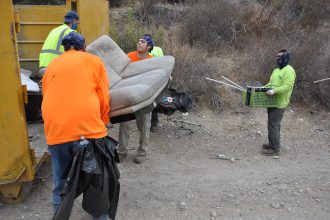
On a hot, breathless morning in June, as the cicadas droned like distant machinery, Marisol watched a hulking steel rectangle rumble down her Silver Lake street. It arrived with a hiss of hydraulics and the faint diesel tang of a city that never quite slows. Neighbors paused on stoops, a dog yanked at a leash, and someone from down the block shouted, ‘Is that for the renovation?’ Marisol breathed in the smell of hot asphalt and eucalyptus and felt, weirdly, a small bubble of relief. The dumpster had come, and with it the promise that chaos would become clean.
Setup: Why a Dumpster Matters in Los Angeles
Marisol had inherited a bungalow near Sunset Junction with bowed floors and a kitchen that belonged in a different decade. She could have hired laborers to make endless trips to the transfer station, stacked sweaty boxes in her Prius and hemmed in the street with junk trucks, but she chose a roll-off dumpster because it offered a kind of organized violence: a single container to hold months of demolition and the detritus of a household reborn. ‘It sounds dramatic,’ she told her mom when she called from Pasadena, ‘but you should see how much lives in these walls.’
Across Greater Los Angeles, from the palms of West Hollywood to the bluffs of Malibu, from the industrial stretches of Inglewood to the ocean breeze in Long Beach and Santa Monica, dumpsters have become part of the urban choreography. They rest on curb lanes in Culver City on weekdays, sit on driveways in Burbank next to vintage Studebakers, and disappear as quickly as they arrive in the hills above Glendale. Hiring the right dumpster is less about brute force than about knowing neighborhoods, permits, timing and what to do with what you throw away.
Rising Action: A Neighborhood Learns the Rules
Marisol called three companies. On the first call a polite voice asked about dimensions and whether she wanted the dumpster on the street or the driveway. ‘You will need a permit if it sits on public property,’ the rep said. ‘That’s city hall stuff — Los Angeles makes you apply, Santa Monica is strict about curb placement, and Malibu will have restrictions if you’re on a narrow road.’ Marisol scribbled the names of cities as if they were currency, each with its own municipal rhythm.
On day two a truck crew from a Torrance-based firm showed up to measure the driveway. Miguel, the foreman, ran his hands across the warped driveway boards. ‘We put down plywood and rubber mats to protect the surface,’ he said. ‘And we always check for overhead lines and tree roots. I once had to call a homeowner in Echo Park back and move a rollout because the branch scraped the trailer.’ He laughed, but Marisol felt every tactile detail: the sound of a chain being clipped, the scrape of metal on wood, the heavy thunk as the dumpster settled. The smell of motor oil mixed with the distant ocean tang coming over from Venice, a reminder of the wide geography of every local job.
Neighbors asked questions. A woman from across the street in Northridge worried about fly tipping; a contractor from Hollywood leaned on the fence and wanted to know whether the company could accept old tiles and nails. The parking enforcement truck made a casual circuit, and Miguel waved a laminated permit application in her direction. The stakes rose: if the dumpster overstayed without the proper permit, fines could be levied; if it was overloaded with concrete, the haul rate would skyrocket.
Key Insights: Practical Guidance Woven into the Story
As Marisol jotted notes, Miguel walked her through what almost felt like a crash course in urban waste management. He spoke in plain language with the cadence of someone who had done this in Torrance, Inglewood, and the small alleys of Chinatown. ‘You pick a size based on the project,’ he said. ‘Ten to fifteen yard dumpsters are great for small cleanouts or garage clutter. The popular 20 yard fits most medium renovations. Thirty or forty cubic yard containers are for heavy demolition and major remodels.’ He mimed the scale with his hands and the neighborhood seemed to shrink to fit the dimensions.
‘Also,’ Miguel continued, ‘know what you can and cannot put in. Household junk, wood, drywall, metal — OK. Hazardous material? Paints, solvents, pesticides, batteries, compressed cylinders — no. Those need special disposal. Electronics often have e-waste rules; don’t just toss an old TV in. Concrete and soil can blow your weight allowance fast. If you’re tearing out a patio, segregate concrete — it’s dense and expensive to haul.’ He pointed at the phone, where Marisol made a checklist: separate green waste for composting, donate furniture to the Habitat for Humanity ReStore or local charities in Culver City or Long Beach, recycle metal, and bag smaller items.
‘Permits vary by city,’ Miguel added. ‘Los Angeles has a permit process for placing a container on public right-of-way. Santa Monica requires permits and sometimes bonds. In Hollywood and West Hollywood you might have time-of-day rules, and in narrow streets like parts of Malibu or Burbank, you need extra coordination for emergency vehicle access. Always measure your placement spot and call your city office if you’re unsure.’ He handed her a business card and a photo of a neatly placed dumpster the company had dropped in Studio City, framed by jacaranda petals.
Price conversations were blunt: rental periods are typically a week, with extensions available. Most companies include delivery, pickup, and disposal within a weight limit; going over adds per-ton fees. Weekend and same-day deliveries can cost more, and holiday schedules in places like Pasadena or Glendale can delay pickups. ‘Book early,’ Miguel said. ‘Contractors in Burbank and Pasadena book slots weeks in advance during the spring and summer.’ That sounded like advice for living in a city that runs on schedules and sunsets.
Resolution: The Work and the Quiet After
For the next three weeks Marisol’s bungalow became a theater of transformation. On a rainy Thursday, a crew from Long Beach hauled out battered cabinets and the smell of old grease. The dumpster filled like an impatient mouth — cabinets, drywall, bricks, green waste from the yard until every square inch seemed to exhale. Sometimes she watched from the kitchen doorway and traded small talk with workers from Torrance and Glendale about traffic on the 405; sometimes she sat on the curb and listened to the city: a garbage truck two blocks over, a leaf blower in a neighbor’s yard, a child calling to a friend in Echo Park.
There were tense moments: a pile of old fluorescent lamps found under the downstairs sink required a specific trip to a hazardous waste facility, and a crate of antique bottles labeled with lead-based residues demanded extra care. Marisol remembered Miguel’s warning and called the company. They dispatched a specialist who explained the proper handling and the extra paperwork. It cost more, but the relief was immediate — no guessing, no illegal dumping at the edge of town in Inglewood or Torrance, no potential fines or environmental harm.
When the final pickup came, the dumpster was heavy with the story of renovation. Miguel signed the ticket, the truck lifted the steel box with a practiced ease, and the street felt both lighter and lonelier. The workers parked their truck, exchanged a few jokes about traffic on Sunset, and left Marisol with quiet floors in a house that seemed larger, possible.
Takeaway: What to Remember and Do
The dumpster in Marisol’s story is more than a container; it is a node where personal aspiration, municipal regulation, and environmental responsibility intersect. If you are planning a cleanup or remodel in the Greater Los Angeles area, remember a few sensory-rooted truths from her experience: measure twice and order once, call the city early to check permits for curb placement in Los Angeles, Santa Monica or Malibu, and ask companies about weight limits and prohibited items. Protect surfaces with plywood and mats, plan for hazardous materials and e-waste separately, and consider donations and recycling to reduce costs and help local nonprofits in Long Beach, Culver City, or Pasadena.
Prices vary by neighborhood and season, so get multiple quotes, ask about hidden fees like overweight charges or extended rental days, and schedule deliveries during off-peak times when possible. If driveway space is tight, verify overhead clearances and nearby parked cars. Finally, treat the dumpster like part of your project team: communicate with your crew about what goes in and what does not, label piles for recycling, and keep a small, watertight bin for hazardous liquids and labeled bags for paint and oils until you can get them to a proper facility.
Marisol stepped into her renovated kitchen the week the jasmine started to bloom and felt the city shift under her feet. The space smelled of new paint and lemon oil; the street outside hummed with a Friday night rhythm heading toward Hollywood, but there was a clean line between before and after. The dumpster had done its blunt work and left a quieter kind of promise: a measured, responsible way to remake a life and a house in a city of many neighborhoods and exacting rules.
When the sun slipped low and gilded the west-facing windows, the last image that stayed with her was small and vivid — an empty curb where the dumpster had rested, a single gust scattering a few eucalyptus leaves across a freshly swept sidewalk, and the far-off silhouette of the Santa Monica Mountains soft against the sky. For all the trucks and permits and logistics, that quiet sweep of sunlight felt like the final clearance: the city had given its permission, the neighborhood had watched, and a home had been made anew.