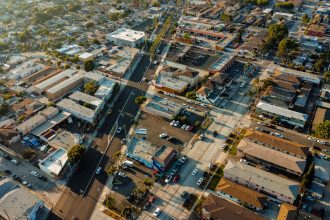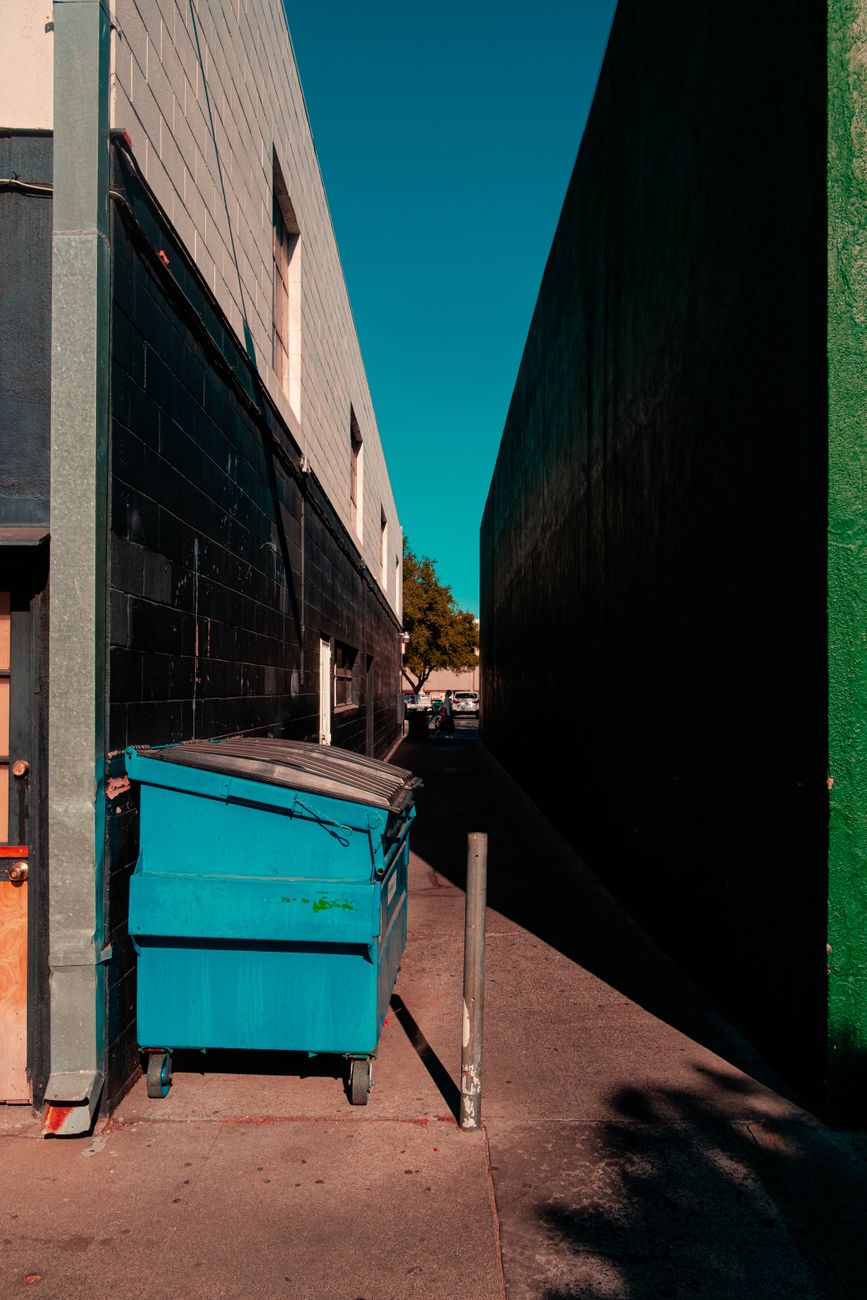
The first time I watched a dumpster arrive at midnight, I smelled diesel and orange traffic cones, and felt for a moment like I was starring in my own small, urban theater. The driver eased up a cul-de-sac in Silver Lake, the headlights haloing eucalyptus and the faint ripple of a distant train. A hulking roll-off container clanged against the asphalt, announcing the beginning of a messy, necessary metamorphosis.
Setup: The Project, the People, and the Place
It started as a Saturday afternoon phone call from Ana, my neighbor in Pasadena, who said, ‘We’re finally gutting the kitchen. I hope the house survives the drama.’ The plan was ambitious: new cabinets, ripped-out tile, a reclaimed-wood island, and a weekend crew that smelled like coffee and sawdust. But as anyone who has renovated in the Greater Los Angeles area will tell you, the timeline is a suggestion and the dust will win if you don’t contain it.
We called a local hauler based in Burbank, a small family operation that knew the city streets better than a GPS. ‘We’ll get you the right size,’ Miguel promised over the phone, his voice carrying the kind of practical calm that settles nerves. That initial call was the first practical step through a thicket of questions: What size dumpster? Where to put it—driveway or street? Permits? What can and cannot go inside?
The house at the end of the cul-de-sac had a driveway wide enough for a compact SUV, but not much more. Across the street, a Santa Monica couple had their container on the curb for a month while their contractor worked on foundation repairs. Down the lane, a landlord in Inglewood stacked debris on a tarp and made multiple trips to a transfer station in Long Beach.
Rising Action: Logistics, Permits, and the Heat of Decision
In Los Angeles, the perfect dumpster plan bends to the city’s peculiar realities. The following day I drove with Ana to the Burbank yard to choose a roll-off. The metal rectangle sat like a small fortress among piles of lumber and old tile. A label on the side listed sizes: 10, 15, 20, 30, 40 cubic yards—numbers that meant little until you saw the volume of tile dust in her garage. The driver, Rosa, walked the property and said, ‘You’re probably a 20 for the demo, but beware of weight. Broken concrete and tile eat up your tonnage allowance fast.’
We learned about permits in a low, practical way: by needing one. Los Angeles city rules require a permit if the dumpster blocks or sits on the public right-of-way—curb or street. ‘You don’t want a ticket or a tow,’ said Miguel. ‘Call LADOT for a spot on the street, or put it on your driveway with protection boards under the steel feet.’ In Santa Monica, they were even more meticulous about permits and aesthetics; their code officers asked that dumpsters be screened if visible from the sidewalk.
At an intersection of practicality and emotion, the smells of demolition intensified—the resinous, sweet tang of cut wood mingled with dust and, for a moment, the hum of the 405 in the distance, a reminder that even intimate household transformations sit within a vast, humming metropolis. The rising action wasn’t just about the physical labor; it was about time. ‘We need it next week,’ Ana said. ‘Can you do express drop-off?’ Miguel checked the schedule and found an opening on Tuesday. ‘We’ll need access between 7 and 9 a.m. Traffic and parking enforcement are fiercer in Hollywood during filming season,’ he warned.
Key Insights Woven Through the Story
As the crews worked and the dumpster gradually filled with old cabinets and ceramic shards, a pattern of practical knowledge emerged from the everyday choreography. Here are the key insights that unfolded naturally, like chapters in a neighborhood tale:
Choosing the right size: A 10-yard container is ideal for small cleanouts—garage junk or minor remodeling. For kitchen and bathroom gut-outs in Glendale or Culver City, 15 to 20 yards often fits. Whole-house renovations or larger construction in Torrance or Anaheim typically require 30 to 40 yards.
Weight matters as much as volume: Broken tile, concrete, and soil are heavy. Many LA haulers include a tonnage limit; excess weight results in overage fees. Miguel’s advice: separate heavy materials and, if possible, dispose of concrete separately or use a mixed-load hauler that offers competitive tipping rates at local transfer stations.
Permits and placement: If the container sits on public property—curb, street, or sidewalk—you’ll need a permit from your city (LADOT in Los Angeles, Public Works in Long Beach, etc.). Private driveways typically don’t require a permit but do benefit from protective boards to prevent scraping and oil stains.
Prohibited items: Paints, solvents, asbestos, fluorescent bulbs, batteries, tires, and appliances with freon often cannot go in standard dumpsters. These require special disposal—often handled by certified hazardous waste facilities. LA County hosts household hazardous waste collection events and facilities that will accept these items for proper processing.
Recycling and diversion: The Greater LA area has robust recycling outlets. Many haulers work with material recovery facilities to divert wood, metal, and concrete from landfills. Donating salvageable items to organizations like local ReStores or charities can reduce cost and extend usefulness.
Timing and communication: Schedule deliveries early to avoid traffic windows, and confirm pickup windows. ‘Once, a film shoot took over our street in West Hollywood,’ Miguel recalled, ‘and we had to re-route a delivery. Call ahead, check street-cleaning days, and coordinate with your neighbors.’
Further Tension: When Plans Meet Reality
Two days into demolition, a surprise: nestled behind a stack of drywall, we found old insulation with a label that made Ana’s face pale. ‘I didn’t know anything about this,’ she said. The crew paused; a quiet discussion followed. Miguel called a licensed abatement service in Glendale for advice. ‘Better safe than sorry,’ he said. ‘If you think it’s hazardous, don’t risk it by tossing it in the dumpster.’
Another twist arrived in the form of a noise complaint from a neighbor in Echo Park, where the city caretakers patrol late-night activity. The crew swapped their radios for quieter tools and rescheduled a late-night haul for mid-morning, negotiating the rhythm of the neighborhood like dancers finding a new step. That adaptability is one of the unsung elements of dumpster removal across LA: you are negotiating not just waste, but community rhythms, film schedules, and local ordinances.
Resolution: The Clean Sweep
By the end of the week, the dumpster was three-quarters full. The street had the casual clutter of renovation—plywood leaning against fences, a ladder, a small mound of broken tile that caught the afternoon sun. On pickup day, the hauler returned at 8 a.m. The driver maneuvered the truck with practiced grace, and the container lifted silently, leaving a small square of cleaner asphalt. Ana made coffee for the crew and hugged the foreman, who joked, ‘We may be covered in dust, but at least your kitchen isn’t.’ The crew laughed, and even the neighbor who had complained earlier waved as the truck pulled away.
A week later, as Ana stood barefoot on her new reclaimed-wood floor, she said, ‘It feels like the house took a deep breath.’ The kitchen, once a cluttered battleground, was a calm space that smelled faintly of new wood and citrus cleaner. The dumpster, now far from view, had done more than remove debris; it had made room for light, dinner parties, and slow Sunday mornings.
Takeaway: What to Remember and What to Do
If you’re planning a project in Los Angeles, Long Beach, Santa Monica, or any neighborhood that threads the region together, here are the practical takeaways that came from this story:
– Start with a clear estimate of size and weight. Talk to haulers about volume and tonnage limits, and consider separate disposal for heavy materials. – Check local permit requirements early. If the dumpster goes on public property, apply for permits from LADOT, your city public works, or parking enforcement. – Protect your property. Use plywood pads under rollers and inform your neighbors about timing and noise. – Separate hazardous materials and use LA County hazardous waste facilities or licensed abatement contractors. – Recycle and donate when possible. Many haulers will sort metal, wood, and materials for recycling; reuse is both environmentally and economically savvy. – Communicate. Confirm delivery and pickup windows, and be flexible—LA’s streets are living, changing things.
In the end, a dumpster is more than a metal box; it’s a tool that allows transformation. It can be loud and clumsy, irritating to neighbors, and a logistical puzzle tied to city codes and recycling rules. But it is also the device that clears the way for new light in a Hollywood bungalow, a backyard studio in Burbank, or a beachfront remodel in Malibu.
As the sun angled low over the hills, painting the palm trees in gold, Ana boiled pasta on a temporary burner and set a bowl of olives on the counter. ‘It looks like a new beginning,’ she said, smiling. The empty space where the old cabinets had been felt promising and slightly scary—an invitation. In cities stitched together by freeways and coastline, where every block has its own rhythm, the simple act of removing what no longer serves is a quiet kind of civic work. The dumpster had come and gone, but what it left behind was a cleaned stage, ready for the next act.
Outside, Los Angeles exhaled—the distant murmur of traffic, a neighbor’s radio, the smell of jasmine from a yard two doors down. The dumpster’s role was over; the house, like the city, had room again to breathe.