Have you ever watched a neighborhood transform in 48 hours? In Los Angeles, where a single bungalow and a media-studded mansion can sit on the same street, change often arrives in the form of a metal box on wheels, the rumble of a roll-off truck, and the sharp scent of sawdust in the air.
Setup: Morning in Echo Park
It was a cool morning in Echo Park, the kind of Los Angeles dawn where the sky is a suggestion and the streetlights still hum. Ana dragged her coffee across her front porch as the city woke: a bus hissed on Sunset, a dog in Silver Lake barked, and a delivery truck idled outside the house next door in Highland Park. Across the street, a lumber odor clung to the air and a bright yellow dumpster sat obediently on the curb, like a stage prop waiting for the first act.
Ana had hired a small crew to gut the kitchen of her 1920s bungalow and put in something modern, functional, and light. She had also hired Luis, a contractor from Glendale who knew how to navigate Los Angeles permits and the informal etiquette of narrow streets. Luis had been on the phone all week, juggling schedules with Malik, the driver from a local dumpster service based in Gardena. ‘We can drop it Tuesday morning before rush, but you’ll need to sign for the permit,’ Malik had said. ‘And tell your neighbor Mrs. Rivera it’s temporary — she gets nervous about big trucks.’
Rising Action: Rules, Ramps, and the Noise of Progress
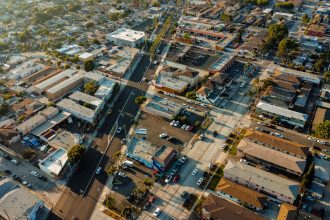
Bringing a dumpster to any Greater Los Angeles neighborhood is part logistics, part diplomacy. In Pasadena and Burbank the streets are wide but regulated; in Culver City and West Hollywood, curb space is a prized commodity; in Boyle Heights and Koreatown, alleys become the operating room. Ana learned this quickly. The driveway measurements, the angle of the sun, and the HOA’s admonition about noise after 7 pm all mattered more than she expected.
On delivery day, Malik’s truck rolled up, engine purring like a large animal. He hopped down in his reflective vest, boots sending up dust, and set about a ritual: plywood pads to protect Ana’s driveway, a brief chat with Mrs. Rivera, and a careful placement that would not block the city trash cans or the neighbor’s garage. ‘We place these so you can work, not so you ruin a car or a street sweeper’s schedule,’ Malik said, setting the chocks and pulling a hand truck from the side of the rig.
There were moments of tension. A City of Los Angeles parking enforcement officer drove by and made a note; the permit number had to be visible on the windshield. Ana worried about where the teenagers who skateboarded in the block would stash their gear while the dumpster sat there. Luis negotiated with the crew to leave a smaller path to the sidewalk for foot traffic. The crew laughed, complained about the Westside parking meters, and got to work.
Key Insights: What the Dumpster Reveals About Responsible Removal
Between the clanging of metal and the steady sound of hammers, conversations turned practical. Ana wanted to know why she couldn’t just toss everything into the dumpster. Luis explained, ‘It’s not just about size. You need to think about weight, materials, and city rules. A 20-yard dumpster holds a lot of drywall, but too much tile or concrete can put you over the limit.’ He pointed to the truck’s facing placard and sketched an invisible scale in the air.
In Greater Los Angeles, dumpster services usually offer several sizes: 10, 15, 20, 30, and 40 cubic yards are common. For a kitchen gut, a 15- or 20-yard container is often right; for a whole-house demo in Torrance or Long Beach, folks might need a 30-yard. Weight matters too. Many companies include a base weight allowance and charge per ton for extra. There’s also the matter of prohibited items. Paint, solvents, pesticides, fluorescent bulbs, tires, and appliances with refrigerants often need separate handling or special permits; many cities provide household hazardous waste drop-off sites that can accept these materials safely.
Luis also taught Ana about diversion. ‘Los Angeles has rules and incentives for recycling and reuse,’ he said. ‘You can save money if you separate concrete, green waste, and reusable cabinetry. Habitat for Humanity ReStore will take functional cabinets and fixtures. Goodwill and local charities sometimes pick up better-condition items. It cuts the landfill load and might even reduce disposal fees.’
There are also permits. If a dumpster sits on the street in front of a property in Los Angeles, Santa Monica, or Long Beach, it often requires a street-use permit from the local transportation or public works department. Rules vary by city. Some places demand special signage, reflective cones, or traffic control for the first day. A good dumpster company will help secure those permits or guide customers through the form-filling process, because parking enforcement notices and fines can turn a small renovation into a bureaucratic headache.
On-the-Ground Choices: Placement, Timing, and the Human Side
Placement and timing also affect neighborhood relations. In Hollywood, where production vans double-park and shoot permits rule, a dumpster can disrupt a day’s filming. In quieter suburbs like South Pasadena, a dumpster might feel like a trumpet announcing change. Ana found that telling her neighbors, leaving contact numbers, and scheduling the pickup for a day when the street was least busy kept tensions low.
There are tactile strategies too. Malik insisted on plywood pads under the dumpster to shield old asphalt from rust stains and gouges. He tightened the ramps to prevent chafing when the crew tossed in ceramic tiles. The crew wrapped a stack of reclaimed cabinets in moving blankets before they went in, promising Luis they’d take anything salvageable to the ReStore. That small act felt like stewardship — a choice to keep things useful rather than landfill-bound.
Rising to the Challenge: Unexpected Finds and Last-Minute Decisions
Halfway through the week, as the crew hauled out a century-old cast-iron sink, Ana discovered letters, yellowed and folded, wedged behind the kitchen wall. She read a 1952 grocery note aloud. ‘Dear Rosa, I left the sugar on the shelf. Meet me at the market.’ The discovery paused the work for twenty minutes. Neighbors gathered at the fence, sharing stories of the neighborhood when fruit stands dotted the corners of Echo Park and streetcars rattled along forgotten lines.
The crew, surrounded by the smell of sawdust and a sky turning a light Los Angeles blue, treated the letters like a holy relic. They placed them gently in a binder and promised to drive them to Ana’s sister in Highland Park. It was a reminder: demolition isn’t only destruction. It is archaeology of everyday life. With that human element in the mix, decisions about what to toss and what to save became personal.
Resolution: A Street Returned to Order
When the truck came back for pickup on Friday, the block looked different. The kitchen had a new outline, a promise of light and marble. The dumpster, now heavier and scratched with evidence of the week’s labor, sat ready for its final ride. Malik swung the controls with the practiced calm of someone who navigates tight streets and heavier loads. The hydraulics strained, the container rose, and the truck eased off the curb. Mrs. Rivera waved, satisfied that the curb had been left unblocked. Teenagers on skateboards had carved new lines on the street, but the path to the mailbox was clear.
Luis handed Ana a sheet with the final weight ticket and a list of receipts for donations. The crew took a picture — a ritual — of the empty driveway framed by jacaranda trees. Ana’s neighbor asked if there was anything left to salvage. ‘We already gave the sink a proper home,’ Ana said, smiling. ‘And these letters will go into my kitchen drawer.’
Takeaway: Practical Wisdom for Los Angeles Cleanup
From Ana’s experience emerge a handful of practical rules for anyone facing dumpster removal in the Greater Los Angeles area: plan for permits, choose the right size, separate for recycling and donation, protect surfaces, ask about weight limits and hidden fees, and communicate with neighbors. Work with a licensed hauler who knows local regulations in places like Santa Monica, Long Beach, Pasadena, and Burbank, and can guide you through street permits and transfer station rules. Consider donating usable items to local charities, and use municipal hazardous waste drop-off sites for paint and chemicals.
Above all, remember the human side. A metal box is more than a receptacle; it is a crossroads of community, memory, and change. When the bins disappear and the dust settles, what remains is not just a renovated kitchen but a story — of letters found, of neighbors who lent ladders, of a driver who put out cones on an early Tuesday while the sun was still low.
Final Image
As dusk fell over Los Angeles, the skyline softened into a watercolor of neon and smog, and Ana stood on her porch with a mug in her hands. The street was quiet except for a distant freeway hum and the soft clack of a neighbor’s gate. The dumpster was gone; the driveway bore only a faint ring of dust. The smell of sawdust lingered on the night air like the last note of a song. In that hush, the city felt like a living thing — always building, always shedding, and always remembering. Ana turned the key in the front door and carried the recovered letters inside, the paper crackling like a small spell. Outside, the jacarandas were beginning to bloom, and the block, for all its change, breathed easy again.