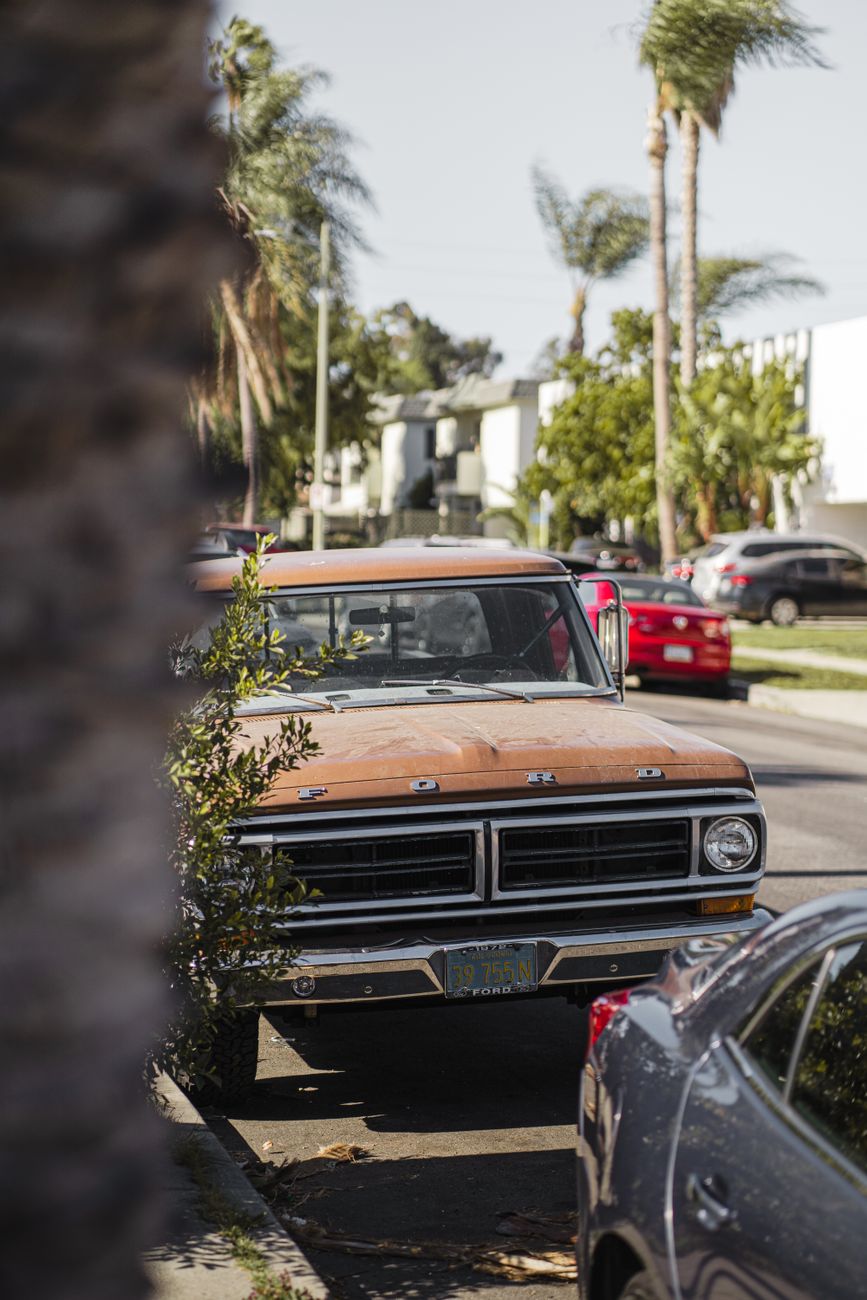
The first time I saw a dumpster change a neighborhood was at dawn on a narrow Silver Lake street, when a battered blue container sat beneath a row of palm trees like an unsung monument. Steam rose from a bag of coffee grounds. A young contractor, wiping sweat from his forehead, grinned and said, ‘Watch this — we’re making space for something better.’ That morning, the dumpster smelled of oil, old paint, and possibility, and by sunset a gutted bungalow had become a blank canvas for new life.
Setting the Scene: A City of Neighborhoods and Needs
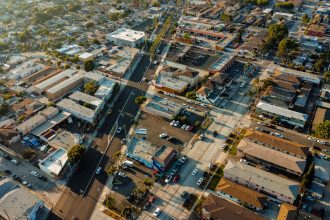
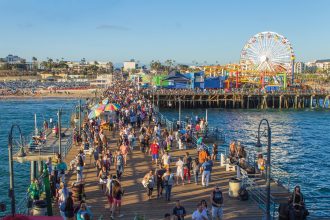
Greater Los Angeles is a collage of neighborhoods — from the wind-swept bluffs of Malibu to the neon hum of Hollywood, the salt air of Santa Monica, and the industrial stretches of Inglewood and Torrance. Each place has its own rhythm, and each rhythm creates waste. I learned that dumpsters are the unsung rhythm keepers, quietly orchestrating the cleanup after every remodel in West Hollywood, every community garden in Echo Park, every movie set strike in Burbank.
On any given morning, you might find a 20-yard roll-off outside a Craftsman in Pasadena, a compact 10-yard box snug in a Venice driveway, or a 30-yard leviathan parked in Long Beach for a commercial tear-out. The sizes, the permits, the crews — they change, but the story is the same: someone needs room to build, to breathe, or to start over.
Rising Action: House by House, Street by Street
My wake-up call came in the form of a phone call from Maria, who lived in a Spanish-style home in Culver City. Her voice was the kind that comes from a person who has stayed up too many nights staring at drywall dust.
‘We gutted the kitchen, but we have no idea what to do with all of this,’ she said. ‘I’m worried about blocking the street permit, about neighbors complaining, about the cost… and what do we even put in a dumpster?’
I rode out with her to meet Rico, a roll-off operator from South LA who smelled faintly of diesel and citrus. He arrived in a truck that looked like it had stories in every dent. ‘People think it’s just metal and plywood,’ Rico said, tapping the side of the truck. ‘But a proper removal? It’s logistics, timing, and a little diplomacy. We’re moving more than junk — we’re moving stress.’ He smiled, and the word stuck with me.
The first challenge was permit territory. Pasadena and Beverly Hills, for example, require visible permits for curbside dumpsters and have tight rules about how long a container can sit on a public street. In Santa Monica, beachside regulations add the wrinkle of aesthetic concerns and stricter waste sorting for recyclables. Los Angeles proper and many suburbs like Glendale and Burbank allow roll-offs but often require permits for on-street placement if the dumpster obstructs traffic or parking.
‘If you put a unit on the street in West Hollywood without a permit, you’re asking for a ticket,’ explained a city inspector I met outside a renovation in Hollywood Hills. ‘We’re protecting access for emergency vehicles and keeping the sidewalks safe for everyone.’
Key Insights Woven into Story
As Maria and Rico negotiated space in her small Culver City driveway, small lessons revealed themselves like notes in a chord. Dumpster size matters. A 10-yard dumpster fits in most driveways and is ideal for smaller cleanouts or bathroom remodels. A 20-yard is the workhorse for kitchen gut jobs and medium-sized roof tear-offs. A 30-yard suits large commercial projects or major home demolitions. ‘You don’t want to overpay for empty space,’ Rico advised, ‘and you don’t want to play Tetris the day of pickup.’
Sorting matters, too. When we opened the dumpster lid, the contents made a small, honest noise: tiles clattered, cardboard whispered, a damp mattress sighed. Different materials go to different places — concrete and masonry often head to recycling facilities, wood can sometimes be repurposed or taken to green waste processors, and hazardous materials like asbestos, solvents, and certain paints require specialized handling and cannot go in a standard roll-off. In Long Beach, the local transfer station refused a load that smelled of chemicals until it had a hazardous waste manifest.
‘People try to sneak that stuff in all the time,’ Rico said. ‘Old paint, aerosols, batteries — they’ll ruin a load.’ He told a story about a driver who had to turn away an entire truck full of mixed loads because of one sealed drum of unknown fluid. The fix? Call a licensed hazardous-waste hauler and keep receipts. It’s less glamorous, but far cheaper than fines and cleanup costs.
Cost is always a conversation. In my conversations across town — from Echo Park to Malibu — prices varied with size, duration, and locality. A short-term 10-yard in Inglewood might be cheaper than a 20-yard in Malibu because hauling and disposal costs differ. Weekend deliveries often bump the price. Ask about weight limits — roll-offs typically include a tonnage allowance and charge per additional ton.
Pacing and timing were another revelation. A contractor in Burbank told me, ‘Order early. Permits take time in some places. And if you’re on a film-production schedule in Hollywood, you need a drop window like a plane ticket.’ Coordination with neighbors matters too. One homeowner in Beverly Hills chalked a polite note and a phone number on their garbage box: ‘We’ll be parked here for three days. Thanks for understanding.’ Small courtesies grease the wheels of municipal life.
Turning Point: When a Dumpster Becomes Community
One Saturday, I followed a community cleanup in Venice where residents gathered around two dumpsters beneath the coastal fog. Volunteers lugged broken furniture, plastic bottles, and tangles of fishing line. The air smelled of brine and sawdust. A local artist named Joya said, ‘We used to have a regular problem with illegal dumping. Getting organized and scheduling dumpsters for a weekend made people care. Suddenly it’s not just waste — it’s pride.’
At that site, a team of teens from a nearby high school sorted recyclables with the precision of a practiced algorithm. One of them, Marcus, explained why they volunteered: ‘It’s loud in the world. This is how we make a quiet difference.’ The dumpsters were heavy with the day’s work, but spirits were lightened by hot coffee and shared sandwiches. Garbage, it turns out, has a way of bringing people together when handled right.
Practical Navigation: How to Plan Your Dumpster Removal
From these scenes emerges a practical roadmap: first, choose the right size by estimating cubic feet of material: small remodels lean toward 10- to 15-yard units, whole-house removals into 30-yard boxes. Second, check local regulations. Call your city — Los Angeles Bureau of Street Services, Santa Monica Public Works, or the Glendale Public Works Department — to find out about permits and curbside rules. Third, ask the hauler about what they accept and what needs special handling. Fourth, protect surfaces: use plywood to shield driveways and wrap sharp items to prevent hazards. Fifth, schedule pickup windows and avoid overfilling; overhang can mean refusal at the landfill and added fees.
Rico also emphasized transparency. ‘Get the quote in writing,’ he said. ‘Find out the disposal sites. Ask for manifests if you’re dealing with regulated materials.’ A clear paper trail keeps everyone honest and reduces the chance of surprise costs.
Resolution: One House, One Street, One City at a Time
By late afternoon in Culver City, Maria’s kitchen remains were gone. The dumpster, once a blue island of debris, sat two-thirds full. The crew had lined the driveway with plywood and had a small radio playing old salsa songs. Neighbors peeked over fences. An elderly man from next door brought lemonade. ‘Looks good,’ he said, and meant the street too — cleaner, quieter, a hint of renovation in the air.
We watched as Rico’s driver threaded the truck down the narrow street toward the 405. He stopped at an intersection and looked back, as if giving the old bungalow a nod. ‘It’s honest work,’ he said. ‘You get to see things repaired, rebuilt. Sometimes you haul away a bad memory.’ Maria touched the edge of the final plywood plank and smiled, her palms smelling faintly of sawdust and lemon cleaner. Later that night, I imagined the new cabinets being measured and the sound of a family in their refreshed kitchen. The dumpster had done its job: it cleared the way.
Takeaway: What to Remember and Do
In Greater Los Angeles, dumpsters are more than metal boxes — they are tools of renewal that require planning, local knowledge, and respect for rules and the community. When you face a cleanup or remodel in Los Angeles, Hollywood, Santa Monica, Beverly Hills, Pasadena, Long Beach, Culver City, West Hollywood, Burbank, Glendale, Torrance, Inglewood, Malibu, Venice, Silver Lake, or Echo Park, remember these steps: pick the right size, check permits, separate hazardous materials, protect property, and communicate with neighbors. Hire a reputable hauler who knows the neighborhoods and can guide you through local rules and disposal pathways.
Years from now the bungalow in Silver Lake will bear a fresh coat of paint. The Venice cleanup will be an annual ritual. Trucks will rumble through the city with their grating brakes, carrying the evidence of change. If you ever stand on a curb at dawn and watch a dumpster in the light, breathe in the mixture of coffee and sawdust and sea, you’ll understand: it’s not just trash leaving — it’s space opening up for the next story.
The last image I carry is simple: a sunset over the Santa Monica skyline, the silhouette of a roll-off truck against a sky turning lemon and lavender, a neighbor’s dog trotting past, and a doorway wide open where, hours before, there was only debris and doubt. The street smelled of possibility, and the city, in its vast messy way, felt ready for the next act.