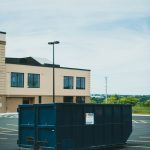
The first time Maria saw the steel box outside her Silver Lake bungalow, it looked like a strange guest—one that had arrived with permits folded into its pockets and the smell of sawdust in its hair. The dumpster sat stubbornly under a pepper tree, shadowed by string lights and the slow hum of neighborhood conversations. It was both promise and problem: a necessary beast for her kitchen remodel, and a potential headline in the neighborhood Facebook group.
Hook: A Comfortable Mess
“You’d be surprised what hides behind good tile,” Miguel, the contractor, said as he hauled the first pile of lath and shattered plaster into the green-painted compactor. His gloves left black streaks across the rim. The clatter of demolition filled the morning, and for a while the chaos felt alive—saw dust glittered in the sunlight, neighbors stopped to peer over fences, and a toddler on the corner chased a roll of packing paper like it was a toy. But the deeper they dug, the more complicated the cleanup became: old paint cans, a rusted propane tank, piles of broken concrete, and a forgotten trove of vintage bottles that still held the smell of something sweet and medicinal.
Setup: The Scene in Greater Los Angeles
This isn’t a unique story. From the sun-baked alleys of Echo Park to the beach-lined lanes of Santa Monica and the wide boulevards of Burbank, dumpster removal is an everyday drama in Greater Los Angeles. In Long Beach, crews clear out post-storm debris; in Pasadena, homeowners manage ornate remodels around historic mills; in Torrance, contractors wrestle with weighty piles of brick and asphalt. Each neighborhood brings its own rules, its own sensory palette: the ocean breeze in Venice mixing with the smell of cedar, the diesel rasp of a roll-off truck in Koreatown, the clack of a metal chain in Glendale at dawn.
Rising Action: When Rules Meet Reality
Two days into the job, an inspector from Los Angeles Sanitation drove up. He wore a navy jacket, a cap, and a look that suggested he had seen every kind of misuse imaginable. “Street placement needs a permit if it blocks a lane or the sidewalk,” he told Maria, peering into the dumpster like a detective. “And those paint cans? Hazardous waste. They can’t go to the transfer station in the dumpster.”
Maria felt the color drain from her cheeks. She had imagined the dumpster as a transient friend—here one week, gone the next. She hadn’t known about parking permits, weight limits, or the municipal fine that could make her renovation budget curdle. Miguel put a hand on her shoulder. “We’ll call the hauler. We’ll sort it out,” he said, but his voice showed the same tightness she felt.
Key Insights: Practical Lessons Woven Into the Story
As the week unfolded, the job became an education in dumpster logistics. Miguel taught Maria, and the story taught the neighborhood, a few lessons that apply across Greater Los Angeles:
- Dumpster sizes matter. A 10-yard container fits light debris from a small remodel; a 20 or 30-yard roll-off is better for full-house gut jobs or demolition. In Santa Monica’s narrow streets, a compact 10-yard might be the only practical choice; in Torrance or Long Beach, where driveways are deep, larger options are common.
- Permits and placement rules are strict. If a container sits on city property—curbs, lanes, sidewalks—you often need a special permit from the city. In Los Angeles, Culver City, and Burbank, failure to secure permits can result in fines or calls to tow the container away mid-project.
- Weight limits and material restrictions protect budgets. Concrete and soil weight-add quickly and can trigger overage fees. Some haulers include a weight cap; many charge by ton. Miguel pointed out a hatch of sludge at the dumpster’s bottom: “That’s heavy. Next time we separate masonry into its own bin or recycle it at a concrete recycling yard in Long Beach.”
- Hazardous items need special handling. Paint, solvents, fluorescent bulbs, batteries, and certain electronics can’t go in a general roll-off. Los Angeles County holds household hazardous waste drop-off events; Malibu and Pasadena residents sometimes coordinate special pickups for larger items.
- Green disposal options exist. Donatable items—furniture that can be repaired, doors, windows—find new homes at Habitat for Humanity ReStore locations or local salvage yards in Glendale and Burbank. Wood, metal, and cardboard can often be recycled, and some haulers advertise landfill diversion percentages.
Scene: The Little Discoveries
One afternoon a neighbor named Raj called out from the fence. “Look what I found tucked in the corner—an old enamel sign,” he said. He had that look of someone who’d unearthed treasure. Maria wiped her hands on her jeans and joined him at the dumpster rim. Among broken tiles and insulation was a stack of vintage postcards and an aluminum mailbox embossed with a name from another era. They washed the grime off and set them aside for a local antique dealer in Pasadena.
Worth and waste often sit side by side. Miguel sifted through the pile, and his eyes caught a bundle of copper wire—”Keep that separate,” he said. “We’ll get credit for scrap. Every dollar helps.” He loved the small transactions of salvage almost more than the glory of a finished kitchen: the clink of coins from recycled metal, the sigh of relief when hazardous items were boxed and scheduled for proper disposal.
Decision Points: Choosing the Right Hauler
Maria called three companies: a family-run firm in Westchester that promised same-day drop-off, a larger national carrier that had an app and glowing reviews, and a local green hauler in Culver City that specialized in recycling. Each gave different quotes, payment terms, and pickup windows. Price varied with size, distance to the transfer station, and anticipated weight. The green hauler suggested a smaller dumpster plus a separate bin for masonry to avoid overage fees. “Split the loads, keep the contaminants out, and you’ll save money and the planet,” he said with a grin.
She chose the local green company. They arrived in bright orange vests, respectful of her neighbors’ parked cars, and asked where they could place the container to minimize foot traffic disruption. They also took time to list prohibited items and scheduled a hazardous waste pickup for the old paint and chemicals.
Tension Unwinds: Neighborhood Dynamics
Not everyone was pleased. Someone posted a photo of the dumpster in the neighborhood group with the caption, “Is this allowed?” The thread gained traction. An elderly neighbor worried about smells; a condo owner complained about blocked street cleaning. Miguel organized a quick walk around, apologizing, explaining the permit, and promising the unit would be picked up when the permit expired. The tone shifted. People are more patient when they feel informed.
Resolution: When Order Returns
Weeks later, the dumpster was half-full. The trash had been triasorted: metals and wood set aside, mattresses bound for a recycling center in Burbank, paint and solvents boxed for hazardous pickup at a Los Angeles County facility. The final day arrived with a sky the color of a new envelope. The truck’s hydraulics hissed. Miguel nodded at Maria. “Ready?” he asked.
They rode the last load into the waiting maw of the roll-off truck. The crane lifted with a metallic groan that sounded final and oddly ceremonial. As the dumpster swung away, sunlight caught a leftover postcard at the corner like a secret wink. The street felt wider; the pepper tree breathed out a dusting of blossoms over the pavement. Maria and Miguel shared a look—a small, exhausted triumph of logistics and luck. Across the street, Raj waved the enamel sign as if celebrating a tiny parade.
Takeaway: What to Remember and Do
From Silver Lake to Santa Monica, from Long Beach to Pasadena, the story repeats: demolition, discovery, decisions, and disposal. If you’re planning a remodel or clearing out an estate, remember the lessons Maria learned the messy way:
- Plan your dumpster size according to your project. Consult your contractor and err on the side of slightly larger for renovations that produce masonry or metal waste.
- Check local rules. Street placement often requires permits in Los Angeles, Culver City, Glendale, and Burbank. Avoid fines and neighbor friction by getting permits early.
- Sort on site. Separate metals, masonry, wood, and hazardous items to save on weight fees and to increase recycling rates.
- Ask about hauling routes and transfer stations. Some haulers can route materials to recycling centers in Long Beach, transfer stations in Inglewood, or specialized processors in the San Fernando Valley.
- Donate when possible. Reusable fixtures and furniture can be diverted to ReStores or local salvage yards, reducing landfill load and helping neighbors in need.
- Choose a reputable hauler. Look for clear pricing, local knowledge of city rules, and proof of proper disposal practices or recycling credentials.
When the last nail was hammered and the final tile sealed, Maria stood on her revamped kitchen landing and watched the sunset wash the hills of Los Feliz and Hollywood with gold. The day the dumpster left, the street hummed back to its ordinary rhythm, but the memory of the week’s small dramas lingered like the scent of sawdust on a winter sweater—a reminder that even necessary things can be handled with care, thought, and a little neighborhood kindness.
As the sky dimmed and the last truck rolled away, the pepper tree dropped one more blossom onto the clean sidewalk—a white star against the asphalt—and Maria felt something close to relief. The house smelled like new paint and lemon oil. The postcards were framed in a corner, the enamel sign leaned by the gate, and the dumpster, that bulky, honest guest, had become part of a story that the neighborhood would tell for years: how a renovation nearly unraveled in the middle of a sunny Los Angeles morning, and how it was steadied by permits, persistence, and the careful hands of people who knew what belonged in a bin—and what did not.